
Norway’s Northern Lights turns CCS into reality
Published 15 Mar 2023 (updated 30 Sep 2026) · 4 min read
When Northern Lights was first conceived as part of Longship – Norway’s full‑scale carbon capture and storage (CCS) initiative – it represented a bold commitment to Europe’s climate future.
That future is now here.
The world’s first open‑access CO₂ transport and storage network is fully operational,
moving emissions from industrial sites in Europe to permanent geological storage beneath the North Sea.
The shift from vision to functioning infrastructure marks a historic turning point: Europe finally has a commercial CCS value chain.
As former project director Sverre Overå explained back in 2021: “We’re talking about building an entirely new ecosystem with industrial actors who are not used to working together. We have to create a market at the same time as we develop our business model.”
Today, that market is real – and growing.
Editor’s note: Sverre Overå left his position at Northern Lights in 2024 and is now retired.
Operational and ready to scale
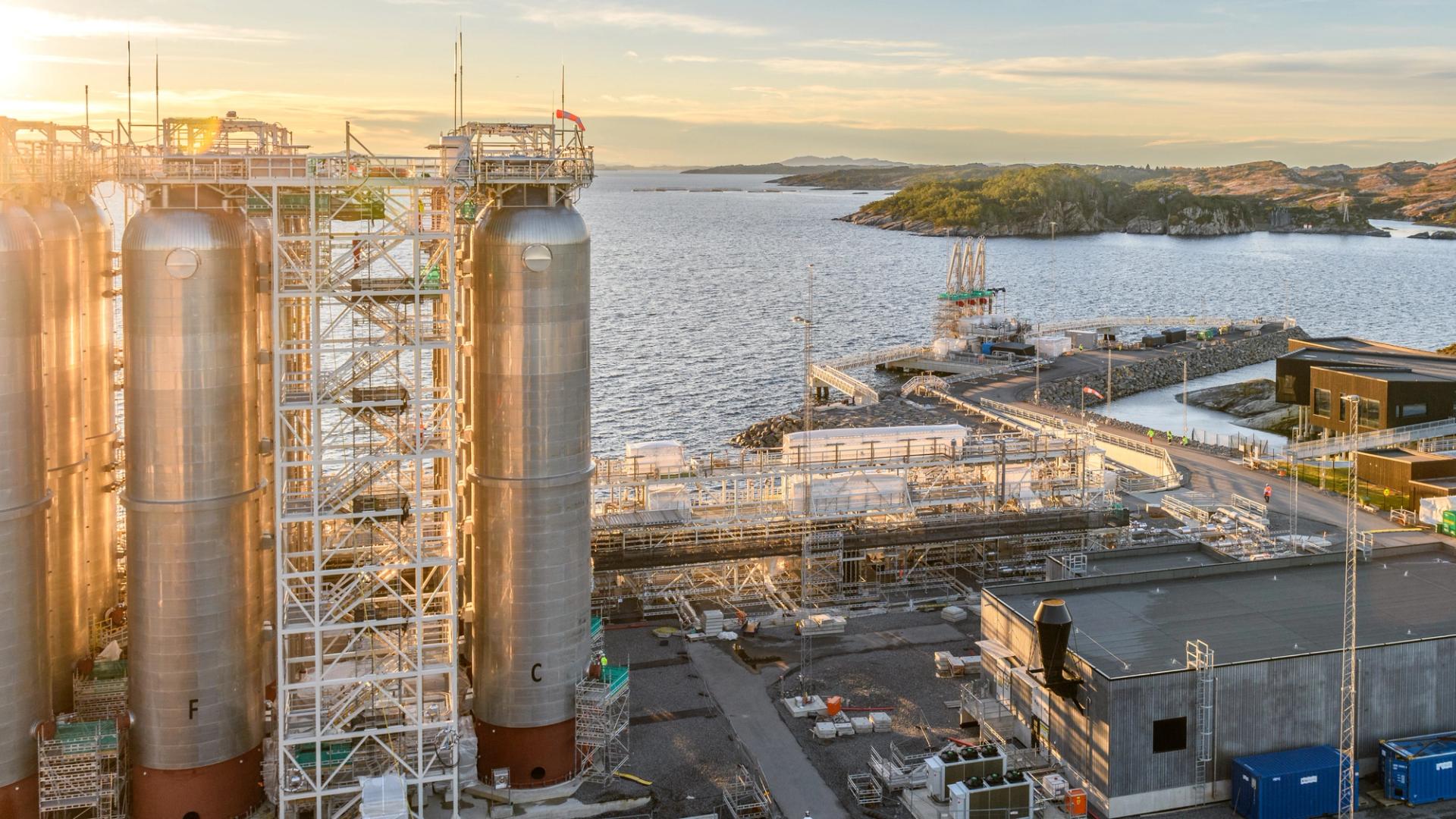
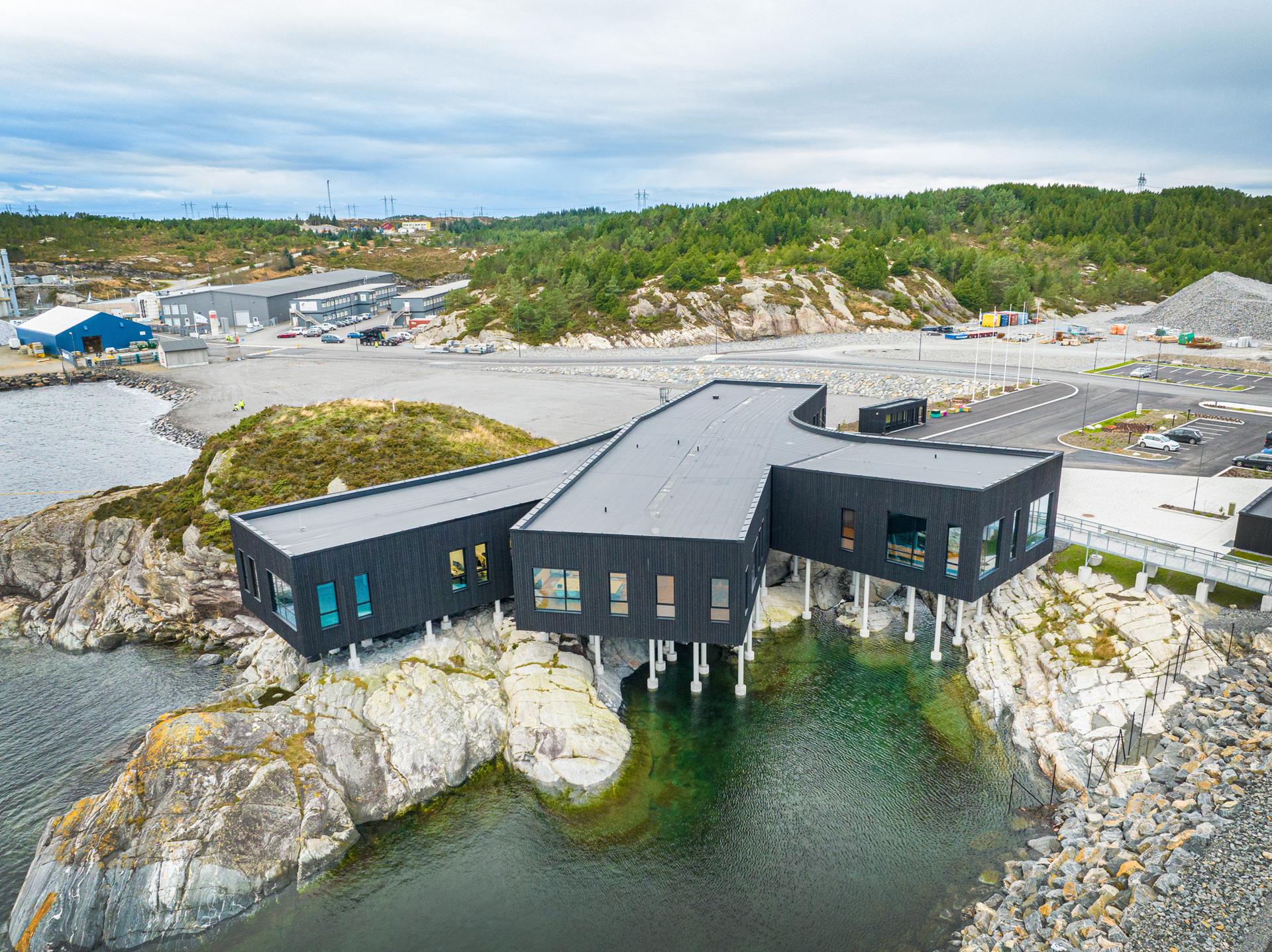
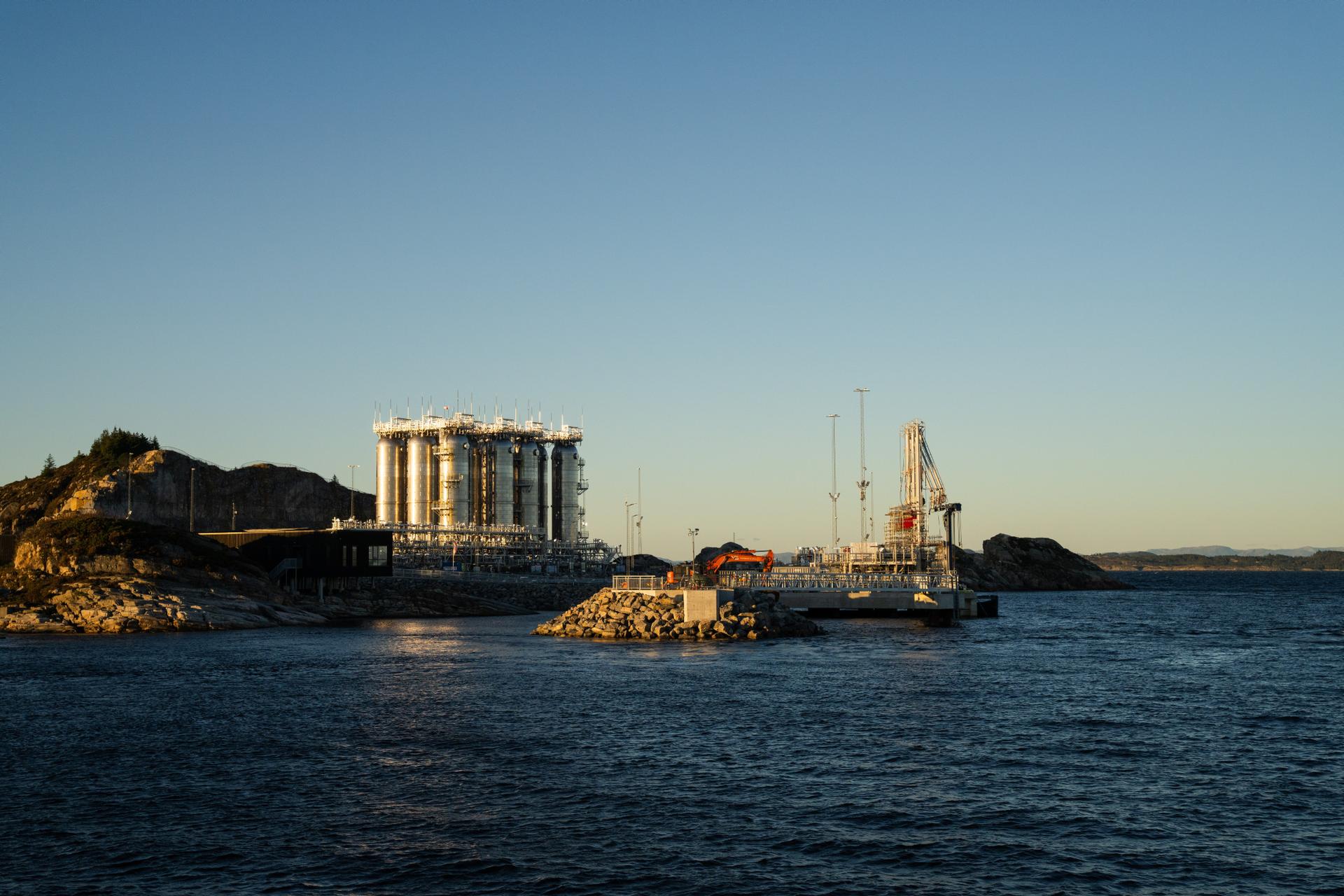
Initially developed by Equinor, Shell and TotalEnergies, Northern Lights is now operated by the joint venture Northern Lights JV. The system went live in 2025, when the first CO₂ volumes were successfully injected and stored. Ships, the onshore terminal at Øygarden, pipelines and offshore wells now function as a seamless logistics chain transporting and storing CO₂ from Norwegian industrial sources, with Denmark and the Netherlands added from 2026.
What began as a demonstration project is now a fully operational service designed for industrial customers across Europe. Norway’s strategy remains unchanged: build the infrastructure early, then expand it as demand increases.A new phase: Northern Lights goes live
A scalable CCS system for Europe
Northern Lights transports liquefied CO₂ by tanker ship from emission sources to Øygarden on Norway’s west coast. From there, it is conditioned and piped offshore to secure storage around 2 600 metres beneath the seabed.
As Overå described: “The solution is flexible enough to receive CO₂ from capture sites all over Europe.”
Northern Lights is designed for expansion. Phase 1 has a capacity of 1.5 million metric tons per year, and this is already fully subscribed. In 2025, the Norwegian Government approved the development plan for Phase 2, increasing capacity to at least 5 million metric tons annually by 2028.
This expansion moves CCS from ambition to guaranteed infrastructure – a critical step for European decarbonisation. In practical terms, Europe now has somewhere to put the CO₂ it captures – and Norway has built it.
A growing customer base
The first commercial contract came in 2023, when the Danish energy company Ørsted signed an agreement for the transport and storage of 430 000 metric tons of biogenic CO₂ annually. This was soon followed by a contract with Yara to store 800 000 metric tons each year from its ammonia and fertiliser plant in Sluiskil in the Netherlands.
Another milestone was the agreement with Stockholm Exergi, covering up to 900 000 metric tons of biogenic CO₂ annually. This contract has played a key role in enabling the Phase 2 expansion.
Today, Northern Lights is a commercial operator with long‑term commitments from European industry. Its customer base demonstrates that CCS is not theoretical – it is actively being deployed at scale.
A cornerstone of Europe’s climate strategy
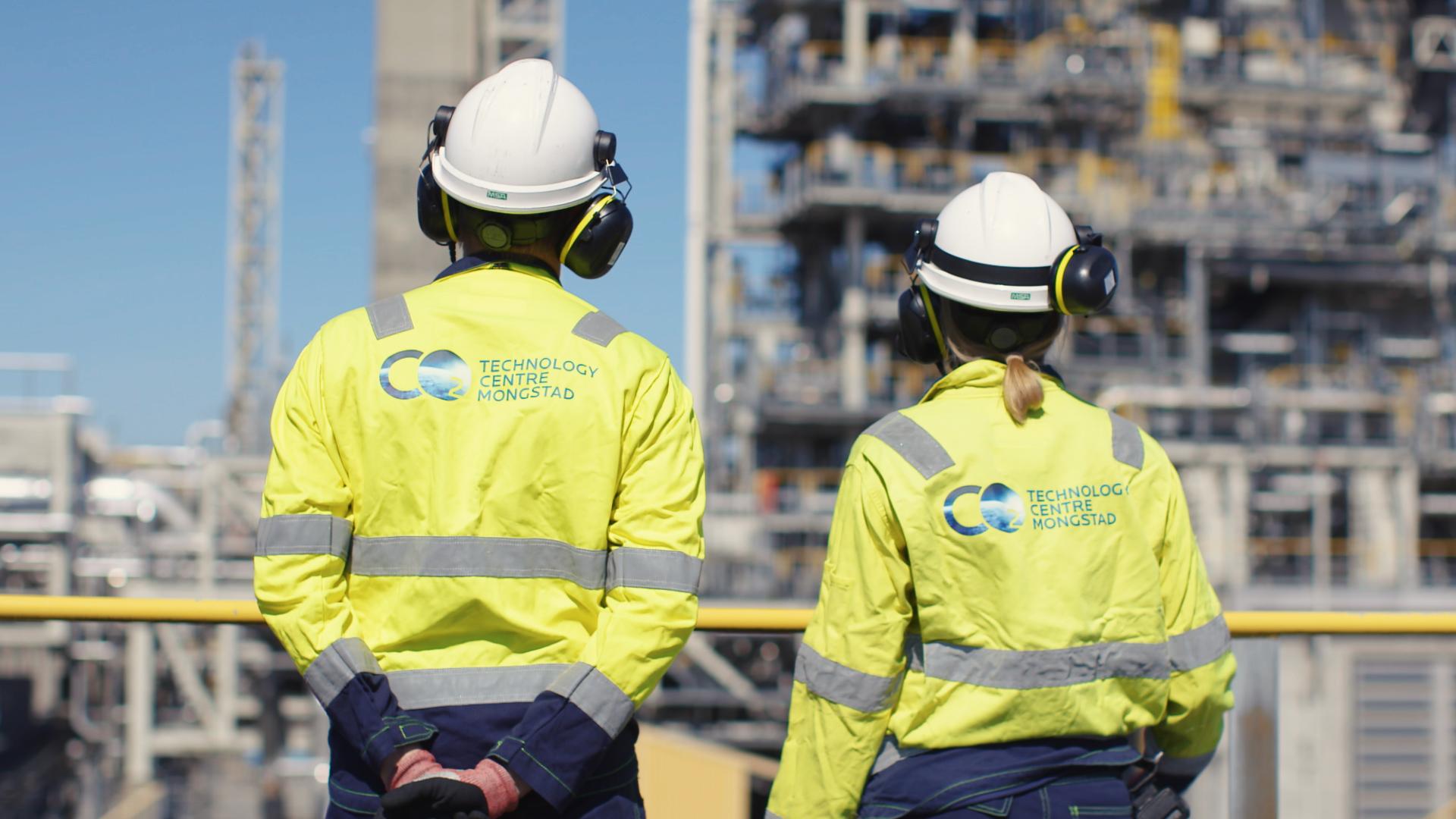
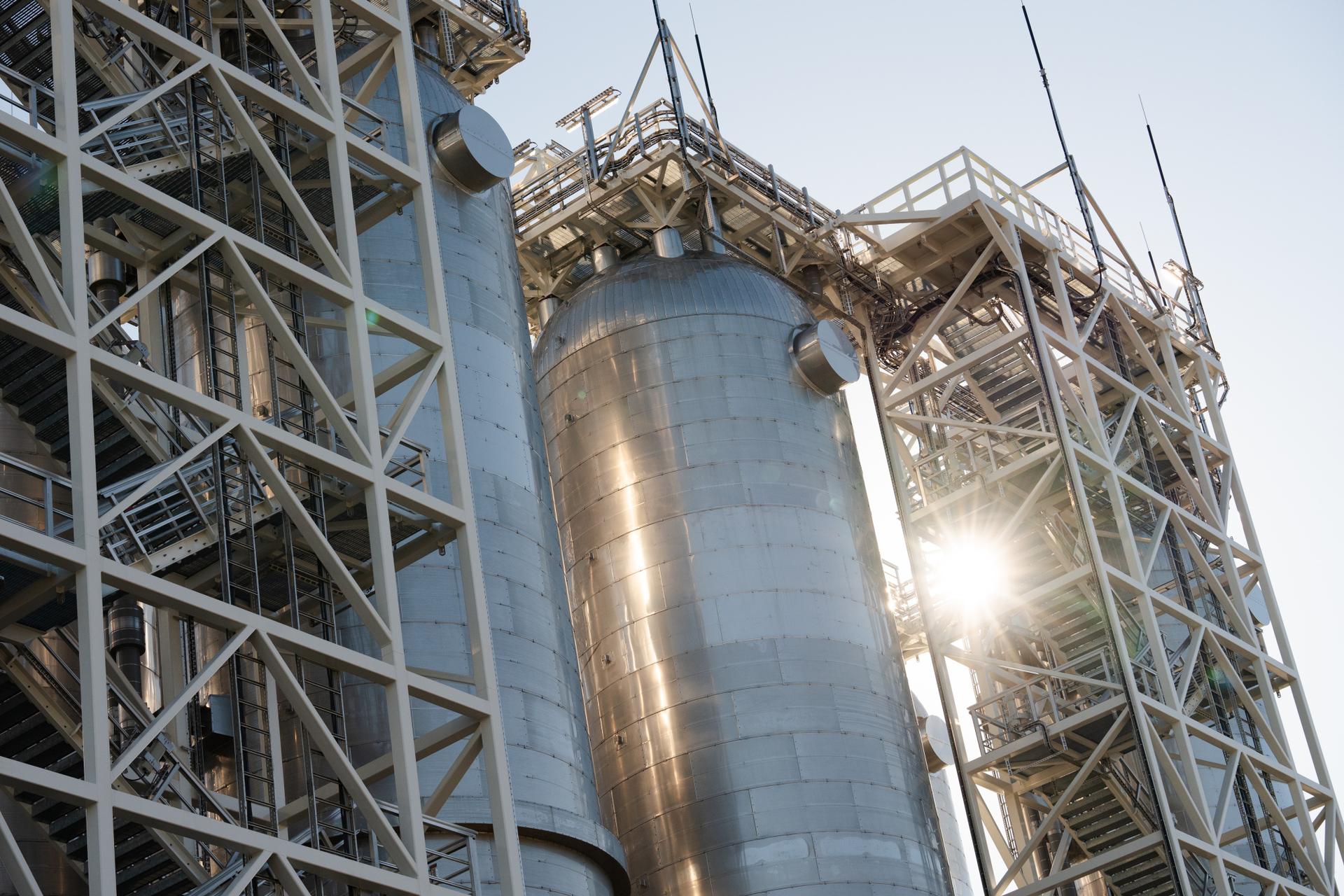
CCS remains essential for emissions that cannot be fully eliminated, such as cement production, steel manufacturing and waste incineration. Norway recognised this early on, investing in a complete CCS value chain under the Longship project – including carbon capture facilities at Heidelberg Materials’ cement plant in Brevik, operational since 2025, and Hafslund Celsio’s waste-to-energy plant in Oslo, which is under construction.
As Overå highlighted: “Carbon capture is not an alternative to electrification and the transition to renewable energy sources, but rather a tool to remove emissions from sectors that are very difficult to decarbonise.”
With the full chain now operational, companies across Europe have access to a dependable storage solution – a precondition for wider adoption of CCS across the continent.
A trusted partner in decarbonisation
Northern Lights’ progress strengthens Norway’s position as a partner for companies seeking reliable climate solutions. Built on the country’s offshore, maritime and industrial expertise, the system is designed to expand as demand grows: more ships, more wells and more storage capacity can be added over time.
The EU’s climate ambitions depend on removing millions of metric tons of unavoidable CO₂. Norway’s infrastructure gives Europe the ability to act today rather than wait for future technologies.
Norway has laid the foundation. Europe can now scale it.
Norway delivers CCS solutions that are north of the ordinary
Longship and Northern Lights demonstrate that Norway offers more than ambition – it provides proven, operational and scalable CCS solutions that enable industries across Europe to decarbonise. Explore these solutions and take direct contact with the companies.