Longship: Norway’s pioneering CCS project sets a new course for Europe
Published 17 Mar 2023 (updated 30 Sep 2026) · 3 min read
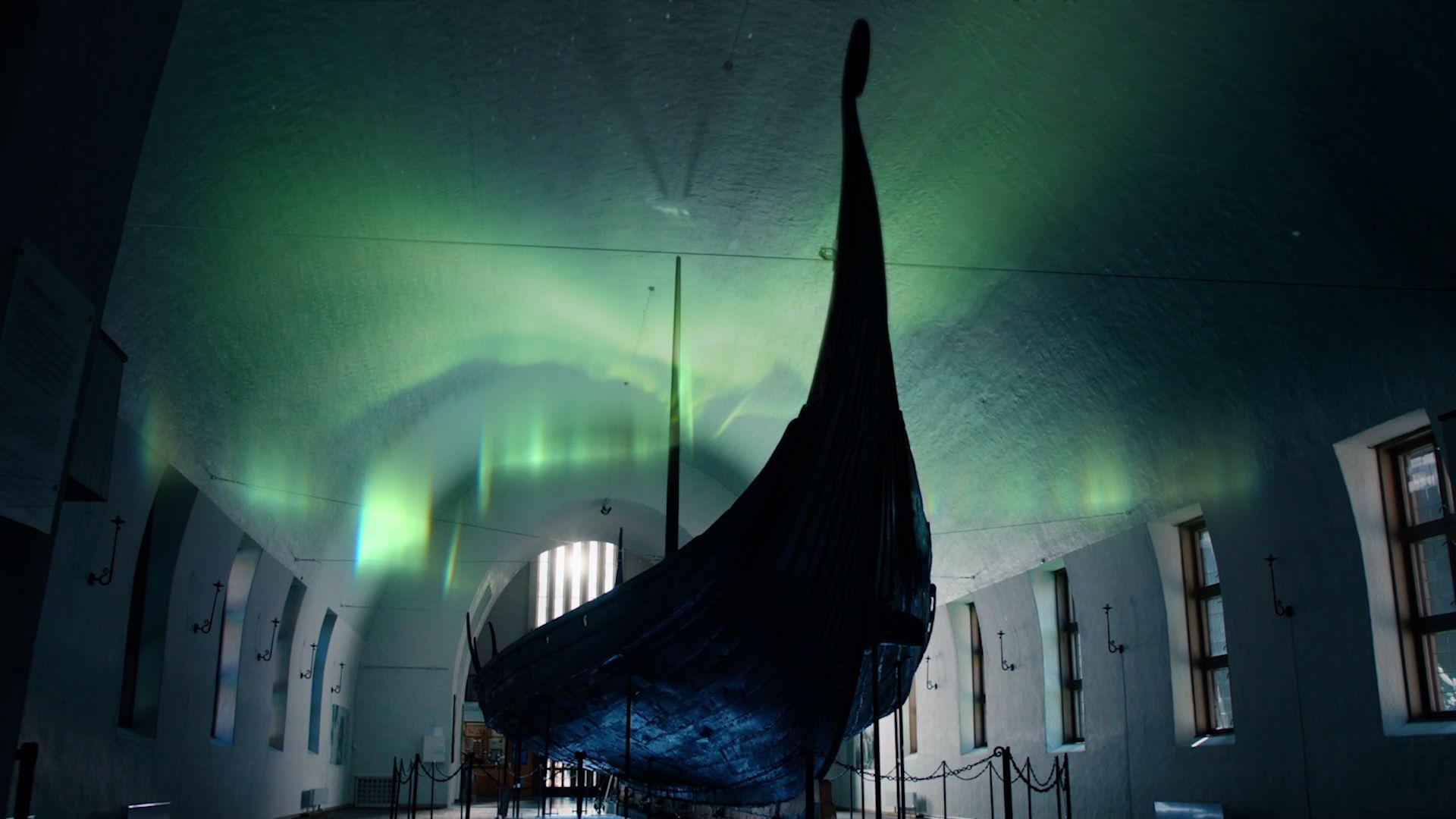
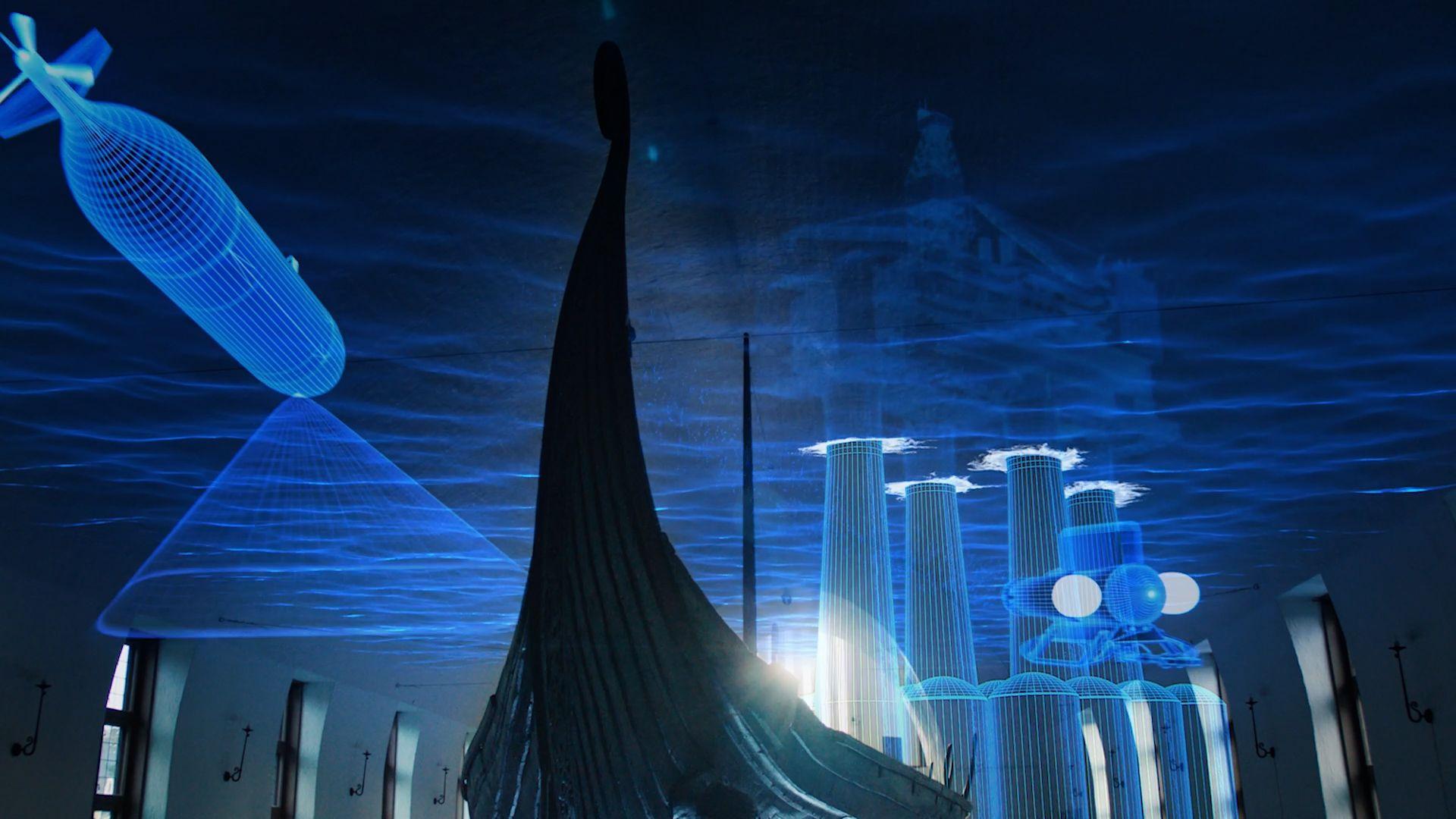
Norway has always looked outward – first with wooden longships that carried Vikings across open seas, and today with solutions designed to tackle pressing global challenges.
Longship, the country’s flagship carbon capture and storage initiative, represents a bold and tangible step towards a low‑carbon future.
“Longship is helping to solve one of the greatest challenges of our time: climate change. This is a crucial first step. We now need to ensure that infrastructure can be developed at an even bigger scale.”
Morten Henriksen
former CEO of Gassnova
Morten Henriksen’s words reflect the ambition driving this effort: to build infrastructure that supports deep emissions reductions across Europe.
Editor’s note: Mr Henriksen has stepped down from his position at Gassnova and will assume the position of CEO of Nortura in March 2026.
Building Europe’s first complete CCS value chain
Longship is creating Europe’s first end‑to‑end value chain for carbon capture and storage (CCS), covering CO₂ capture, transport and permanent offshore storage. This coordinated system demonstrates how industrial emissions can be managed on a scale that makes a measurable impact.
Brevik CCS: Delivering industrial decarbonisation in practice
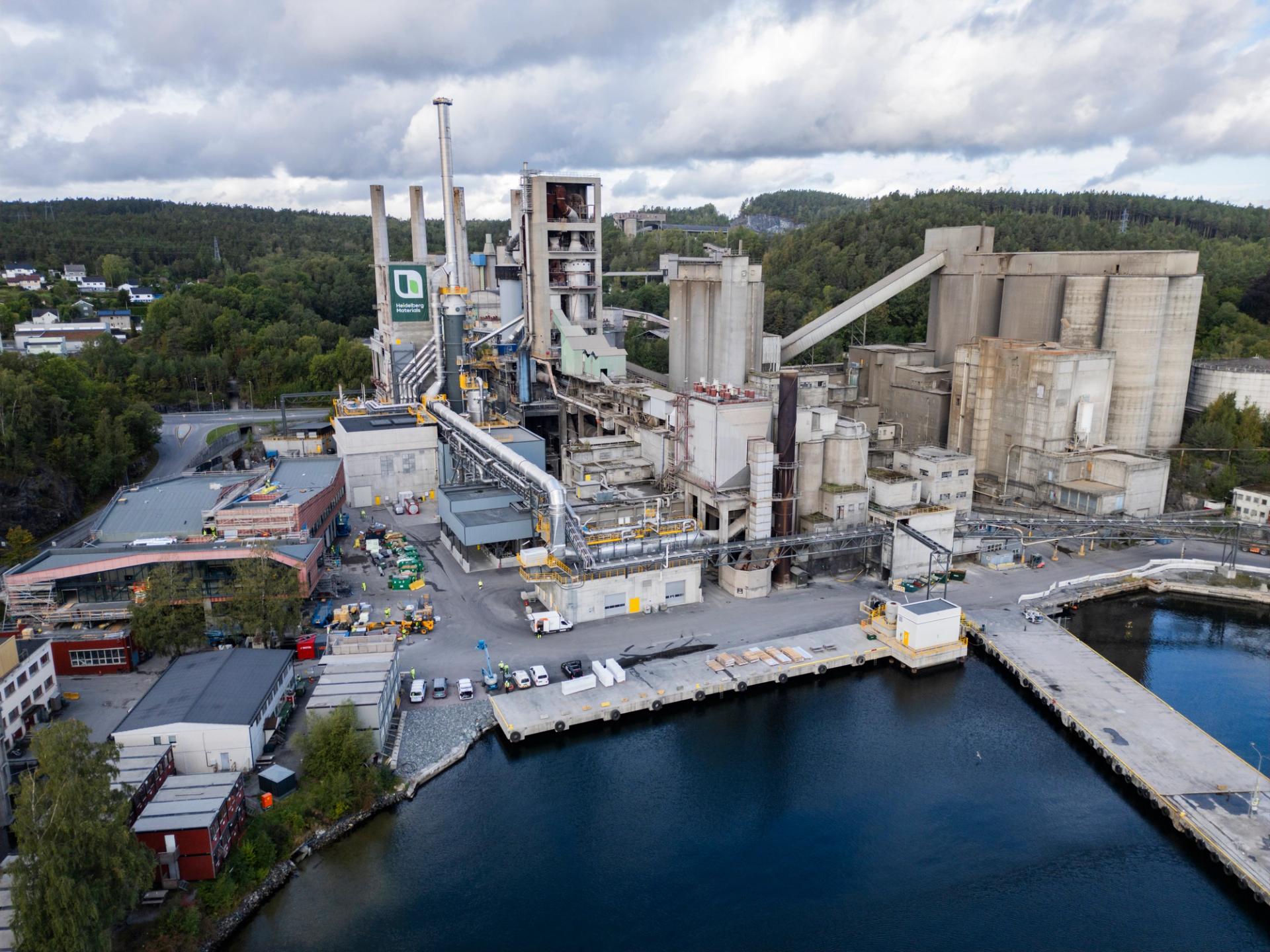
As part of the Longship project, a capture facility was constructed at Heidelberg Materials’ cement plant in Brevik on the southeastern coast of Norway, with a capacity of some 400 000 metric tons of CO₂ annually. The facility was inaugurated in June 2025 and the first CO₂ was captured, liquefied and transported to the Northern Lights facility in Øygarden on the western coast of Norway that same month. The liquefied CO₂ was then injected and successfully stored in the reservoir in August 2025.
Hafslund Celsio Oslo: Resuming progress towards lower emissions
The CCS project at the Klemetsrud waste‑to‑energy plant in Oslo – led by Hafslund Celsio Oslo – was previously paused for cost‑optimisation, but development has since resumed. The plant is expected to capture approximately 350 000 metric tons of CO₂ a year once operational.
Together, these projects show how Norwegian industry, government and research communities collaborate to drive scalable climate solutions.
Northern Lights: Europe’s open and cross‑border CO₂ storage network
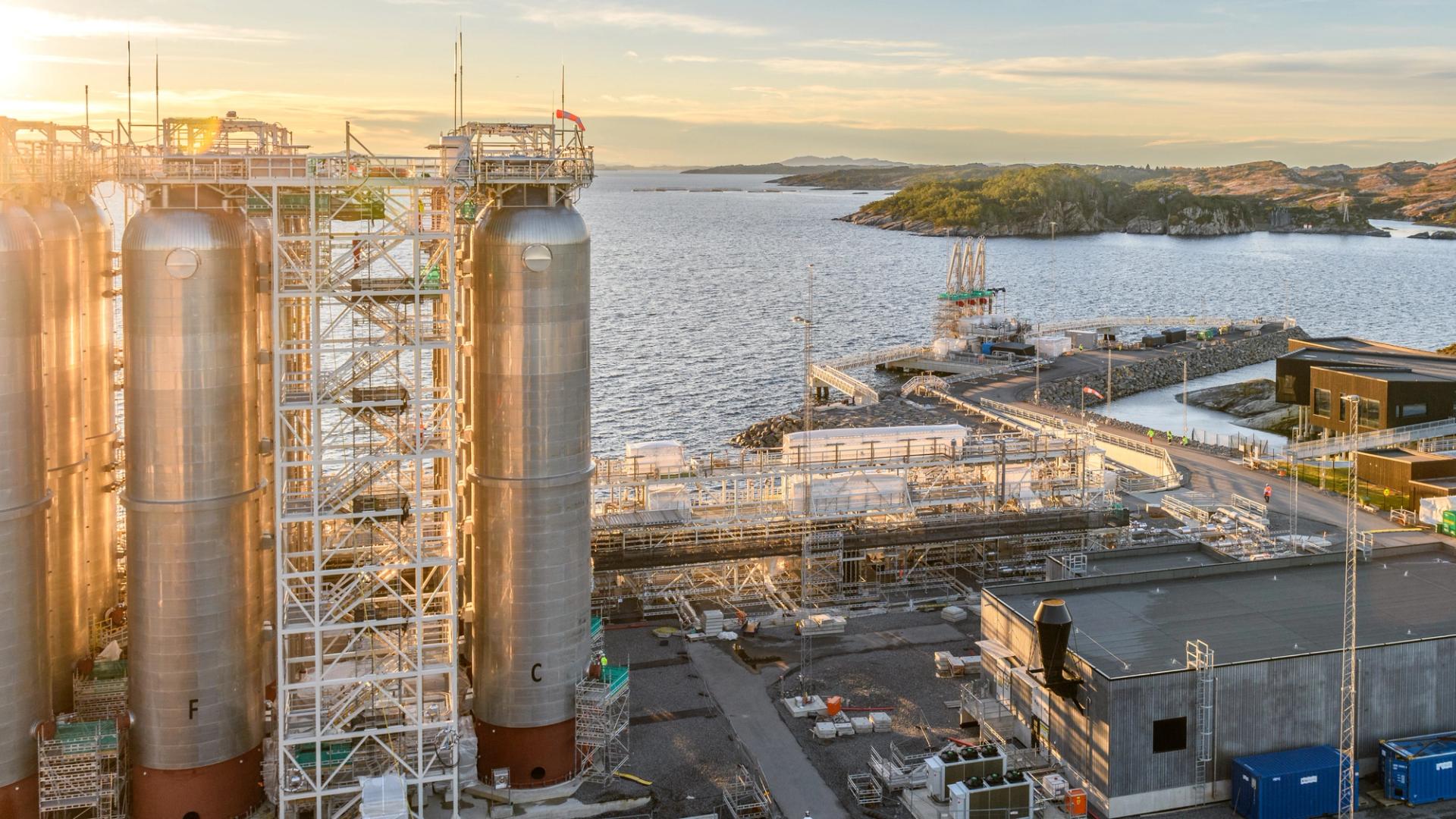
Capturing CO₂ is only the beginning. First, it must be condensed into liquid form and temporarily stored. Then it must transported for secure, permanent storage. The latter is the role of Northern Lights, the transport and storage component of Longship – and a project that sets a new global standard.
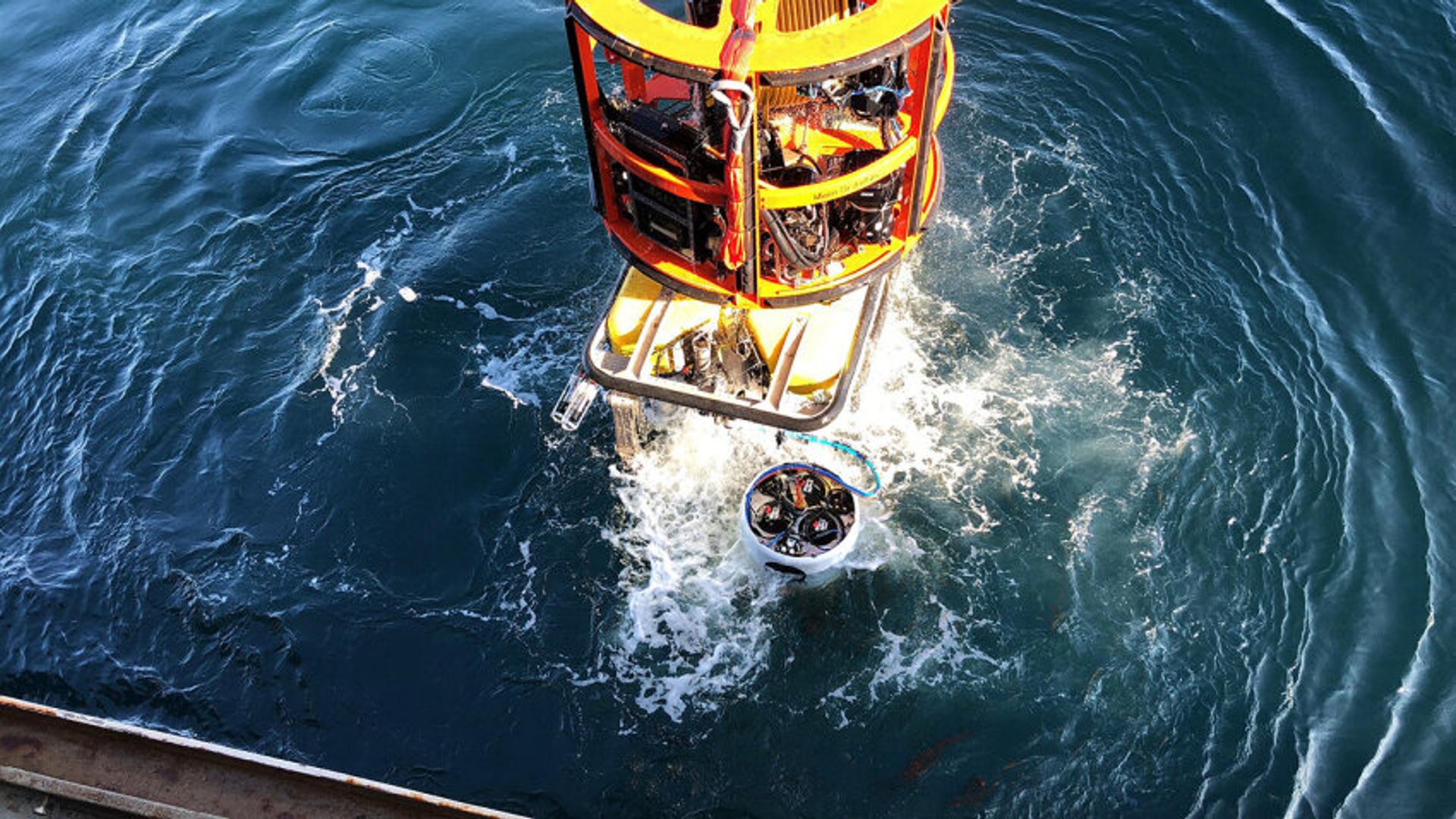
Initially developed by Equinor, Shell and TotalEnergies, Northern Lights is now operated by the joint venture Northern Lights JV. It provides an open, cross‑border CO₂ transport and storage service accessible to European emitters. CO₂ is shipped to a terminal at Øygarden, then piped offshore and injected around 2 600 metres beneath the seabed.
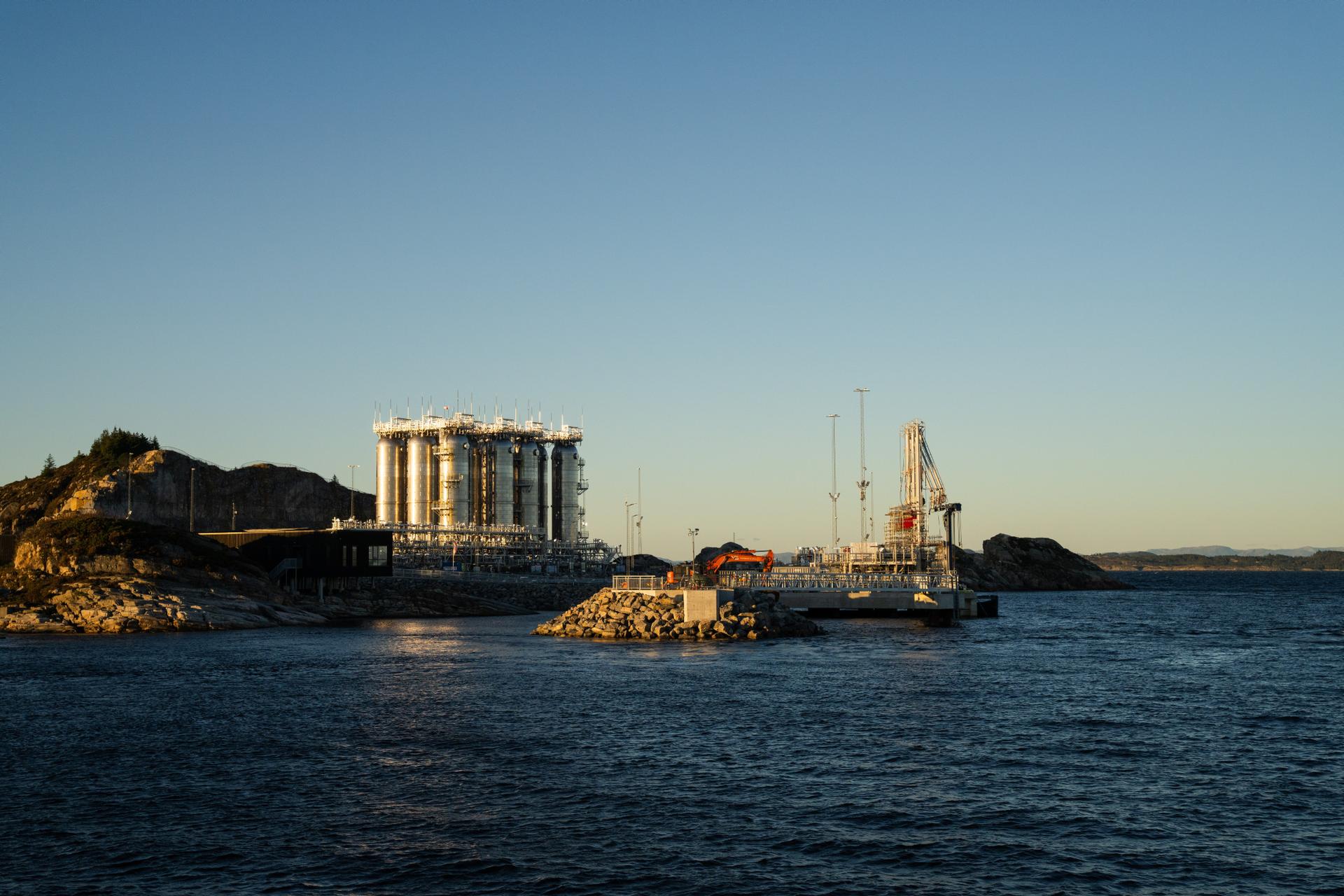
Northern Lights became operational in 2025, with a storage capacity of 1.5 million metric tons a year. The Norwegian Government has approved the development plan for Northern Lights Phase 2, which will increase capacity to at least 5 million metric tons a year. The EU has recognised Northern Lights as a “Project of Common Interest,” enabling EUR 131 million in funding from the Connecting Europe Facility (CEF).
The expansion will build on existing onshore and offshore infrastructure and includes additional onshore storage tanks, a new jetty and additional injection wells. This development phase is expected to be completed and ready for operation in the second half of 2028.
These achievements confirm Northern Lights as a cornerstone of Europe’s emerging CCS ecosystem – and make Longship a key component of Europe’s climate strategy.
A technological journey built on Norwegian collaboration
Norway is an early mover in CCS. A unique long-term collaboration between the Norwegian Government, government agencies, R&D institutions, academia and industrial partnersforms the backbone of Longship’s success. Since 2005, Gassnova has supported technology development and cost reduction across the full CCS chain, helping to bridge the gap between pilot projects and industrial deployment .
The full‑scale CCS initiative is the result of a partnership model that is characteristically Norwegian: visionary, collaborative, practical and focused on delivering solutions that work.
Norway delivers CCS solutions that are north of the ordinary
Longship and Northern Lights demonstrate that Norway offers more than ambition – it provides proven, operational and scalable CCS solutions that enable industries across Europe to decarbonise. Explore these solutions and take direct contact with the companies.