Norway’s METCentre is testing the future of floating offshore wind
Published 18 Oct 2022 (updated 30 Sep 2026) · 4 min read
Floating offshore wind is not just about turbines and foundations, it’s about creating a complete offshore ecosystem where safety, sustainability and efficiency are integrated from the outset.
At the Marine Energy Test Centre (METCentre) in Karmøy that ecosystem is already taking shape. Companies from across Europe and beyond come here to test next-generation offshore wind solutions in real North Sea conditions.
Scaling up floating wind and bringing down costs
Offshore wind is set to become a key component of tomorrow’s energy mix – in Europe and around the world. The European Commission has set new targets for an installed capacity of at least 60 GW of offshore wind by 2030 and 300 GW by 2050. EU countries have agreed to these revised targets, most recently in December 2024.
Meeting these ambitions will require offshore wind structures and solutions that reduce the levelised cost of energy and make offshore wind scalable. Floating offshore wind (FOW) has a central role to play, especially in harvesting the excellent wind resources in deep waters far from shore where bottom-fixed turbines are not viable.
At the same time, offshore wind farms must coexist safely with marine ecosystems and industries such as shipping and fisheries.
Norway offers a proven testing ground in real conditions
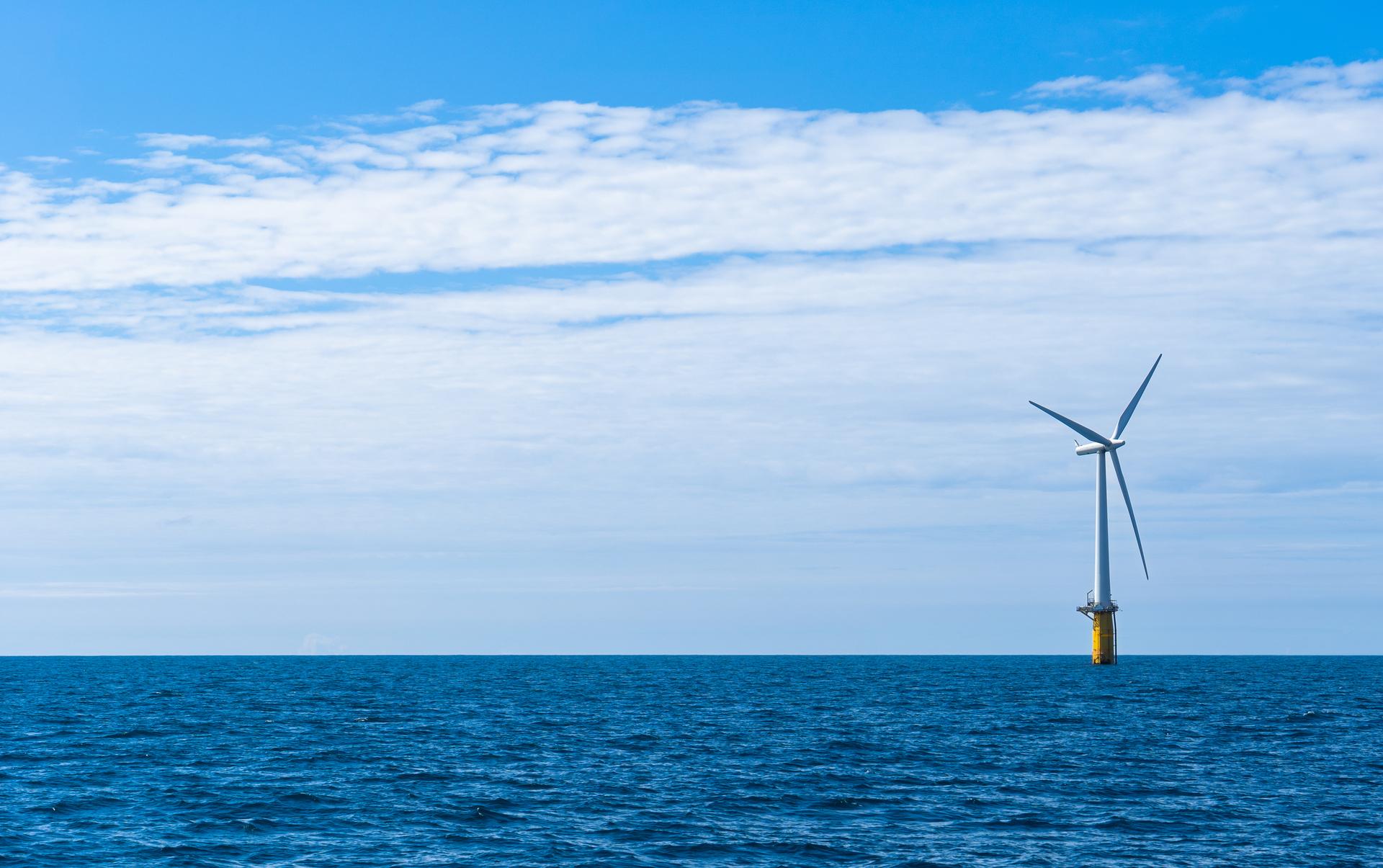
Located some 10 km off the coast of Karmøy, METCentre offers full‑scale testing infrastructure for floating offshore wind structures in harsh North Sea conditions. With strong and stable winds, a flat seabed and close proximity to ports, shipyards and deepwater quays, the testing site allows developers to move from design to real‑world validation faster and with fewer barriers.
Although floating offshore wind is a relatively new field, METCentre already has a proud history. Equinor installed the world’s very first floating wind turbine, Hywind Demo (now Unitech Zephyros-One), here, back in 2009. That was an important first step towards the opening of the world’s first floating wind farm, Hywind Scotland, in 2017.
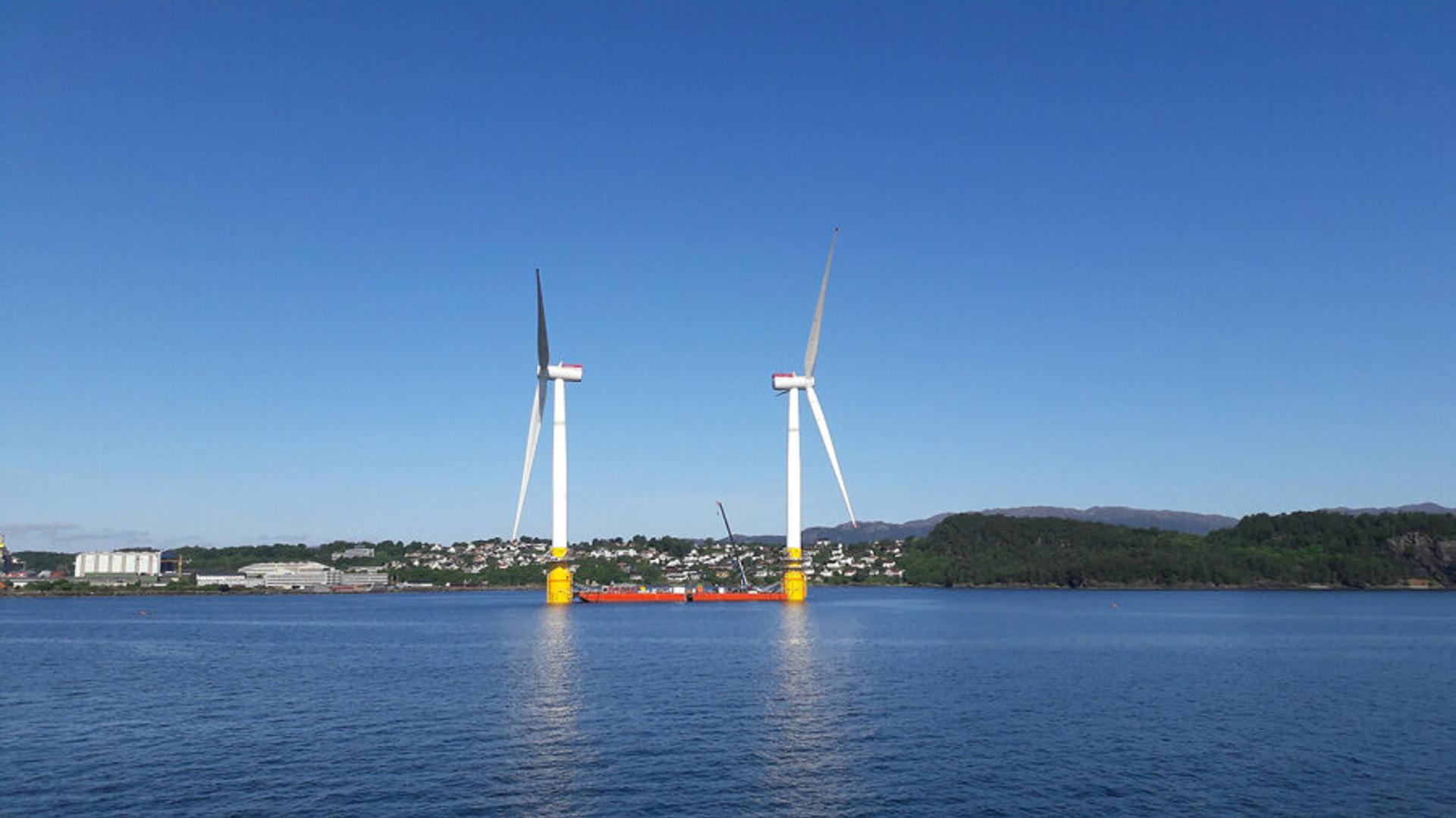
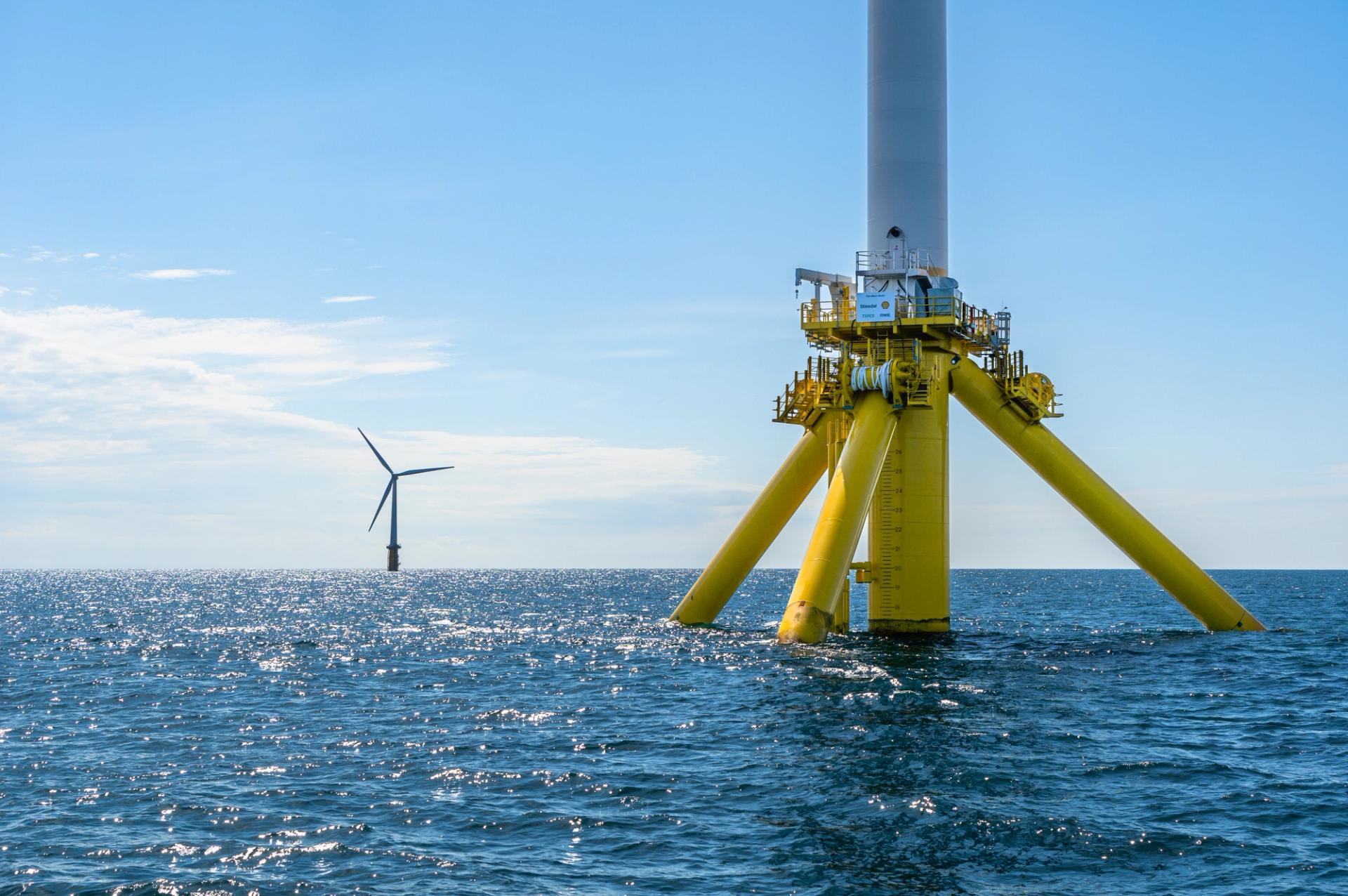
More recently, the TetraSpar Demonstrator has played a key role in validating cost-efficient floating structures. Installed in 2021, the turbine has produced almost 70 million kWh with strong operational performance.
“We chose to do our testing at METCentre because they smooth out red tape and provide valuable support vis‑à‑vis the authorities and other stakeholders. There are far fewer bureaucratic challenges here than other places,” says Henrik Stiesdal, founder and CTO of Stiesdal Offshore, one of the companies behind the TetraSpar Demonstrator.
“The quality of the centre’s activities is exceptionally high, and they are also very customer‑oriented,” Stiesdal says. “The centre has helped us in many ways, first and foremost with the authorities, but also by facilitating contact with relevant local players and suppliers.”
From pioneering demonstrators to tomorrow’s FOW turbines
The upcoming decommissioning of the TetraSpar Demonstrator in summer 2026 provides a unique opportunity to analyse the structure after years of operation and gain insights into durability, maintenance and design optimisation.
Moreover, a new agreement will allow the existing 22 kV inter-array cable used by the demonstrator to remain at the site, making it available for future demonstration projects. With this solution in place, METCentre is ready for the connection of the next floating wind project while reducing both costs and environmental impact through the reuse of existing infrastructure.
“A big thank you to Unitech Offshore, TetraSpar Demonstrator and Stiesdal Offshore for the constructive collaboration that made this possible. We are now one step closer to welcoming the next floating wind project to METCentre.”
Cecilia Girard-Vika
Director of METCentre
And METCentre is ready for the next phase. Following approval from the Norwegian authorities in late 2023, the centre’s concession has been expanded to allow up to seven floating units with a total capacity of 85 MW. This enables testing of turbines in the 15 MW class and beyond, at scales directly relevant to future commercial wind farms.
New full‑scale projects include Aikido Technologies, which is planning deployment of its AO60 floating turbine from 2027, and Odfjell Oceanwind’s SCALEWIND project, which will be testing a 15+ MW turbine on the Deepsea Star foundation from 2028.
A living laboratory for offshore wind innovation
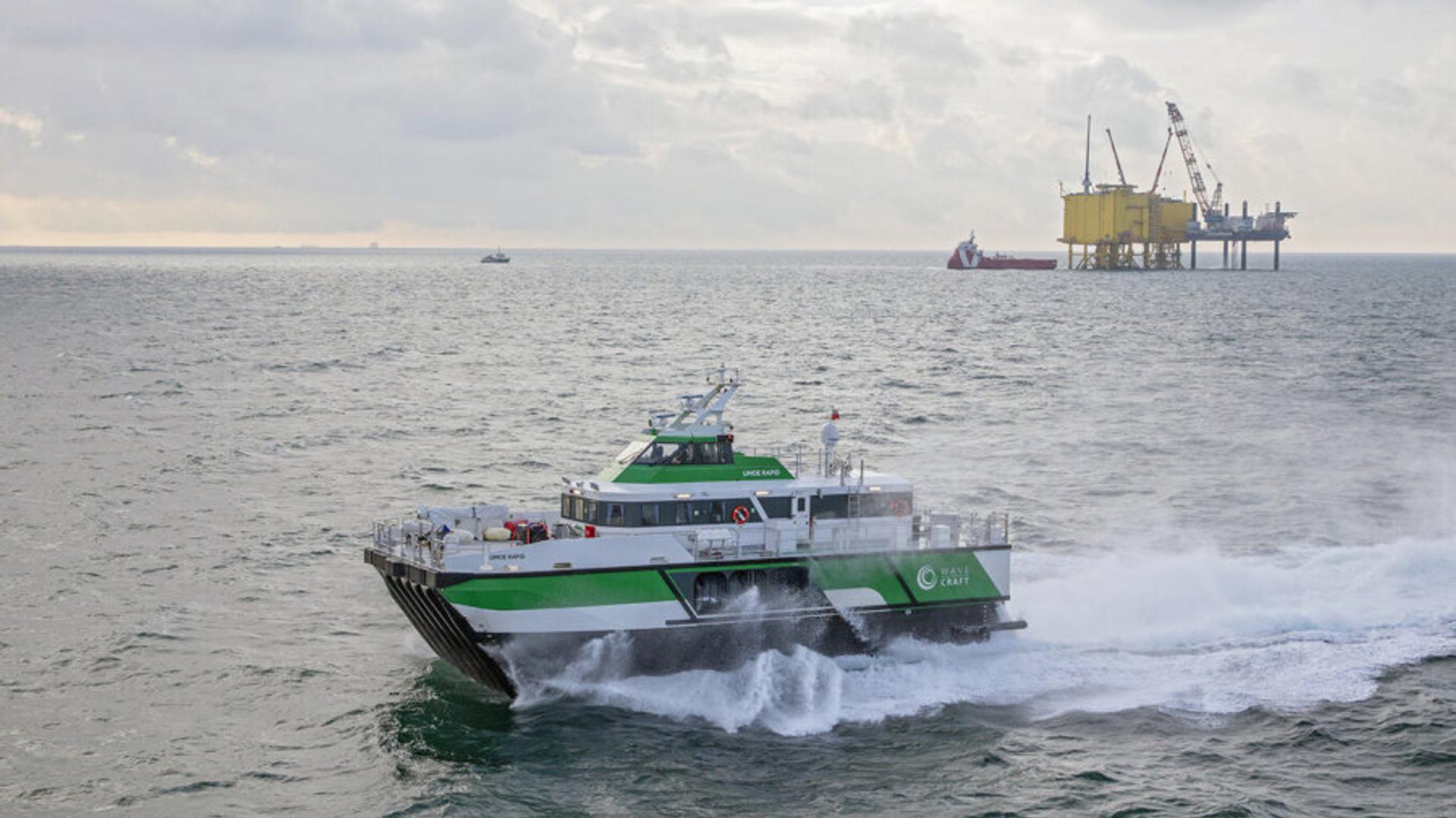
METCentre is also a testbed for advanced digital technologies and equipment. For example, projects led by Kongsberg Norcontrol are testing systems that enhance maritime safety and situational awareness around offshore wind farms. These solutions integrate sensors and traffic management systems to support safer coexistence between wind installations and vessel operations.
Environmental responsibility is another priority. Spoor has tested its AI‑powered bird monitoring system on floating turbines at METCentre, generating thousands of hours of behavioural data. These insights support better impact assessments and licensing processes while strengthening understanding of wildlife coexistence.
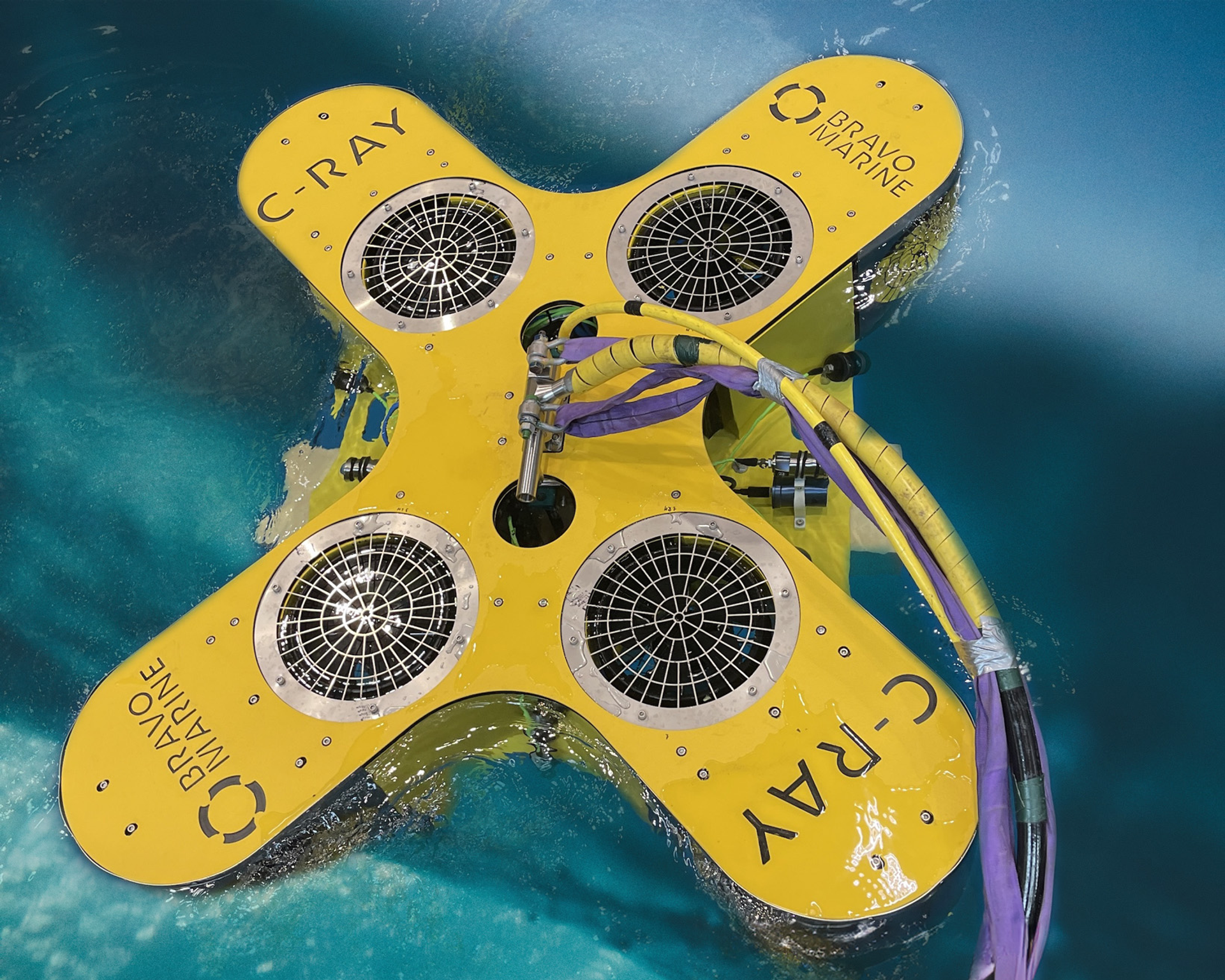
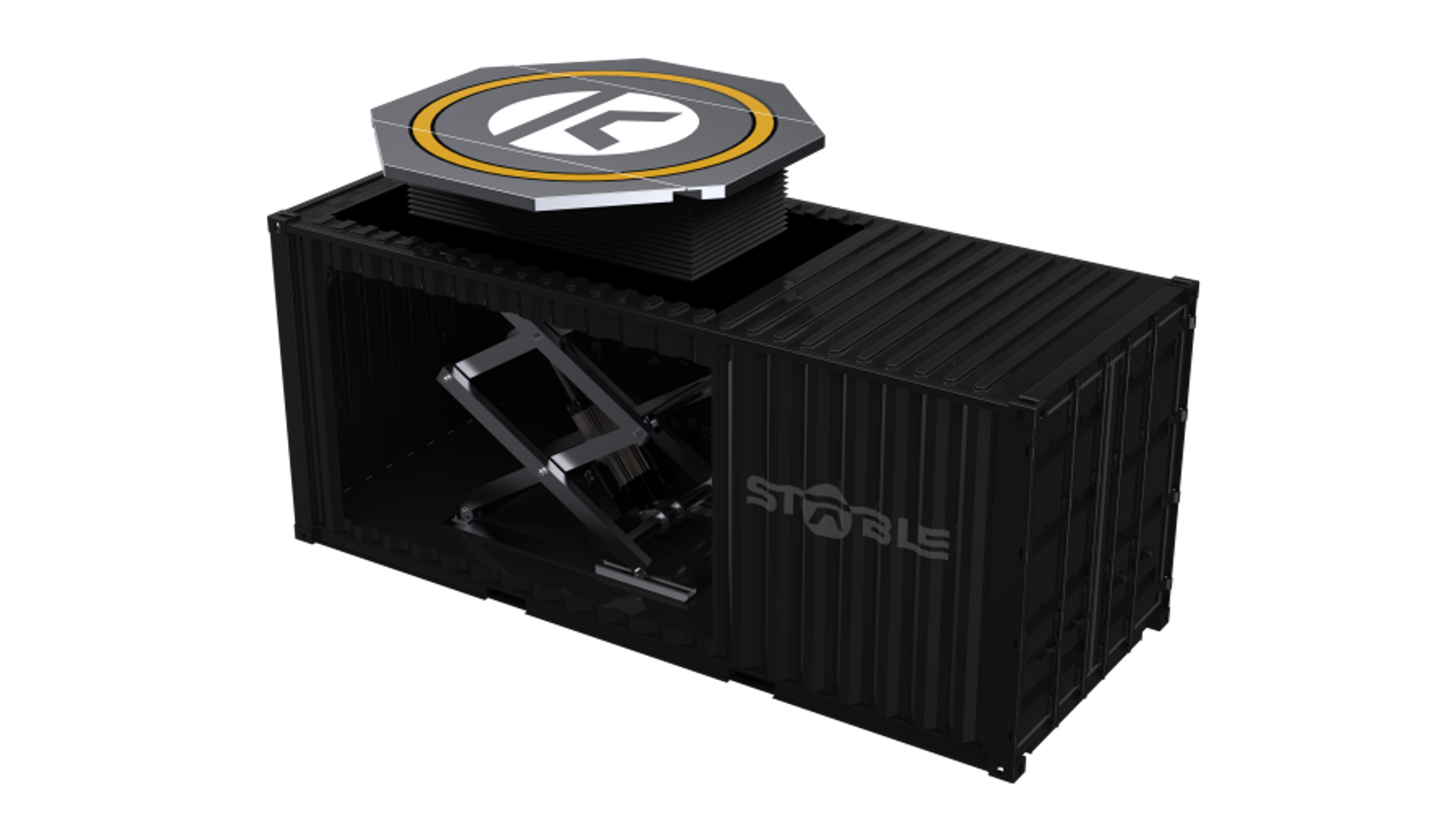
The Ocean Charger project, meanwhile, has completed its testing of an offshore charging solution for vessels and equipment, making an important step toward enabling Norwegian shipbuilders to deliver zero-emission vessels to the offshore wind industry.
Together, these projects demonstrate how Norway is creating a broader floating wind ecosystem, where safety, sustainability and operational efficiency go hand in hand.
Norway offers a complete offshore wind value chain
In addition to METCentre, Norway brings together other elements needed to scale floating offshore wind. The country has over 50 years of offshore expertise and Norwegian companies cover the entire offshore wind value chain, from development, presurvey and balance of plant to installation, operation and maintenance through to lifetime extension and decommissioning.
“Our ambition is to become the world’s leading supply chain for floating wind. And now’s the time because Norway has a very good position in the market. We’ve gathered every competency that’s needed. We have players…that cover nearly the entire value chain for offshore wind: foundations, cables, operations, maintenance, legal services, and more.”
Arvid Nesse
CEO of Norwegian Offshore Wind
Norwegian offshore wind solutions are north of the ordinary
Explore floating offshore wind solutions and connect directly with Norwegian companies whose technologies are developed, tested and validated in one of the world’s most demanding marine environments.