Norway gives medtech innovators a fast track to clinical trials
Published 17 Sep 2026 · 5 min read
Access to some of the world’s best health registries, a broad network of public hospitals and plenty of tech-savvy doctors eager to take part.
Since its inception in 2022, NorTrials’ centre for medical devices has received more than 100 inquiries,
from startups with an early-stage prototype to the world’s largest medtech companies.
For companies looking to introduce brand new medical technology, the road to testing and approval can be long. One problem is finding doctors who not only have the right patient group, but who also understand the needs the new product will address, and who want to try it out themselves. NorTrials can help solve these challenges by bringing together enthusiastic clinicians from hospitals all over Norway who are seeking new solutions to clinical problems.
NorTrials – six separate medical networks
In 2021, the Norwegian government presented its National Action Plan for Clinical Trials, which established NorTrials as a public-private collaboration. Today, there are six centres located at Norwegian university hospitals, five of which cover drug studies in the fields of cancer, gastrointestinal, inflammation, cardiovascular and brain health, while the sixth, at St. Olav’s hospital in Trondheim, focuses on medical devices such as equipment, software and technology with medical purposes.
“At NorTrials, our attitude is that when someone comes and asks us about something, we say yes first, no matter what the question is. Then we go and find out how to make it happen.”
Thomas Langø
Chief scientist at St. Olav’s hospital and scientific leader at NorTrials Medical Devices
From student idea to drone transport
This ‘yes’ attitude was first put to the test in 2022, when three students came up with the idea that drones could transport medical samples between hospitals. NorTrials quickly put them in touch with clinicians at two hospitals. That very same winter, the students flew the first transport of blood samples between hospitals. The samples handled the airy and innovative transport well, and the novel method turned out to be significantly cheaper than traditional transport by taxi. Today, the idea has morphed into a company that operates drone transport on a wide scale for the benefit of society.
A global leader in ultrasound and navigation
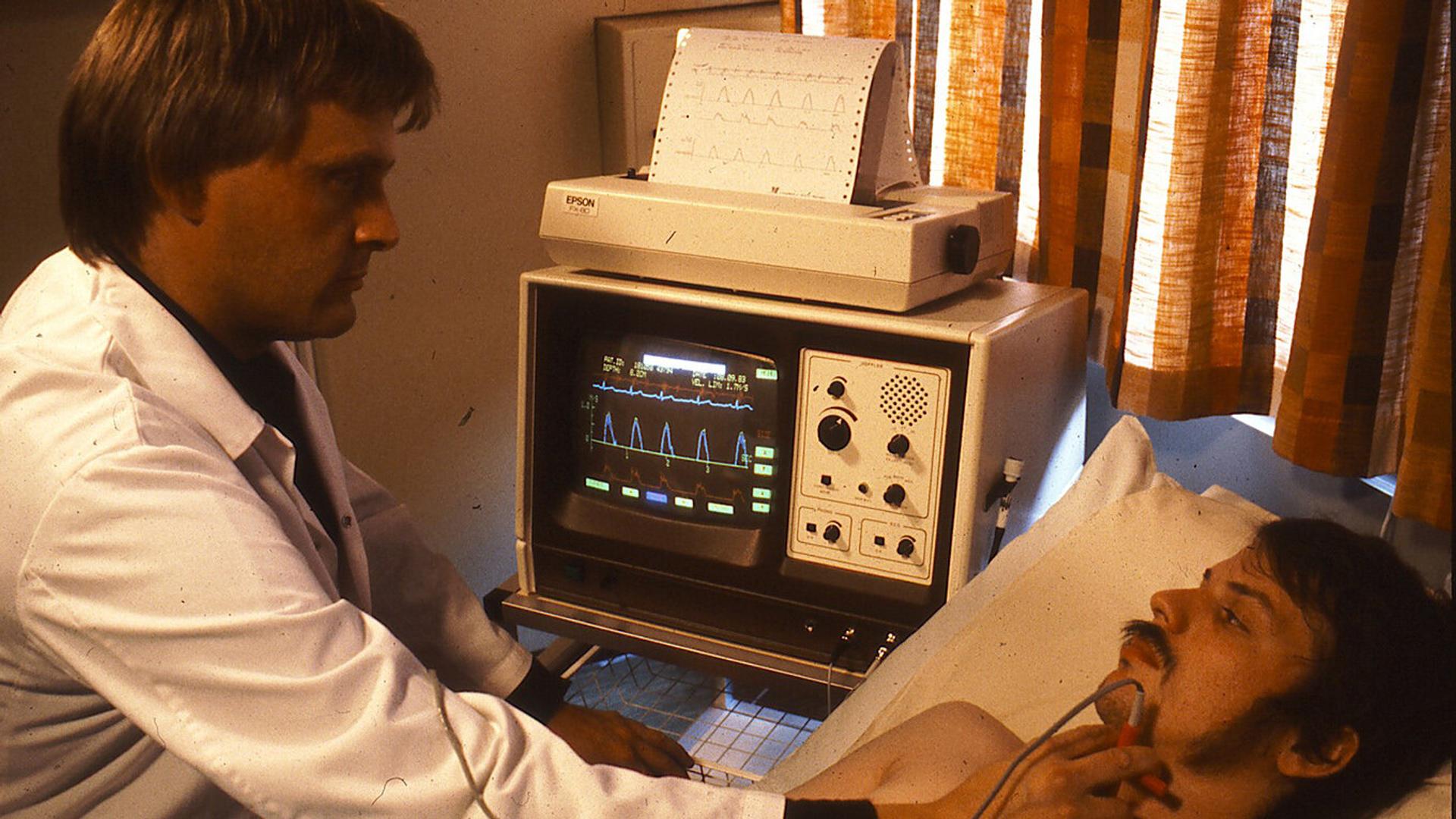
There is a natural explanation why the centre for medical devices is located in Trondheim. In the 1970s, researchers at the city’s prestigious Norwegian University of Science and Technology (NTNU) built the first instrument that could measure blood flow using sound waves. The instrument is the forerunner of the ultrasound machines currently found in hospitals all over the world. Surgical navigation technology also stems from the same environment, where clinicians from St. Olav’s hospital, researchers from NTNU and SINTEF, and industry partners have long worked side by side.
This environment has been driving innovation in the field for decades, so it knows the clinical groups and their needs extremely well and can quickly route equipment to the right clinic.
“If your company brings new innovation in ultrasound to Trondheim, you will secure access to both clinical expertise and technological support that you will not find anywhere else,” says NorTrials Medical Devices’ scientific leader Langø.
What happens when engineers encounter surgeons?
How such a collaboration works in practice is perhaps best illustrated by the work of Ole Skeidsvoll Solheim, senior consultant in neurosurgery at St. Olav’s hospital and adjunct professor at NTNU. He is currently working with a US company on a drug pump that aims to solve a problem with which drug developers have long been grappling: the fact that the brain has its own safety valve. The brain’s blood vessels block the passage of just about everything, hindering the potential efficacy of many drugs that work extremely well in the rest of the body.
“When someone contacts me through NorTrials, I in turn contact others who perform the same type of surgery in Norway. This means that the company not only gets me, but also gets in touch with even more environments. ”
Ole Skeidsvoll Solheim
Senior consultant in neurosurgery at St. Olav’s Hospital and adjunct professor at NTNU
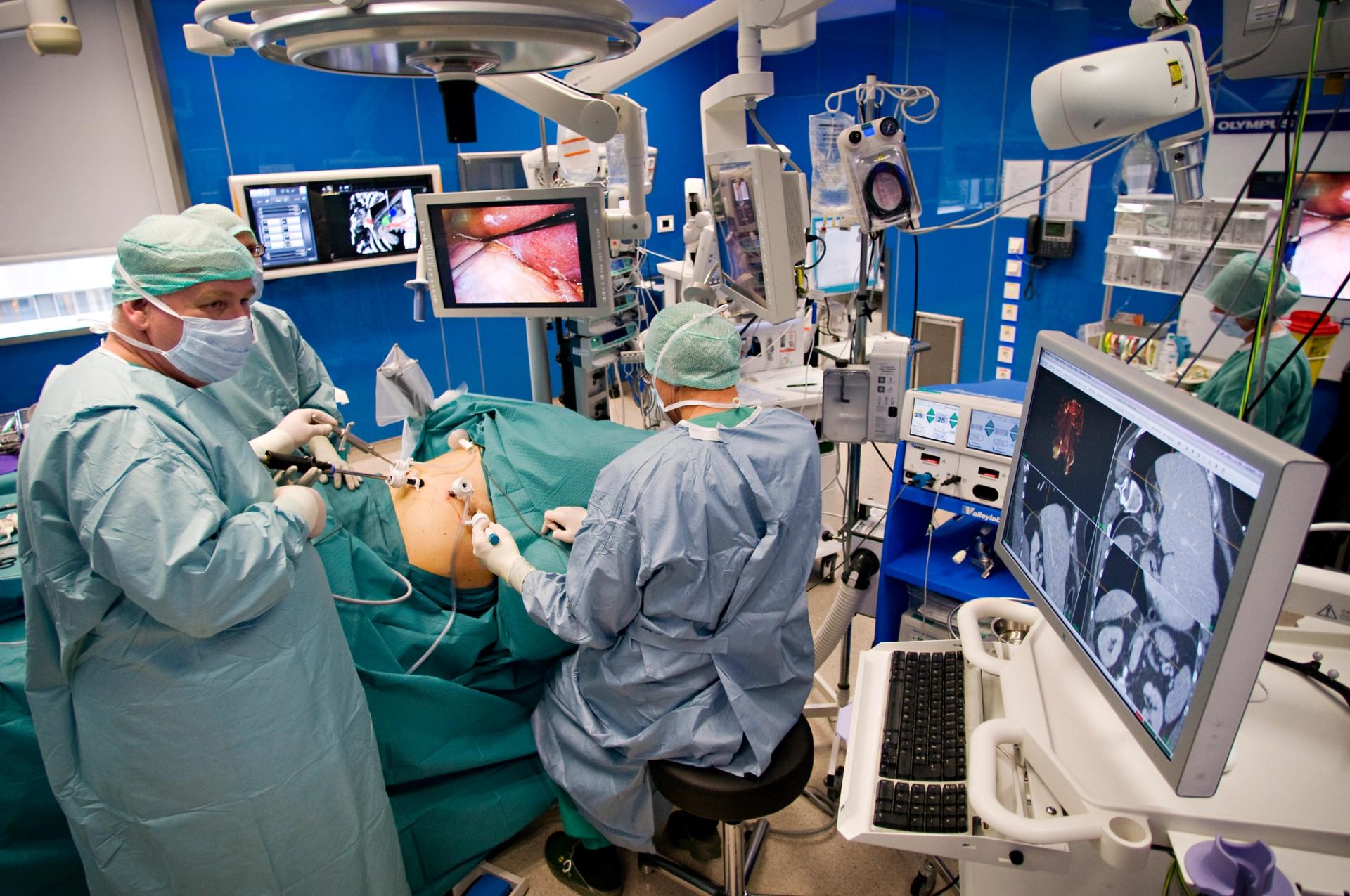
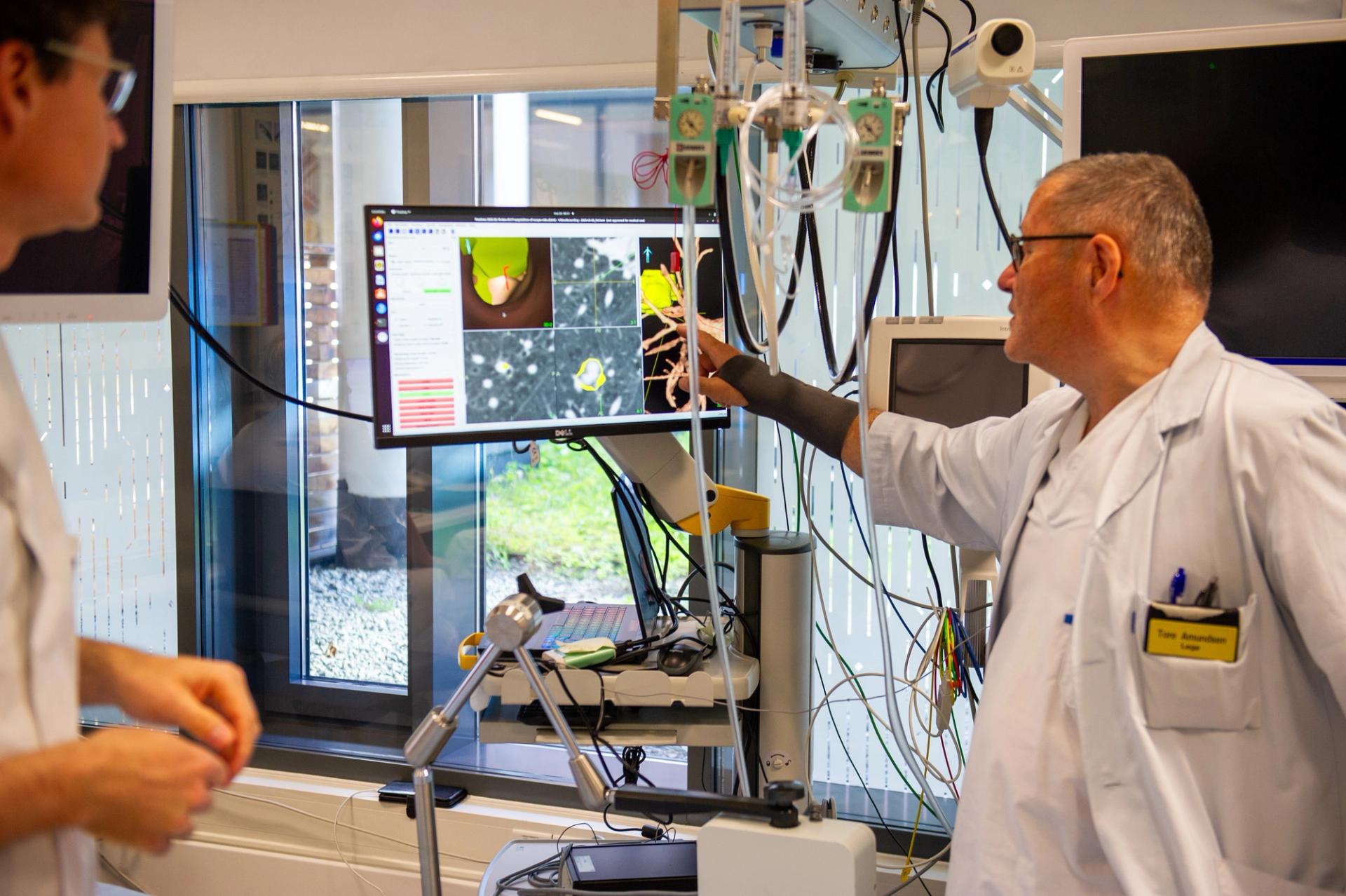
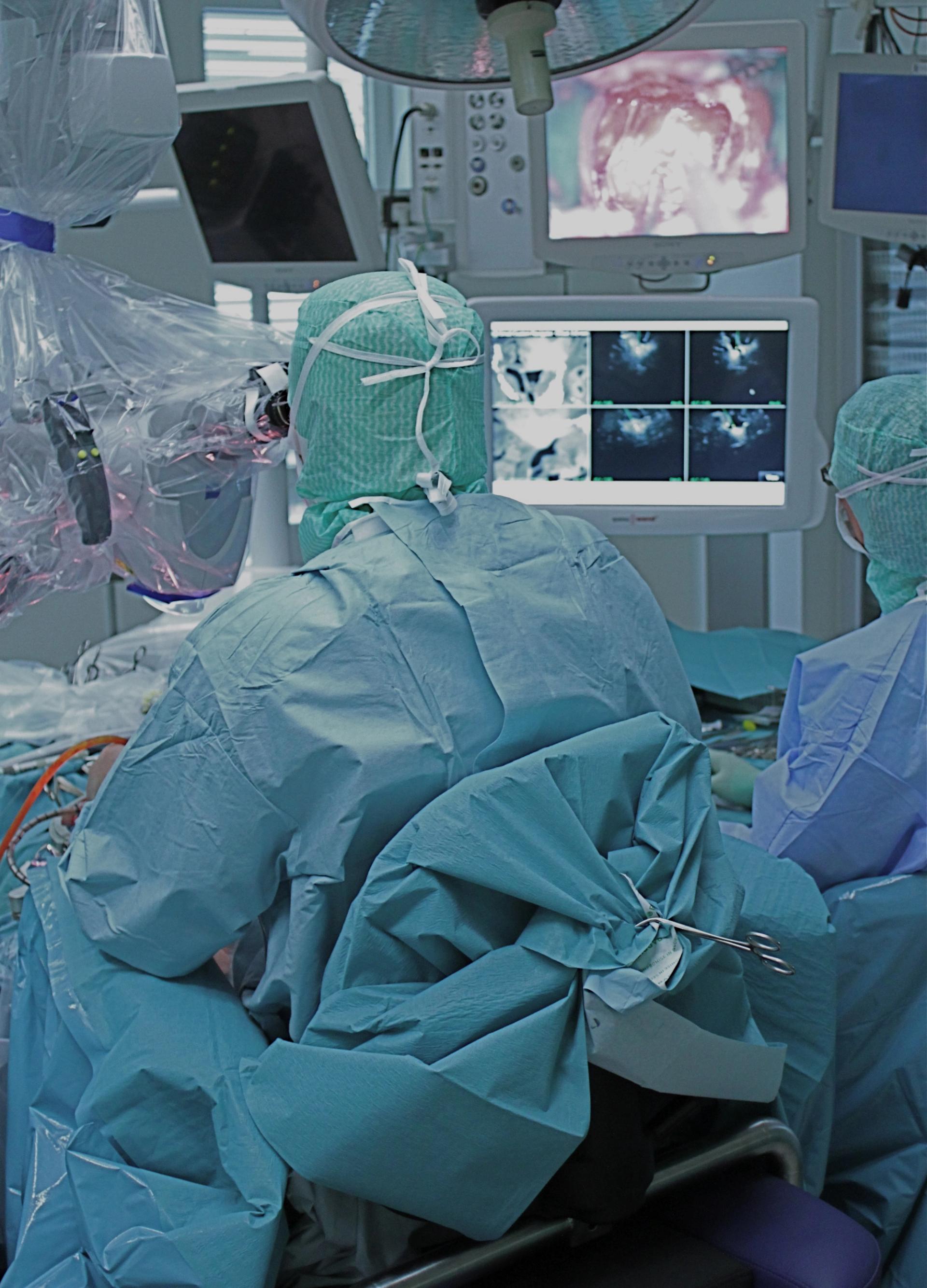
Neurosurgery is a tech-heavy field, and the equipment Solheim surrounds himself with really says something about what companies can find in Trondheim. In the operating theatre, MRI images taken in advance are used as a kind of GPS during the operation, while ultrasound continuously updates imaging during the operation. The network also offers other facilities that few hospitals in the world can offer, such as the Intervention Centre at Oslo University Hospital, where two interconnected operating theatres are equipped with full-scale MRI and CT, respectively, with a C-arc mounted on a robotic arm.
“The different environments don’t compete with each other to any great extent. In fact, we are rooting for each other. I hope the doctors in Bergen, Oslo and Tromsø do good work. If they come up with something clever, then I would very much like to learn from it, too. This would be much more difficult to achieve in a more privatised and competitive health system,” says Solheim.
What it looks like from the industry side
Medtronic, one of the world’s largest medtech companies, has worked with the network a number of times. Gunnar Mørne, Strategic Accounts Manager at the company, points out that it was more difficult for the industry to enter new markets in the past, before NorTrials entered the scene.
“NorTrials has given both Norwegian and international companies a single path to establishing collaboration on the testing and development of medical products. Previously, we had to find our way around the numerous clinical environments largely on our own,” says Mørne.
He describes the process as uncomplicated. The company submits its thoughts on how a trial can be performed on the NorTrials Feasibility Portal, the secretariat then forwards the case to the most suitable centre, before things quickly advance to a review of the possibilities. Finally, the network reaches out to the relevant environments.
“With NorTrials, you quickly get in touch with people who have deep insight into what is needed, whether it be regulatory issues or innovation processes. I find the process to be constructive, educational, fast and efficient.”
Gunnar Mørne
Strategic Accounts Manager at Medtronic
According to Mørne, his company’s repeated work with NorTrials is the best measure of its satisfaction. “If it had been a long and tiring process, we would have stopped after the first inquiry. Our experience has been quite the opposite,” he says.
Matchmaking and solid documentation
The inquiries trigger what Sara Edvardsen, researcher and regulatory advisor at NorTrials Medical Devices, describes as ‘matchmaking’. The task is not only to find a clinic with the right patient group, but also to find a clinician who wants to be involved.
“It really depends on who you approach. If you knock on one door, you may get a hard no, because they don’t have the capacity or aren’t that interested in developing the tech. But if you go to the office next door, you’ll find someone who says that it sounds great and that it’s something they need to take part in,” says Edvardsen.
A hospital can only buy equipment that has been approved, and marketing authorisation requires documentation that proves that the equipment’s performance corresponds to the supplier’s claims, that it complies with international standards, and that the risk is acceptable.
“Large-scale industries prefers certain countries over others because they know that by choosing the right location the study will be conducted according to the right structure, resulting in data they can use. Although companies may get the job done more cheaply in other places, they might face the risk of being left with data that cannot be used for anything,” says Edvardsen.
In recent years, the network has seen an increasing number of inquiries from international startups, and is keen to invite even more to reach out.
“We want to make it clear that we can give the international industry excellent access to patients and clinicians in Norway to try out new technology, which will then be comprehensively tested in the right way.”
Sara Edvardsen
Researcher and regulatory advisor at NorTrials Medical Devices
- Norway: A premier destination for clinical trialsSince 2021, Norway has pursued an ambitious strategy to strengthen its position as a preferred country for clinical trials. Now this is coming to fruition. Today Norway provides a more seamless and efficient pathway for conducting clinical trials than ever before.
 Norway: A destination of excellence for cell therapy trialsCell therapy has revolutionised treatment of haematological cancers, with significant promise for treating solid cancers and autoimmune diseases. Norway has long recognised this vast potential and has built an outstanding cell therapy ecosystem – from innovation and technology to clinical implementation.

- RM
Rasmus Malmborg
Investment Manager
Health and life science
Oslo
- Read more about Health and life science