Norway: A global pioneer in Arctic medicine
Published 26 Feb 2025 (updated 4 Aug 2026) · 4 min read
In North Norway, healthcare has never had the luxury of being designed for convenience. It has had to be provided across vast distances, small communities and harsh weather conditions.
This reality has shaped a care delivery system characterised in good part by remote and ambulatory services. The result is a high-quality testbed for Arctic medical innovation and remote healthcare provision that is now attracting international attention.
“Norway has been the uncovered rock in healthcare. But the news is slowly getting out: Norway is a world leader in Arctic medicine and treatment.”
John Vislosky
Senior Advisor Health Tech at Innovation Norway in New York
Norway’s Arctic edge is not only about geography. It is about building reliable, scalable models for delivering high-quality care when resources are spread thin and conditions are demanding. As healthcare systems globally face shortages in healthcare personnel, ageing populations and expectations for access, models developed in North Norway are increasingly relevant.
Unparalleled remote care in extreme environments
Almost half of Norway’s land mass lies above the Arctic Circle, home to around one tenth of the population. Moreover, the country’s Arctic maritime area of 1.5 million km2 corresponds to the combined land area of France, Germany and Spain.
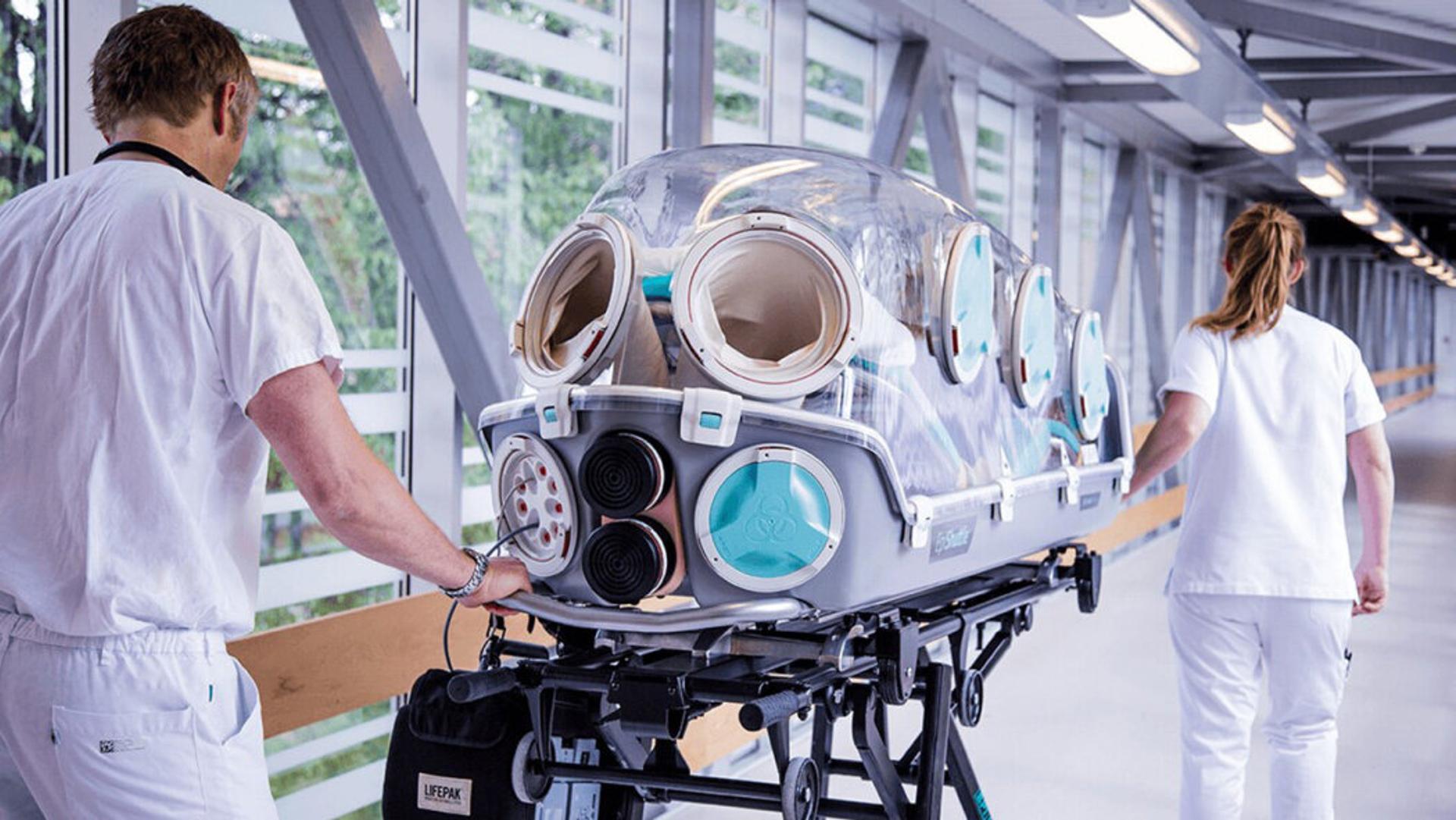
Combine these facts with Norway’s value-based care model of a universal health system, which aims to treat every person with the same level of care, even those living in rural communities in the Far North, and the outcome is a system that has had to perfect decentralised pathways, digital coordination and emergency preparedness.
“North Norway operates one of the most robust, decentralised remote and ambulatory care networks in existence – spanning from regional hubs to extreme environments like Svalbard.”
John Vislovsky
Senior Advisor Health Tech, Innovation Norway
This network is integrated into a nationally coordinated system. Air ambulance services are dynamically dispatched across regions, ensuring flexibility and surge capacity in the north while remaining part of a nationwide emergency system. Ground ambulance services are run by regional health trusts, with coverage well above one hundred units across Norway’s northernmost counties.
That is extremely interesting for international healthcare providers, including in the US, who are seeking proven ways to scale care delivery in rural and underserved regions.

Innovation, testing and commercialisation in the High North
Against this backdrop, North Norway has emerged as a premier setting for high-quality research, exploration and operational testing. Central to this is the formal opening of the Tromsø Arctic Innovation Hub and the High North Proving Ground.
The Arctic Innovation Hub brings together universities, startups, investors and R&D actors. Innovation programmes span industries from healthtech and maritime to energy and food systems, attracting talent and capital to the High North.
The High North Proving Ground, meanwhile, uses North Norway’s Arctic conditions as a live testbed, enabling companies to validate technologies and care pathways in cold, darkness, ice and remote logistics.
Academia is also doing its part to move innovation from research labs to the real world. Together the regional tech transfer office Norinnova, the University Hospital of North Norway (UNN) and UiT The Arctic University of Norway (UiT) collaborate on an InnoHub, turning clinical and academic breakthroughs into successfully commercialised solutions for global deployment.
Door-opening visit from the Mayo Clinic
Norway’s unique Arctic ecosystem has already drawn leading international partners. In late 2024, a delegation from the Mayo Clinic Berg Innovation Exchange visited Norway to explore collaboration opportunities within Arctic medicine and beyond.
“We were impressed by Norway’s commitment to patient-centred care while innovating to meet the challenges facing healthcare providers.”
Jennie Kung
Vice Chair, Mayo Clinic Innovation Exchange
“It was also exciting to meet so many groups aligned to the same mission and that there were strong connections between the various groups that support healthcare innovators,” she adds.
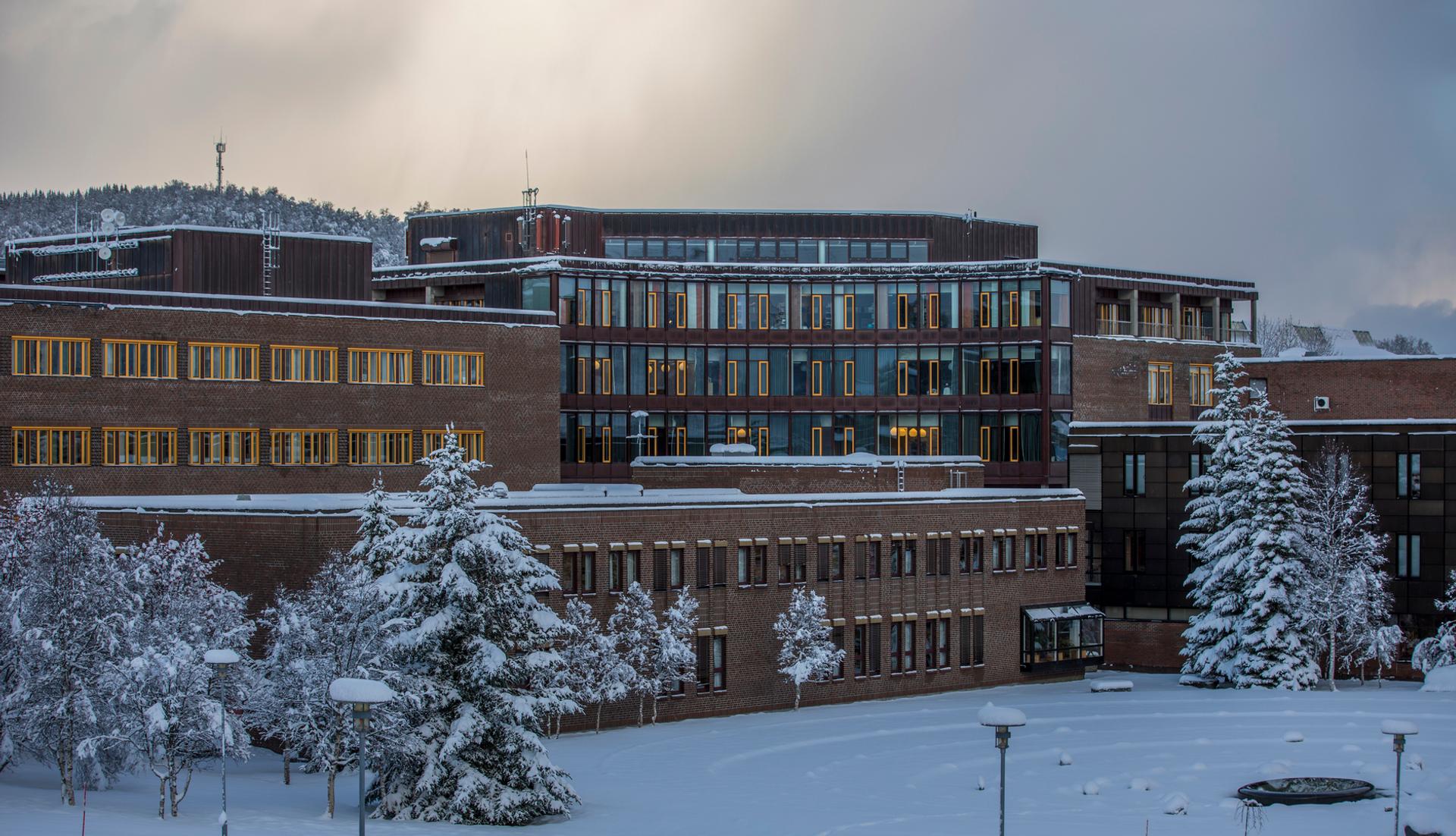
The Mayo Clinic delegation travelled to Tromsø, Norway’s northernmost urban centre, where they visited UNN and UiT. These visits focused on emergency medicine in the Arctic, use of AI and big data in healthcare, collaboration with the Norwegian Armed Forces, medicines from the seabed, and innovation.
“These types of trips have extreme value because we get to showcase a strong ecosystem that much of the world doesn't know about,” says Vislosky.
Jennie Kung agrees that their visit was productive:
“The visit strengthened our collaborations, providing a foundation for joint research and innovation projects. We also gained insights into Norway's advanced healthcare systems. Coming out of the visit we are focused on Norway-based collaborations. Collaborations that support the path from idea to the patient and collaborations that support innovators with the resources they need to develop solutions that help patients.”
Continued collaboration on a fast track into the US market
International collaboration is continuing. Innovation Norway, Norway’s official trade and promotion organisation, has established a structured US market entry programme, partnering with Laerdal Medical and the Mayo Clinic Berg Innovation Exchange, as well as other partners in the healthcare system.
The initiative acts as a fast-track pipeline for Norwegian healthtech companies to enter the US market, combining Laerdal’s hospital-based innovation expertise with validation, pilot testing and co-creation opportunities at world-class US healthcare networks.
“Mayo Clinic Berg Innovation Exchange was attracted to the programme due to Laerdal's involvement but also the unique innovation environment that North Norway creates,” says Vislosky.
Norway delivers health solutions that are north of the ordinary
Norway’s Arctic healthcare system was not designed to be impressive. It was designed to work. That pragmatism is precisely why it now offers answers to some of healthcare’s most pressing global challenges, from decentralised care to emergency preparedness and digital coordination in complex settings.
Explore healthcare solutions that can work (nearly) anywhere and take direct contact with the companies.