Waister transforms food waste into biofertiliser, animal feed or biogas booster
Quick information
- Available
- Americas, Europe, Asia, Africa and Oceania
At a glance
- Dryer that reduces weight and volume of wet food waste by typically more than 75%
- Shrinks the environmental footprint of food production
- Promotes the circular economy
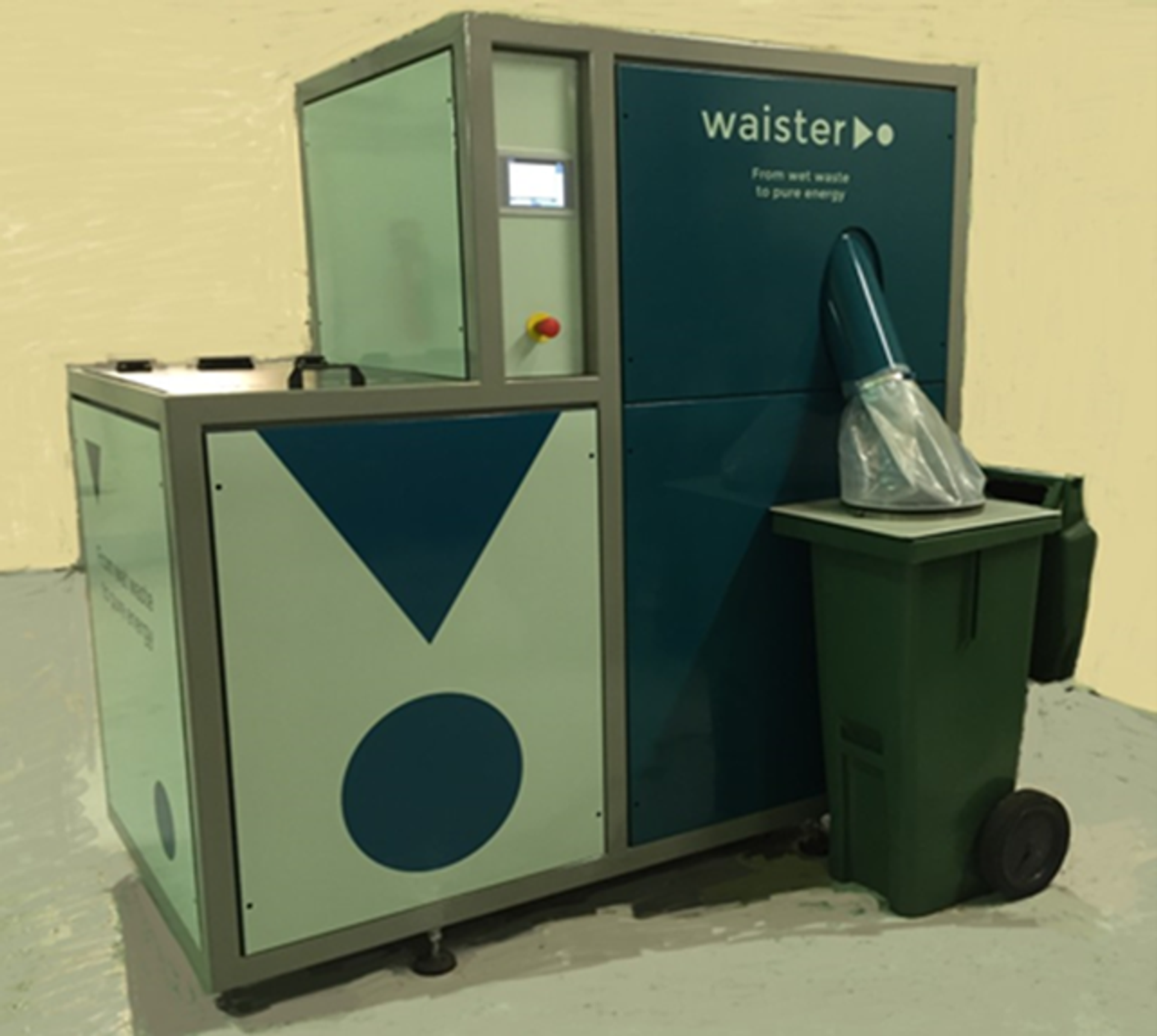
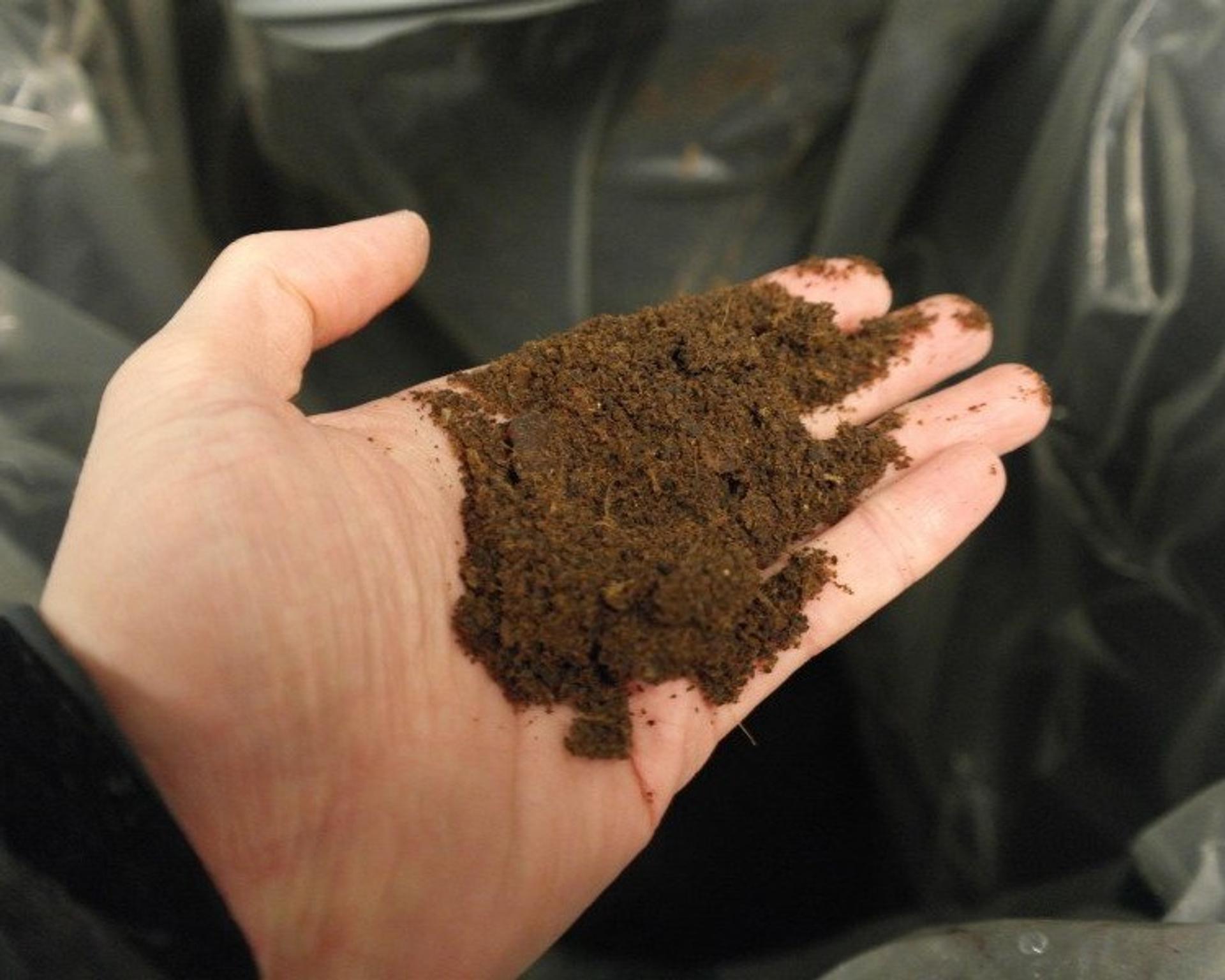
Waister’s technology transforms wet food waste into a dried product that can be used as a biofertiliser, an animal feed ingredient or a performance booster in biogas plants.
CHALLENGE
By 2050, the world population is estimated to increase from 7.6 billion to 9.8 billion. The amount of food waste will grow proportionately as food production expands if nothing is done to address the problem. Today, about 6.7 per cent of all global greenhouse gases come from food waste, according to the UN Food and Agriculture Organization (FAO).
Food production results in a number of by-products that are traditionally regarded as waste rather than as new raw materials for other processes. This waste can be difficult to recycle or reuse and is typically sent to landfills, composting facilities or waste incineration plants. Poor handling of wet food waste can lead to unnecessary transport and emissions of methane gas.
SOLUTION
Waister drying technology turns wet food waste into a raw material
Waister drying technology transforms wet food waste into a valuable product. The technology is based on a patented, innovative combination of mechanical fluidisation and mixing air with superheated steam, creating a compact and highly energy-efficient dryer.
Waister dryers reduce the weight and volume of wet food waste by more than 75 per cent. This is equivalent to four out of five truckloads of waste collected from restaurants, hotels, retailers and food producers.
The dryers transform wet food waste into a dried product that can be used to boost performance of biogas plants and stimulate plant growth as a biofertiliser, among other applications. Waister’s product range includes solutions for waste quantities from 500 to 10 000 kg per day.
BENEFITS
Reduces food waste disposal costs and environmental footprint
Waister dryers enable the reuse of wet waste fractions, transforming the waste into a storable and easily transportable raw material that can be upcycled into valuable products. These include biofertiliser, biogas booster, and animal feed ingredients.
Using the dryers, restaurants, hotels, retailers and food producers can eliminate or substantially reduce the cost of food waste disposal as well as minimise their environmental footprint.
Using the dried product as a biogas booster also reduces methane emissions significantly, compared with landfills and composting facilities.
MARKET POTENTIAL
Rapidly growing market for waste management
The global waste management market size was estimated at some USD 1.49 billion in 2025 and is projected to reach roughly USD 2.36 billion by 2033, growing at a CAGR of 6 per cent from 2026 to 2033. Rapid urbanisation, population growth and changing consumption patterns are the primary growth drivers.
The market for Waister’s drying technology includes restaurants, hotels, supermarkets and food producers worldwide. The company also supplies solutions for the aquaculture industry, fisheries, breweries and other businesses that generate organic waste.