The Scout 137 Gen 3 drone lets asset inspectors see in the dark
Quick information
- Available
- Americas, Europe, Asia, Africa and Oceania


At a glance
- Third-generation inspection drone for industrial confined spaces
- Tethered for unlimited flight time; navigates GPS-denied spaces using 3D LiDAR
- Standard gas sensor and 4K zoom camera; optional ultrasonic thickness measurement
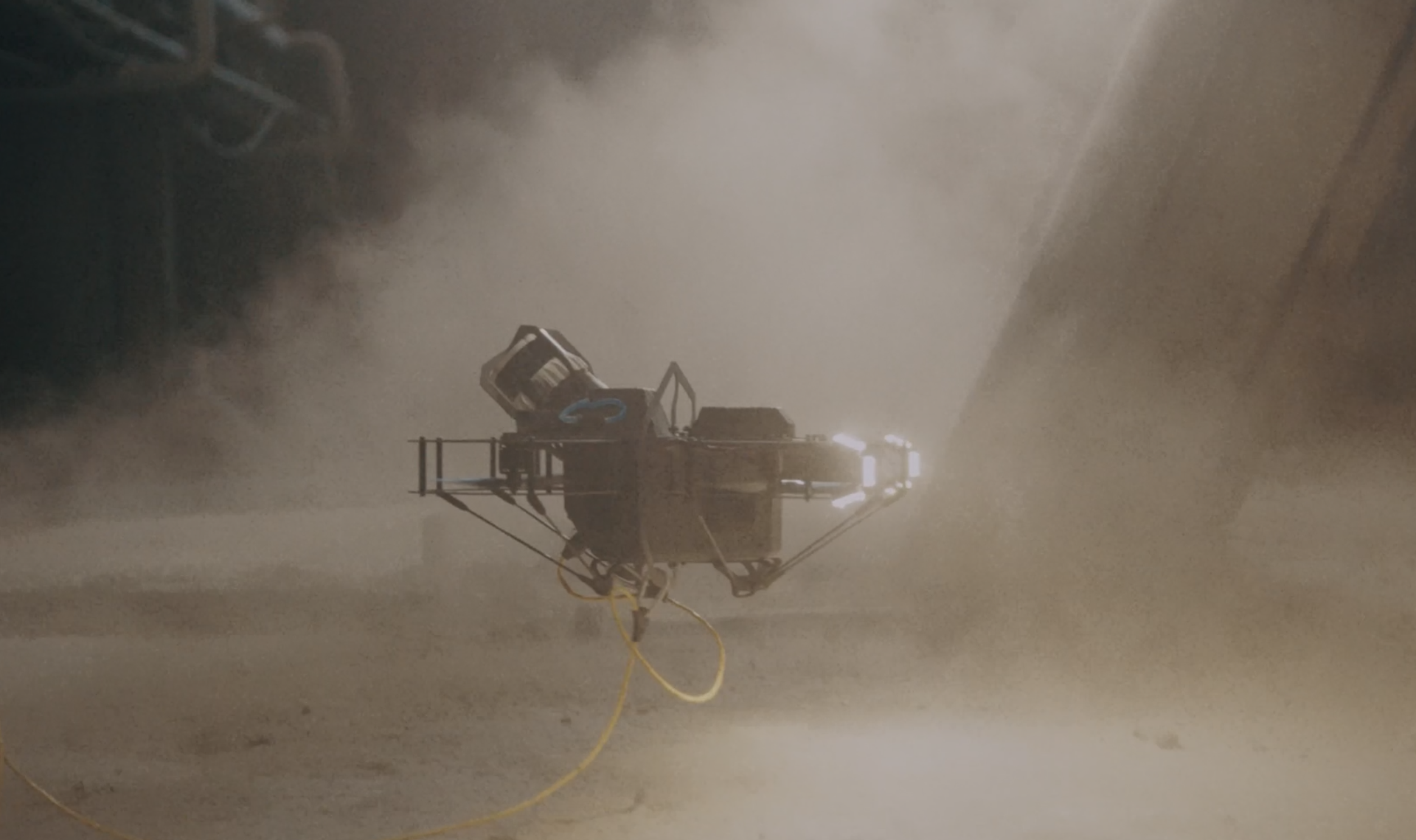
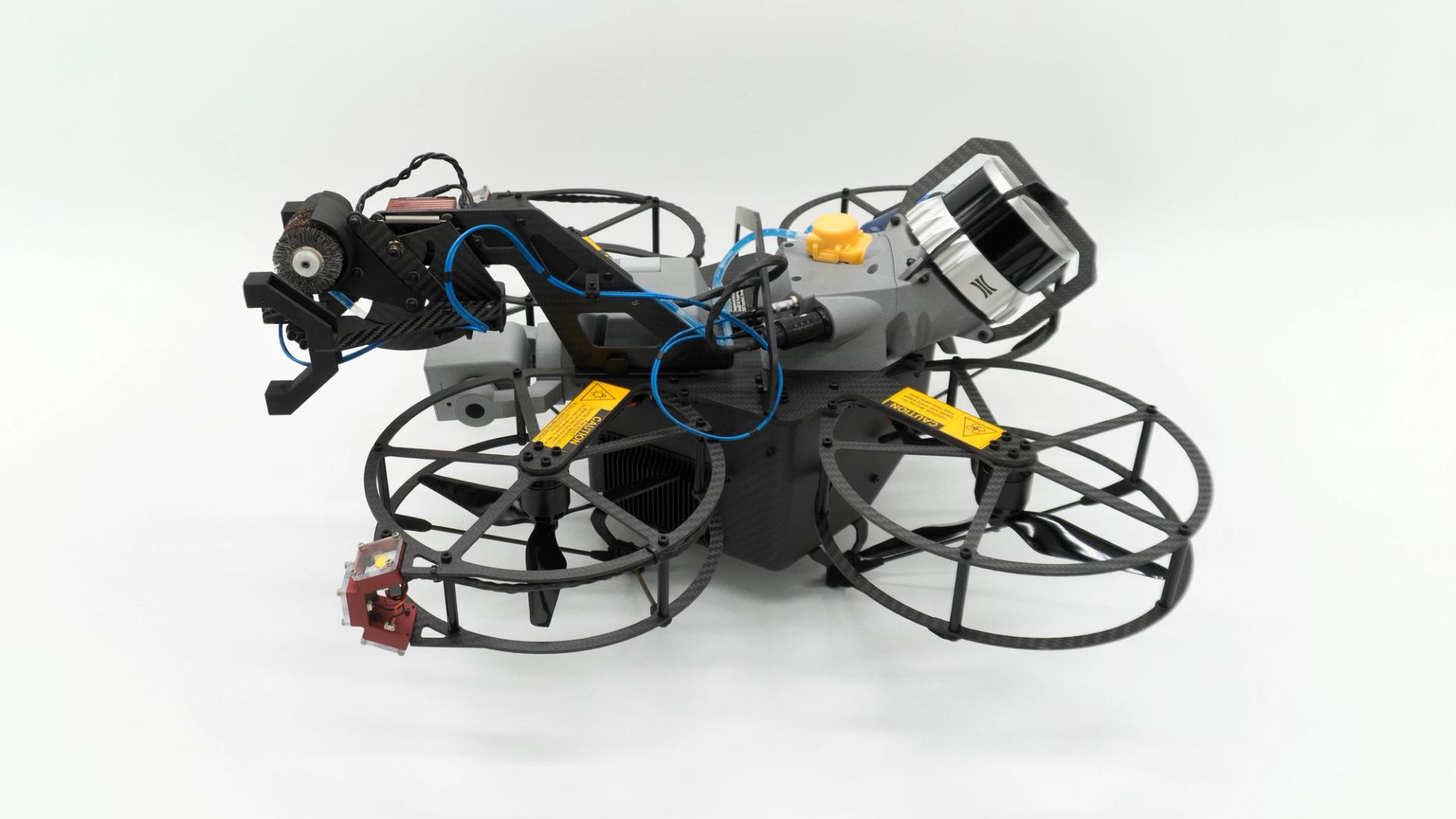
The Scout 137 Gen 3 Drone System performs remote inspections of confined industrial spaces – tanks, vessels, penstocks and shafts – using survey-grade 3D LiDAR for navigation and 360° situational awareness. Tethered for unlimited flight time, it makes inspections safer, faster and more efficient. “Our mission is to eliminate the need to send workers into hazardous spaces,” says Eivind Sivertsen, Marketing Director at ScoutDI.
CHALLENGE
Workers risk injury when inspecting industrial assets such as storage tanks, cargo holds and penstocks. In darkness and confined spaces, they may fall, be struck by loose structures or be exposed to toxic gases – yet someone must perform regular inspections to prevent leaks, structural failure and costly downtime.
“Enclosed spaces and steel structures interfere with GPS and magnetic compasses, which makes most drones unreliable indoors,” explains Sivertsen. “You need a system built specifically for that environment.”
SOLUTION
Inspection with survey-grade 3D LiDAR
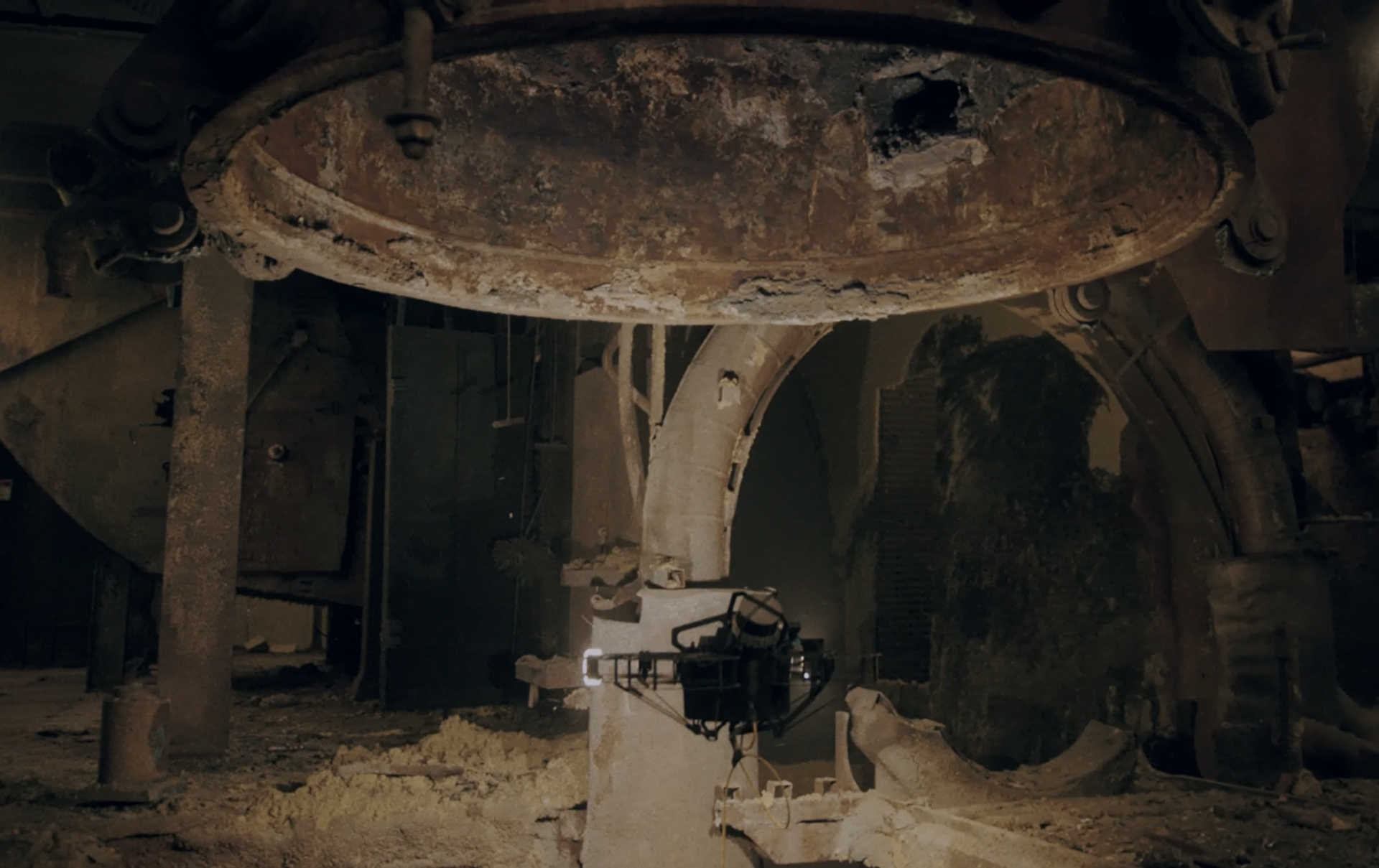
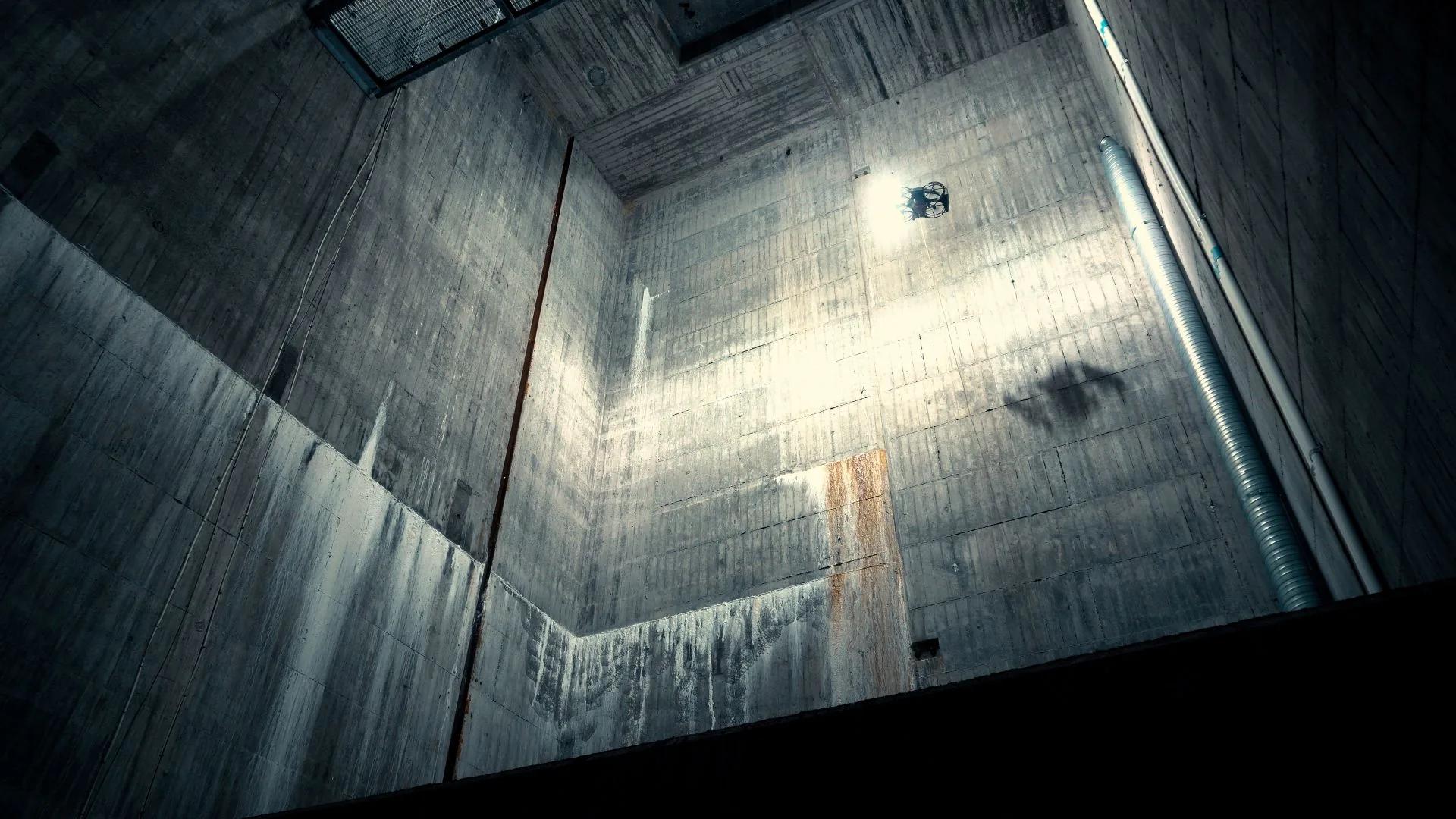
The Scout 137 Gen 3 Drone System performs inspections of storage tanks, vessels and shafts normally done by humans – places that would otherwise require confined-space entry, scaffolding or rope access.
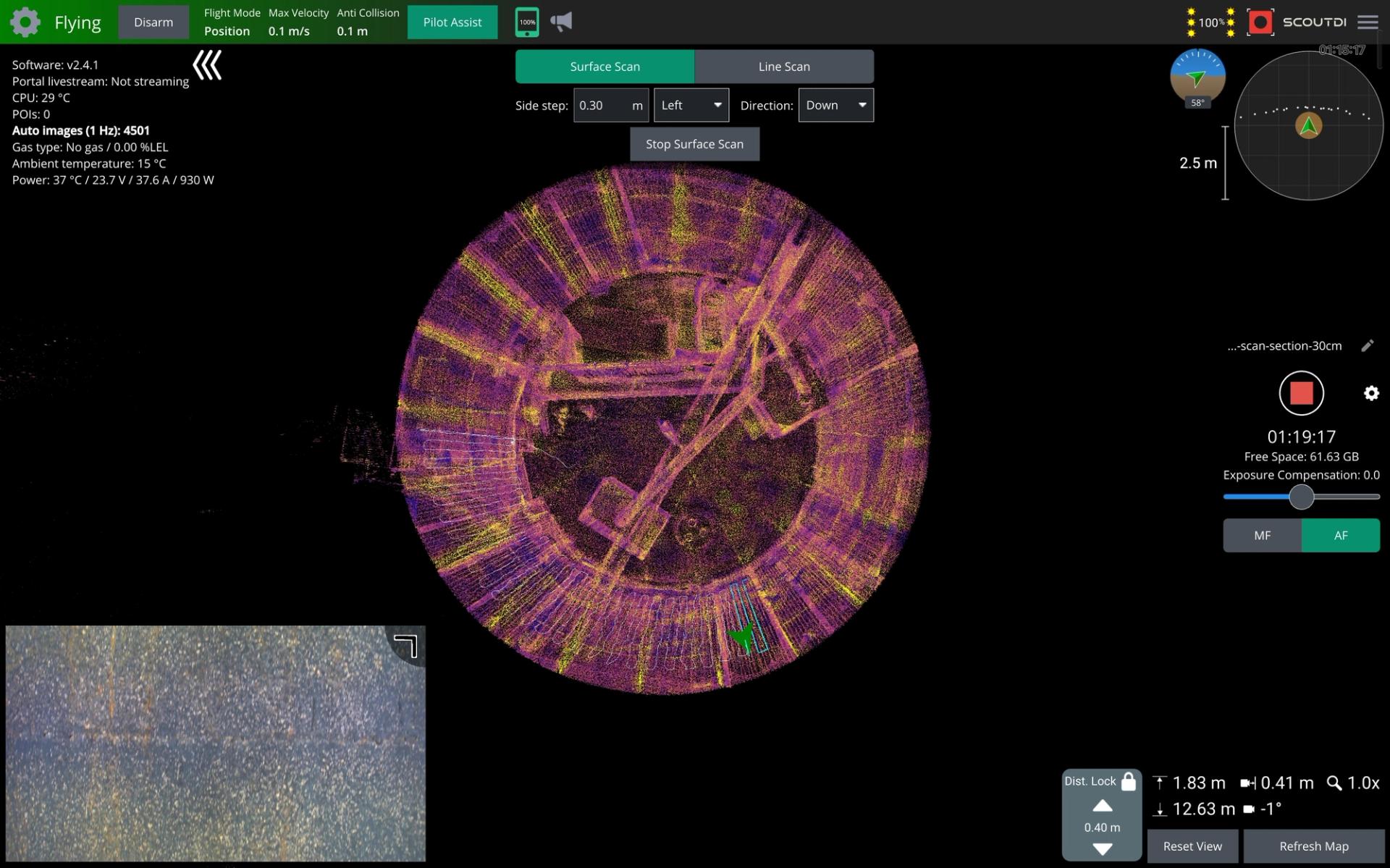
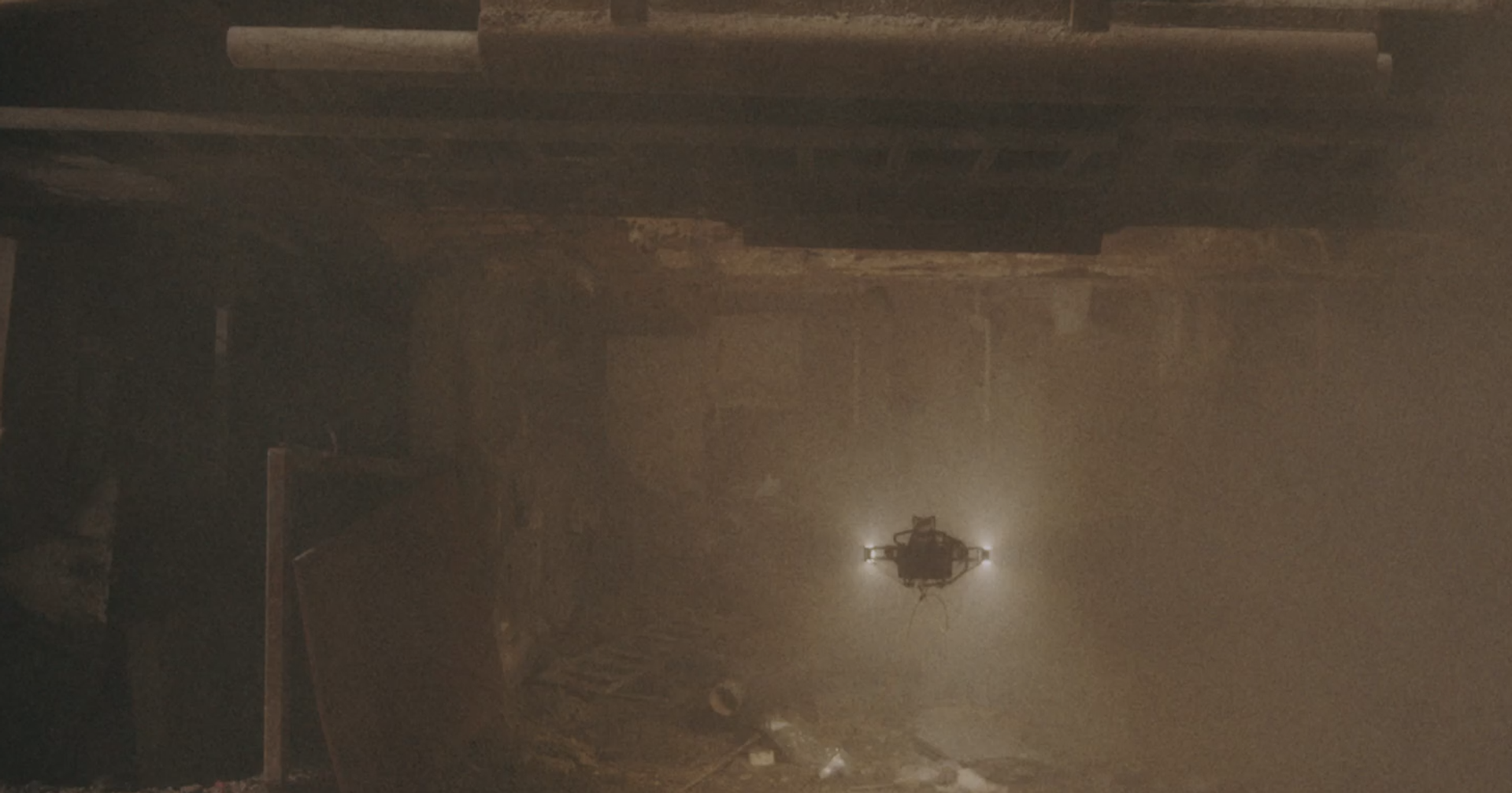
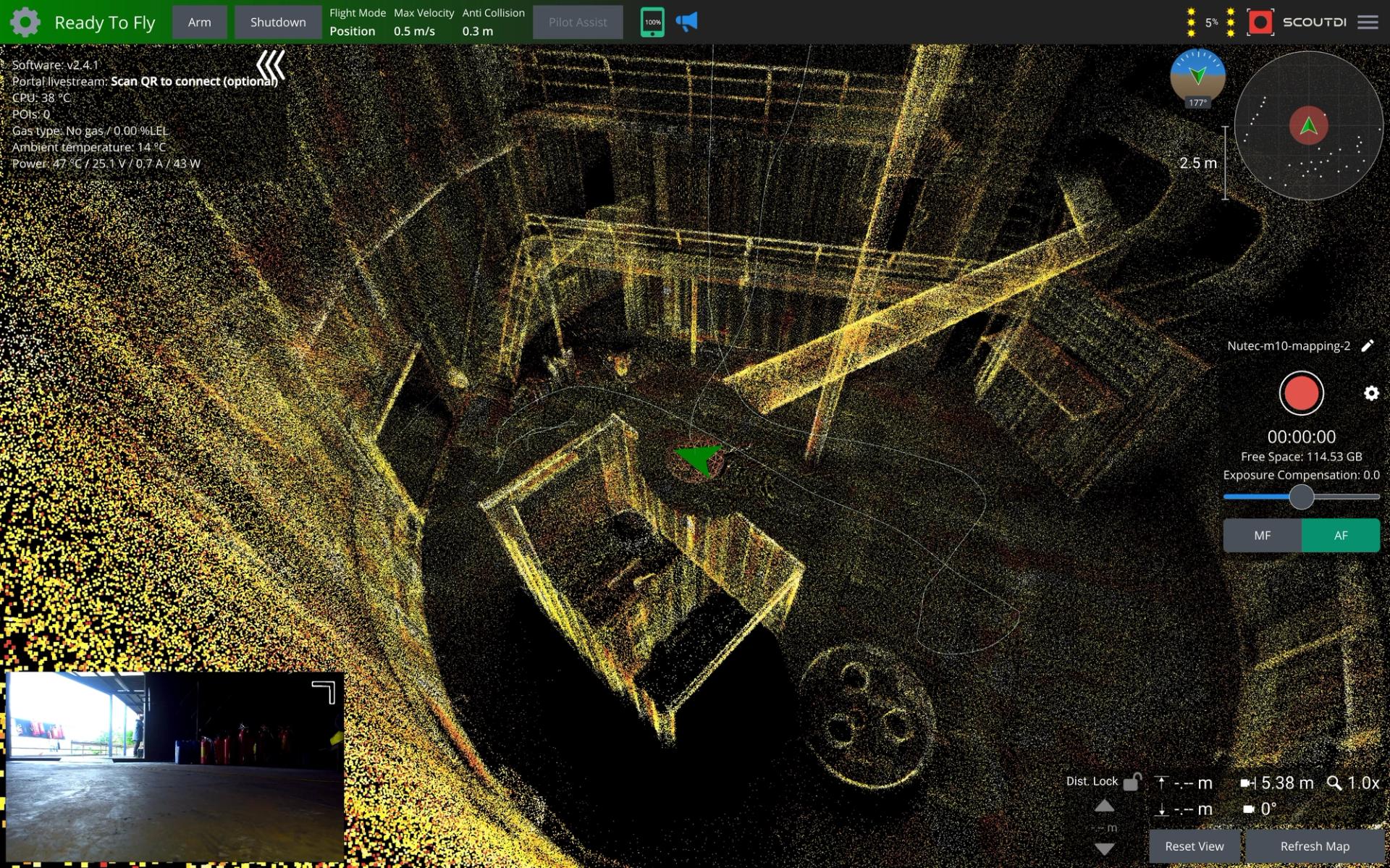
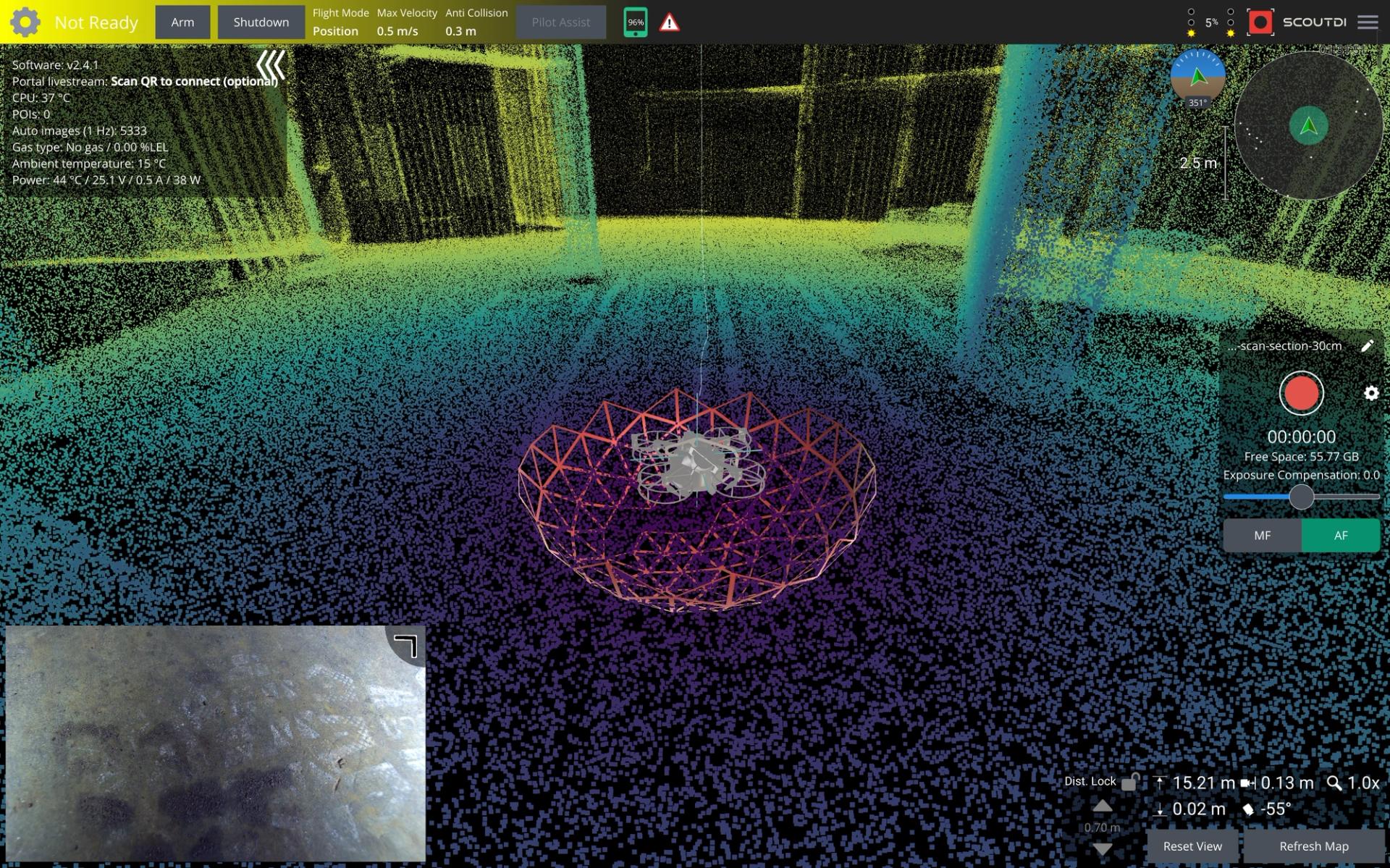
“What differentiates us is our 128-beam, survey-grade 3D LiDAR. It lets our drone navigate indoors with no GPS or compass coverage, giving operators a full 360-degree overview of the space, even in total darkness,” says Sivertsen.
The drone is tethered to a ground station, so it runs without batteries and has effectively unlimited flight time. All data, including a 4K camera feed with 3.5x optical zoom, streams live to the operator on the Scout tablet over a high-speed data link.
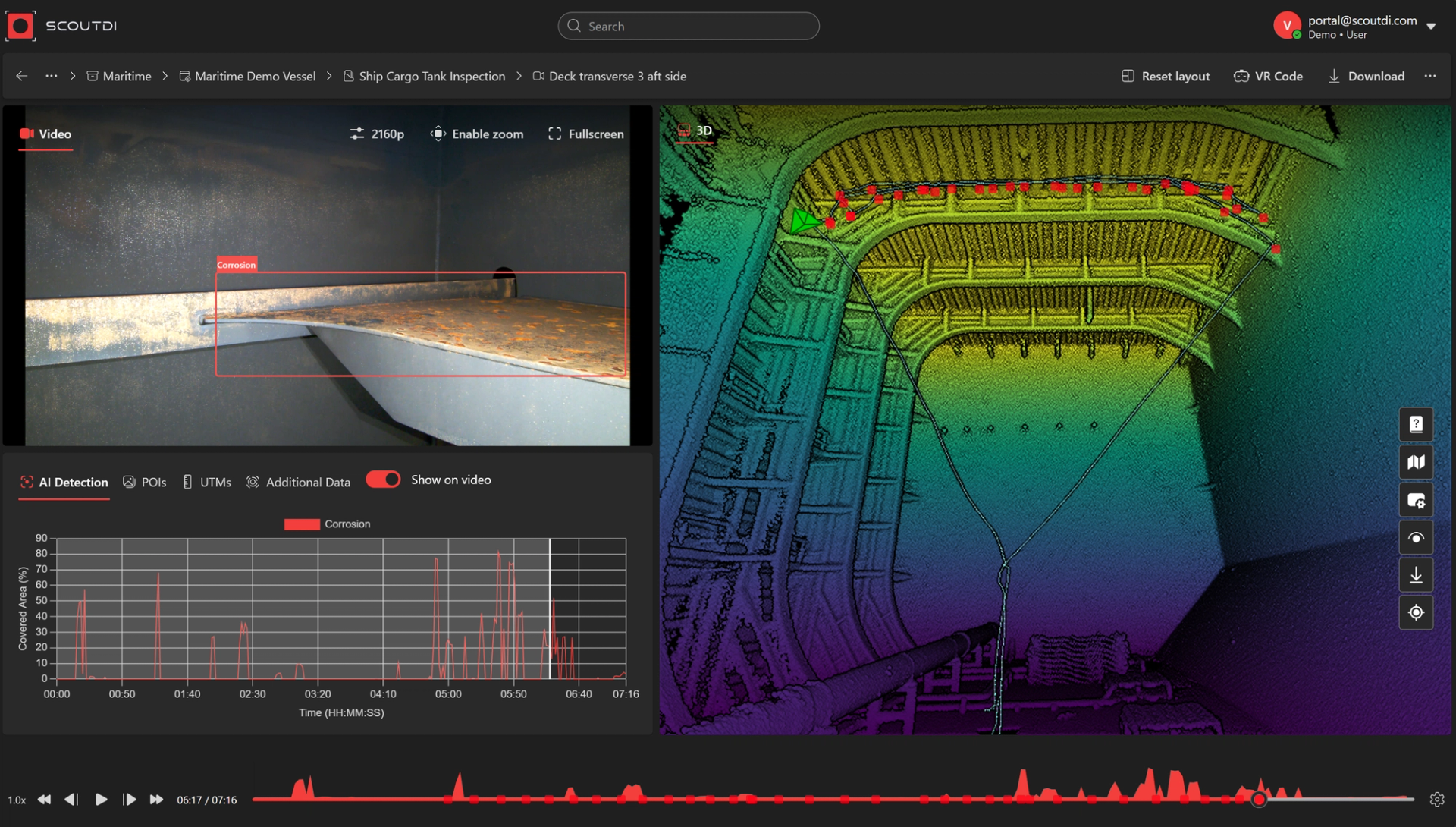
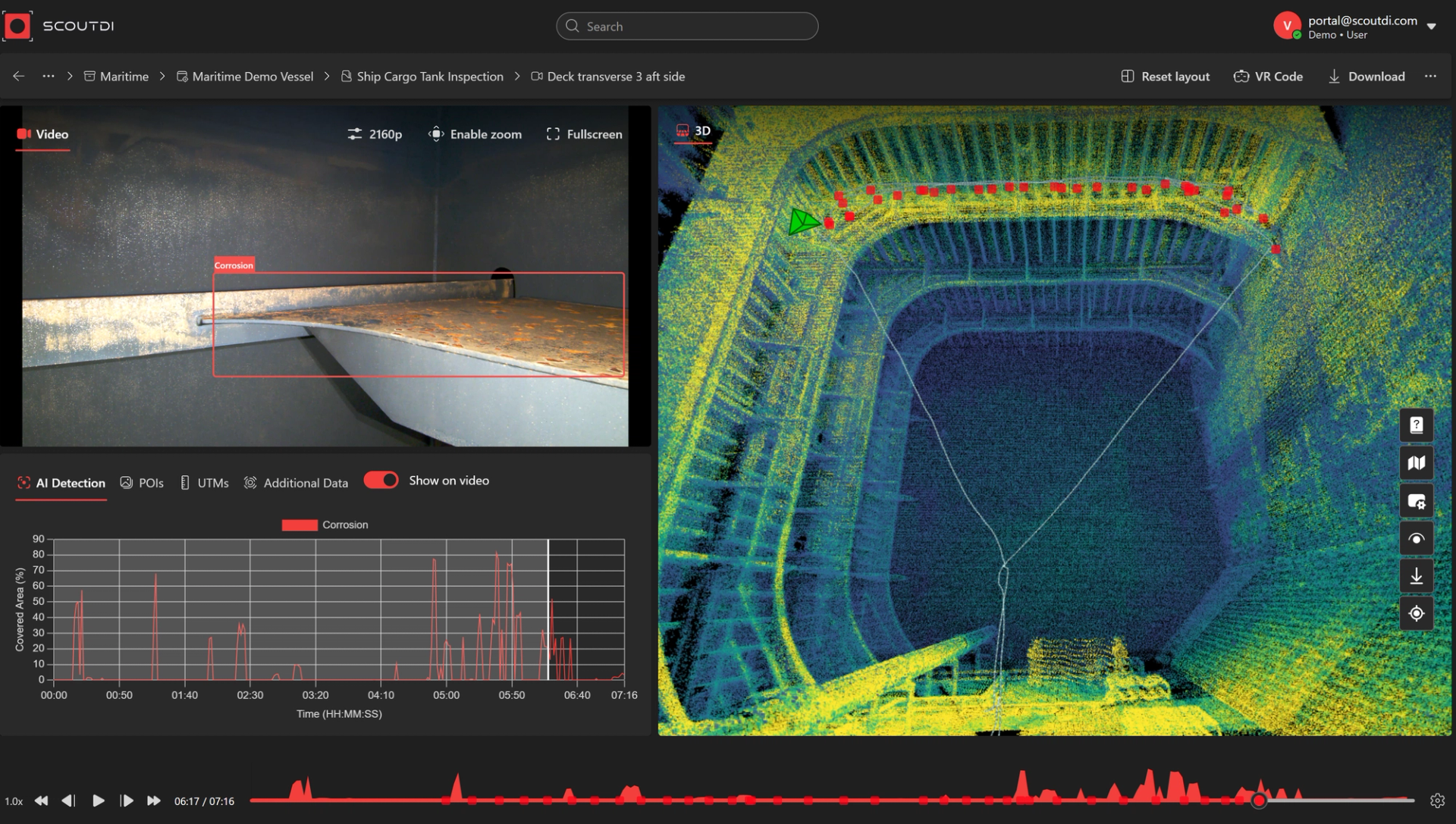
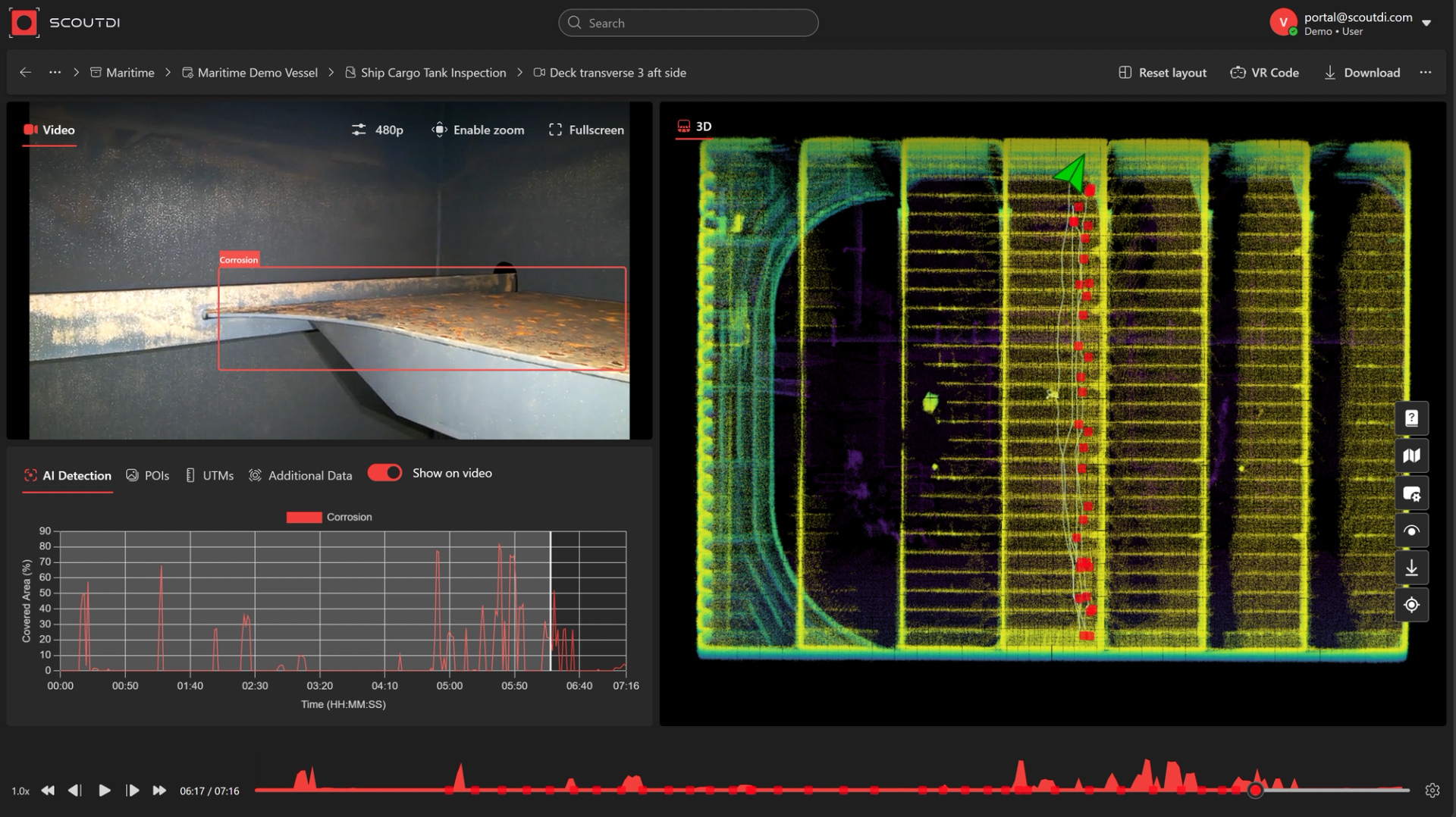
The Scout 137 is more than the drone itself; it comes with the cloud-based Scout Portal, where inspection data is reviewed and analysed as an interactive 3D digital twin of the asset.
“Ours is a complete system. Findings are location-tagged and linked to the asset’s 3D model, so we can generate meaningful statistics, not just footage,” says Sivertsen.
The Scout API can also connect that data to an asset owner’s own integrity management system, so teams keep working in the tools they already use, making the data even more accessible.
BENEFITS
Safer inspections, standard on Gen 3
The Scout 137 Gen 3 is the safest way to inspect confined and hazardous spaces. A gas sensor now comes as standard, and workers can complete the inspection without ever entering the asset, removing, not just reducing, the risk of injury.
The environment benefits too. “Our drone finds corrosion and cracks that can lead to structural failure and toxic leaks, and it replaces older inspection methods that carry real contamination risk,” says Sivertsen.
The drone is also far more efficient. “Gen 3 reaches the ceiling of a tall cargo tank and covers every centimetre in minutes rather than hours. That means more frequent inspections and better predictive maintenance,” he says.
The system also livestreams data to offsite quality managers, speeding up decision-making and making the best use of the onsite crew’s time.
MARKET POTENTIAL
A proven system, worldwide
The drone inspection and monitoring market continues to grow quickly as operators look to cut inspection costs, downtime and safety risk. Now in its third generation, the Scout 137 has customers worldwide and keeps gaining ground.
“We had our first sale in late 2020, and today we support customers from Scandinavia to the Gulf, and from Asia to the Americas,” says Sivertsen. “Gen 3 is built directly on what we’ve learned from them.”
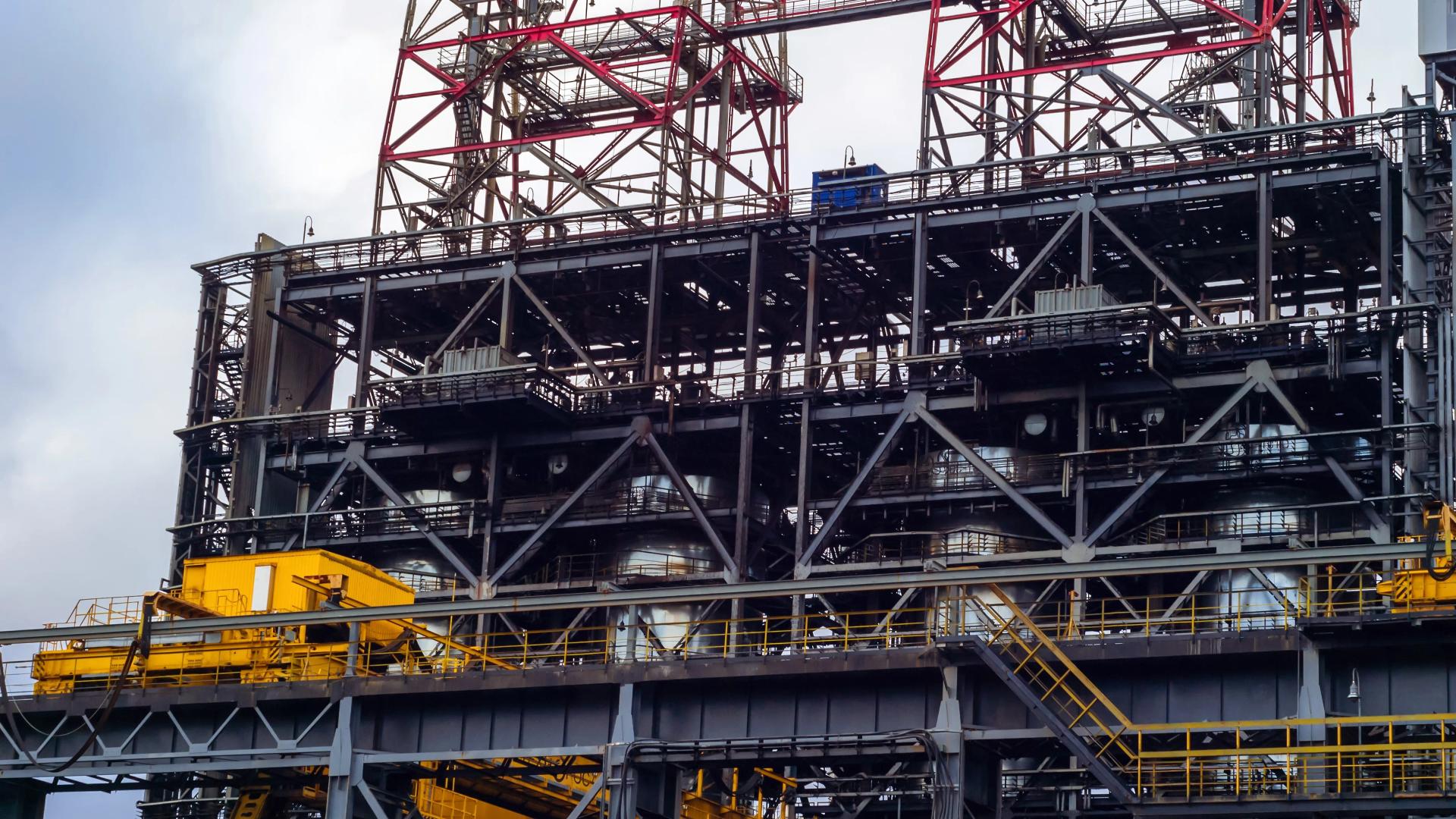
The drone is relevant across a number of industrial sectors, including maritime, infrastructure, power generation, port facilities, and oil and gas.
“Our goal is to make inspections safer and more sustainable for everyone involved,” Sivertsen concludes.
Testimonials
“With manual, scaffolding-based crack mapping, it is almost impossible to compare one inspection with the next in any meaningful way.”
Lars Jonsson
Dam Safety Engineer, Uniper
“By obtaining precise measurements from the drone, we know exactly how much space we have to work with and can accurately calculate how much rock needs to be removed in areas where there isn’t enough room for reinforcement today.”
Johnny Skår
Section Head, Statens Vegvesen (Norwegian Public Roads Administration)
“ScoutDI is the most forward-thinking drone technology company we have dealt with, and we have a great dialogue with them regarding product development. They also have heavyweights such as DNV and Equinor standing behind them, which puts ScoutDI at the forefront of the industry.”
Stein Hanssen
Senior Operations Coordinator, IKM Testing

Advancing the Sustainable Development Goals
 8. Decent work and economic growthThe Scout 137 Gen 3 keeps inspectors out of hazardous confined spaces, improving worker safety.
 9. Industry, innovation and infrastructureUnlimited, battery-free flight time helps industries inspect more efficiently and reduce emissions linked to travel, scaffolding and asset downtime.
 14. Life below waterThe Scout 137 Gen 3 reduces the risk of toxic-substance leakage into marine ecosystems.
 15. Life on landThe Scout 137 Gen 3 reduces the risk of toxic-substance leakage into terrestrial ecosystems.