Aker Solutions’ aquaculture systems enable sustainable offshore production
Quick information
- Available
- Americas, Europe and Asia

At a glance
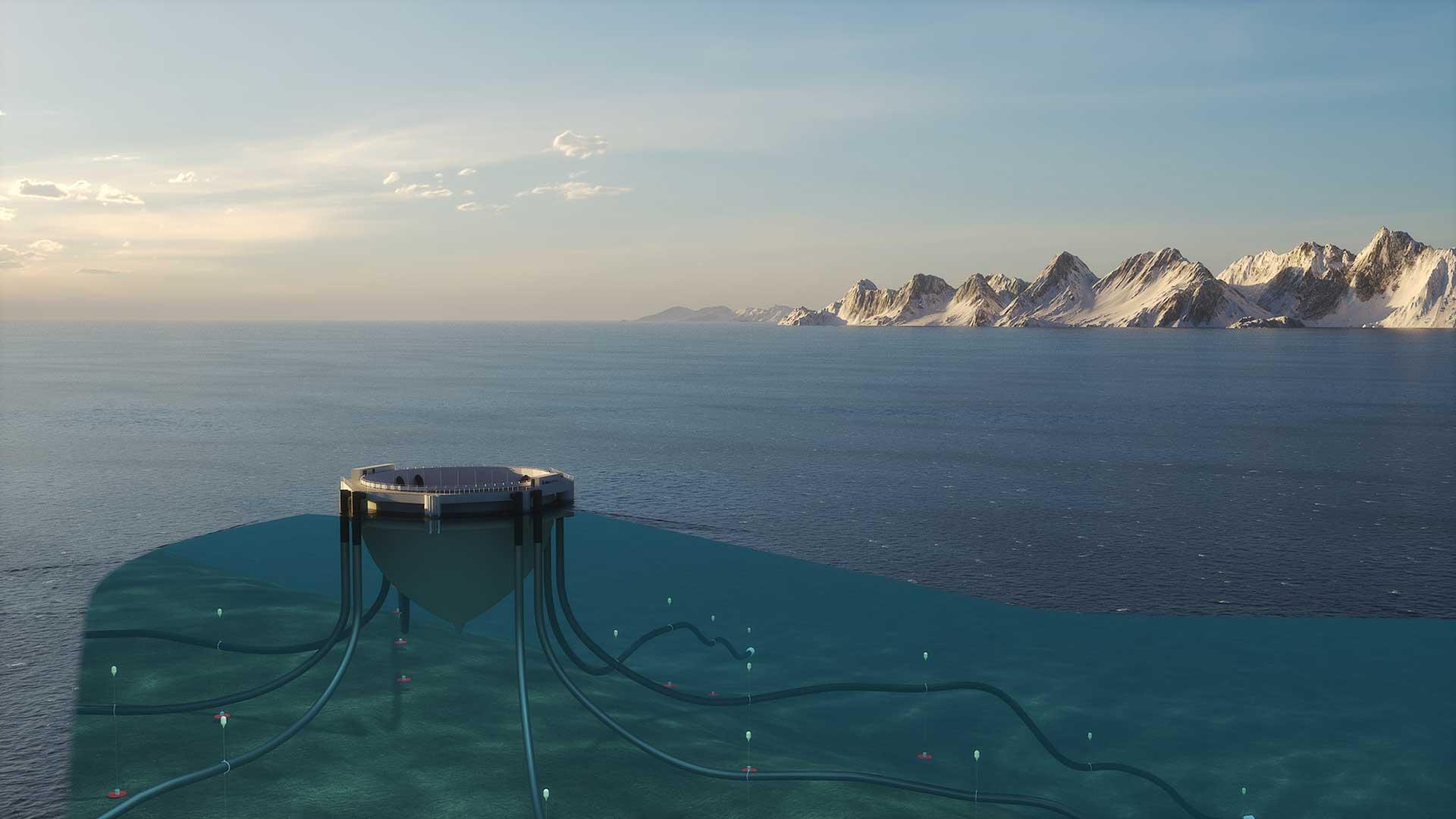
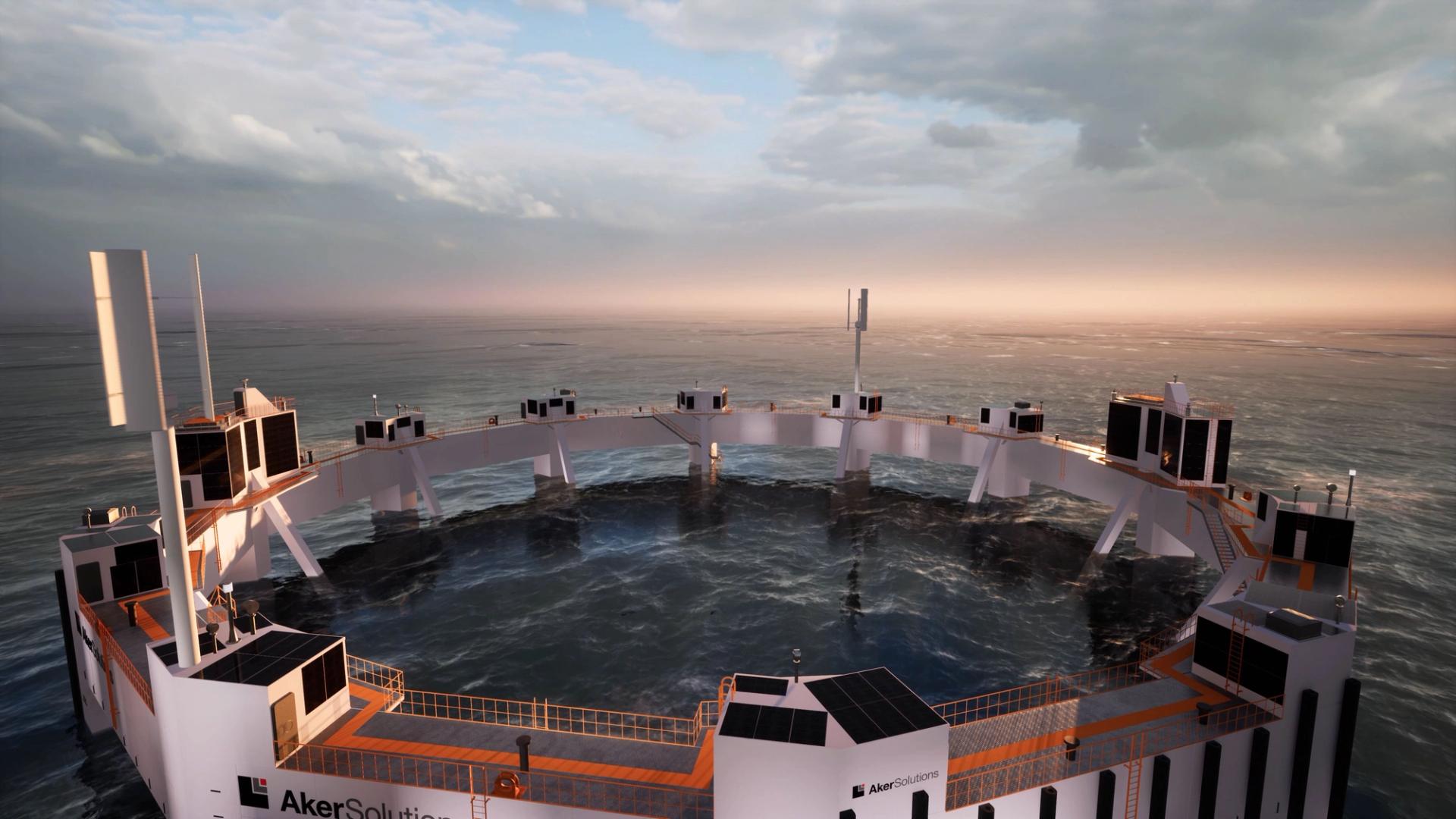
- Novel cage design inspired by decades of offshore engineering design and expertise, providing secure fish farming in all conditions
- Innovative solutions for fish welfare in both offshore and closed production systems
- Complete offering with transport & installation (T&I), mooring systems and site-specific adaptations
- Cage environment verified in design process through in-house CFD capabilities
Aker Solutions delivers next-generation aquaculture systems, engineered to safeguard fish health and growth. The systems feature novel cage design, intelligent control systems and patented solutions to ensure fish welfare throughout the lifecycle.
CHALLENGE
Sustainable aquaculture in changing ocean conditions
Global aquaculture is under mounting pressure. Operators must manage shifting ocean conditions, stricter regulatory demands, and an increased mixture of biological risk, such as exposure to sea lice, increased jellyfish issues and warming waters – all while meeting the rising global demand for sustainable seafood. This calls for reliable, secure and energy‑efficient fish farming systems that safeguard fish health and support long-term growth.
SOLUTION
Aker Solutions’ offshore‑engineered systems ensure stable, secure fish farming
Aker Solutions designs and delivers two advanced aquaculture systems.
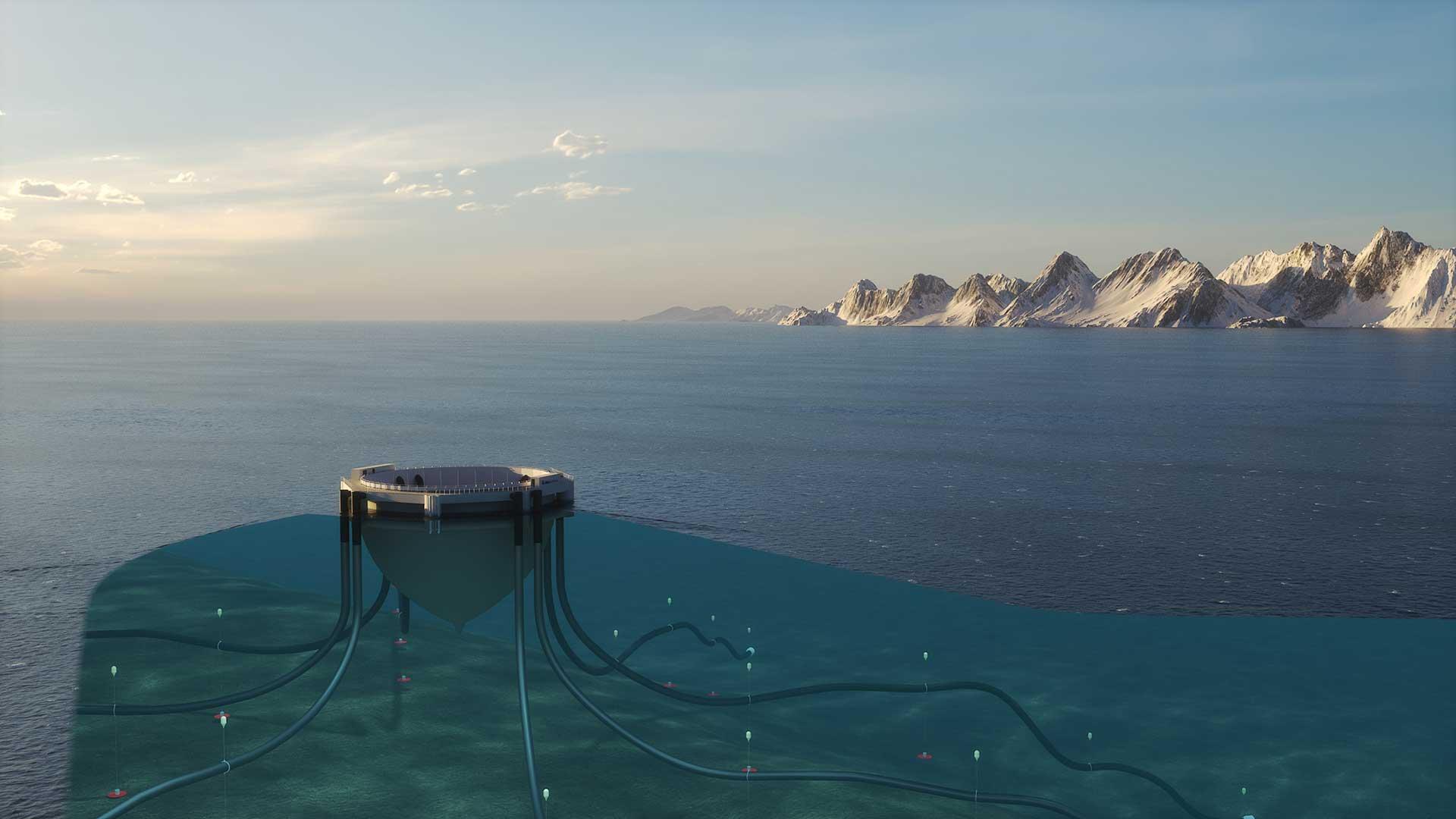
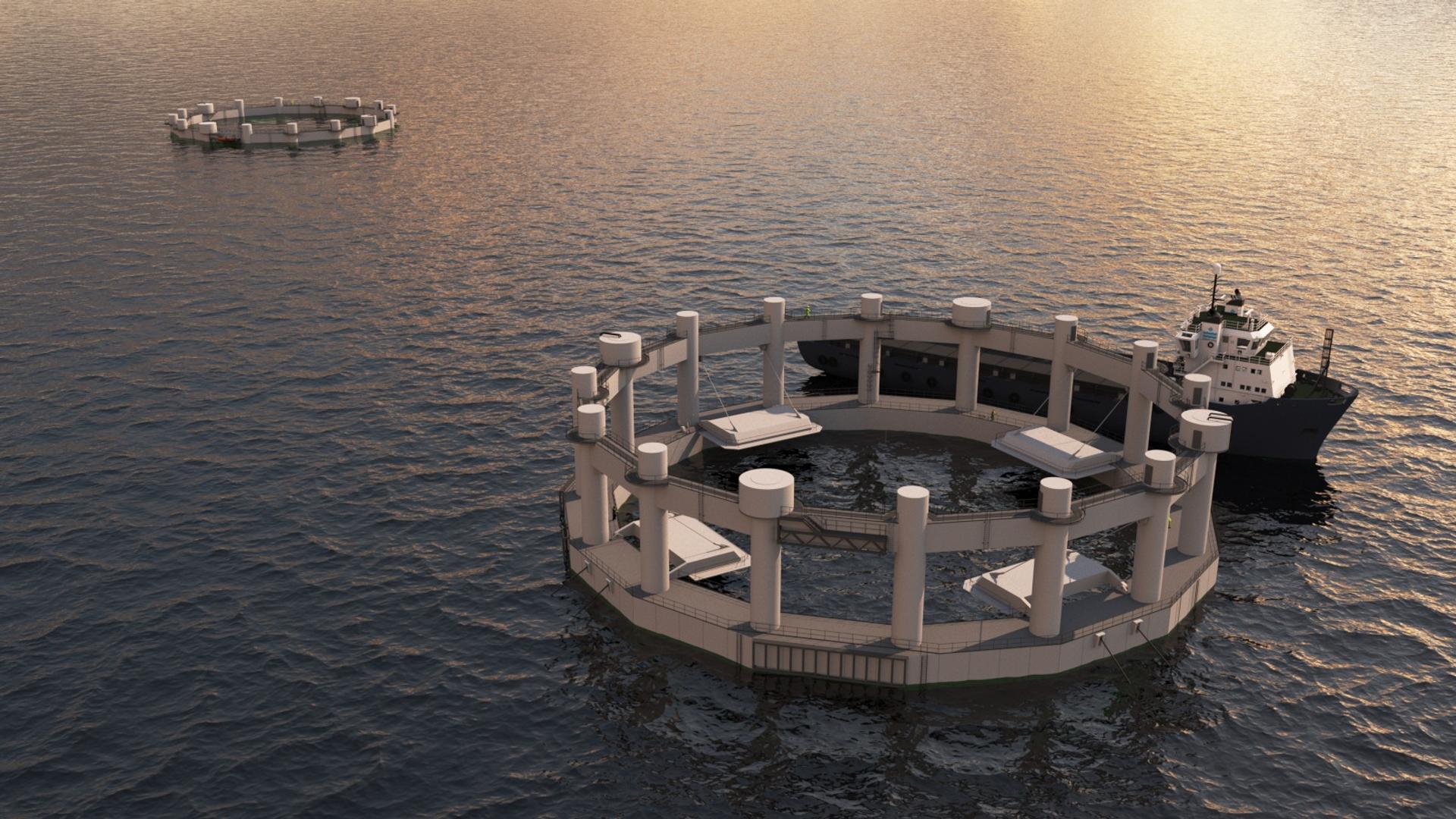
The Ocean Cage is a semisubmersible structure that is scalable and built to withstand heavy waves and harsh offshore weather. It features a robust double net barrier and remote monitoring and control for safe, predictable operations.
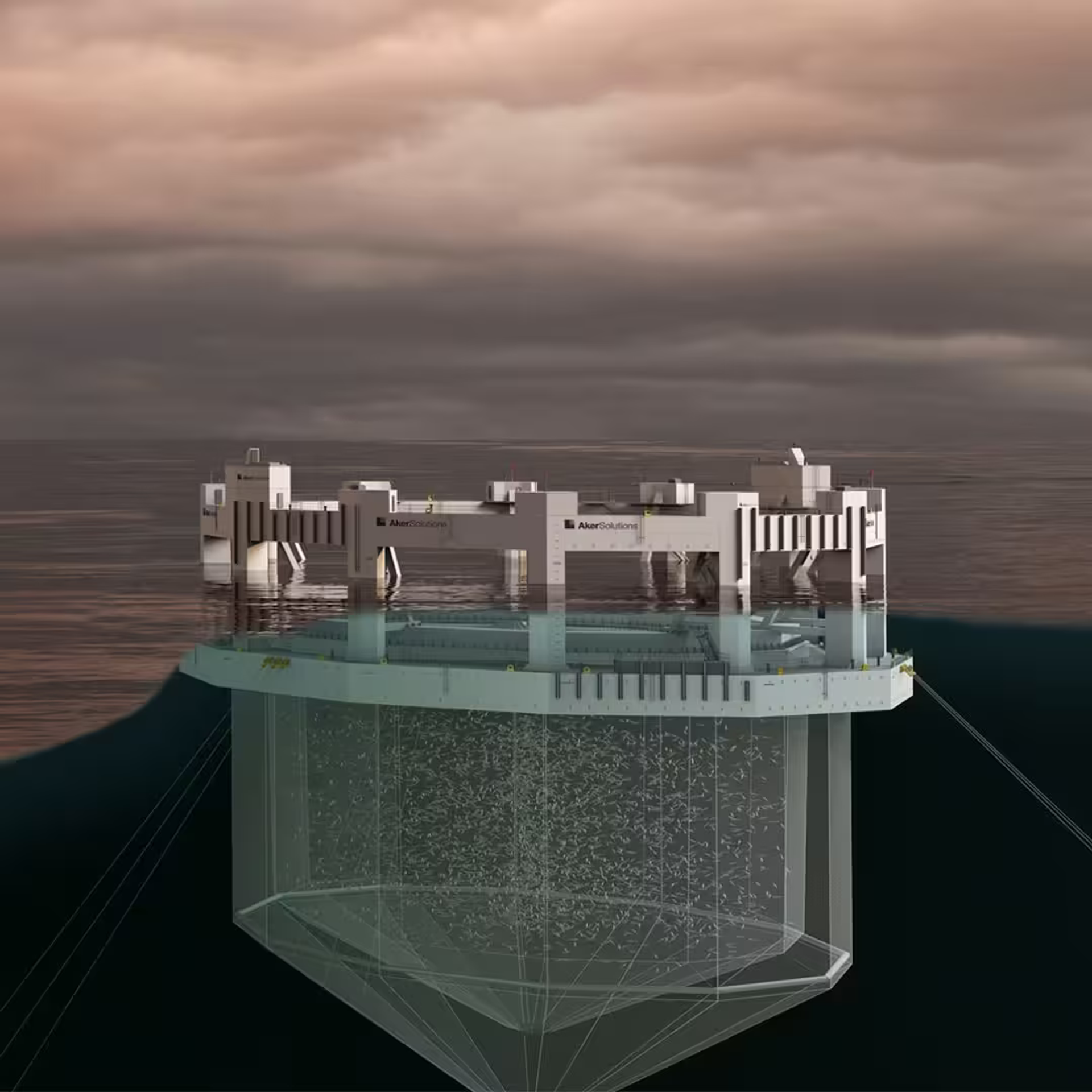
The Closed Cage has been engineered to recreate optimal living conditions for salmon, but is designed to be adaptable for all marine species. This is achieved through controlled deepwater intakes, stable temperature, enhanced hydrodynamics and automated early warning systems. Its membrane-based enclosure improves environmental discharge control, strengthens fish protection from biological threats and reduces operational risk.
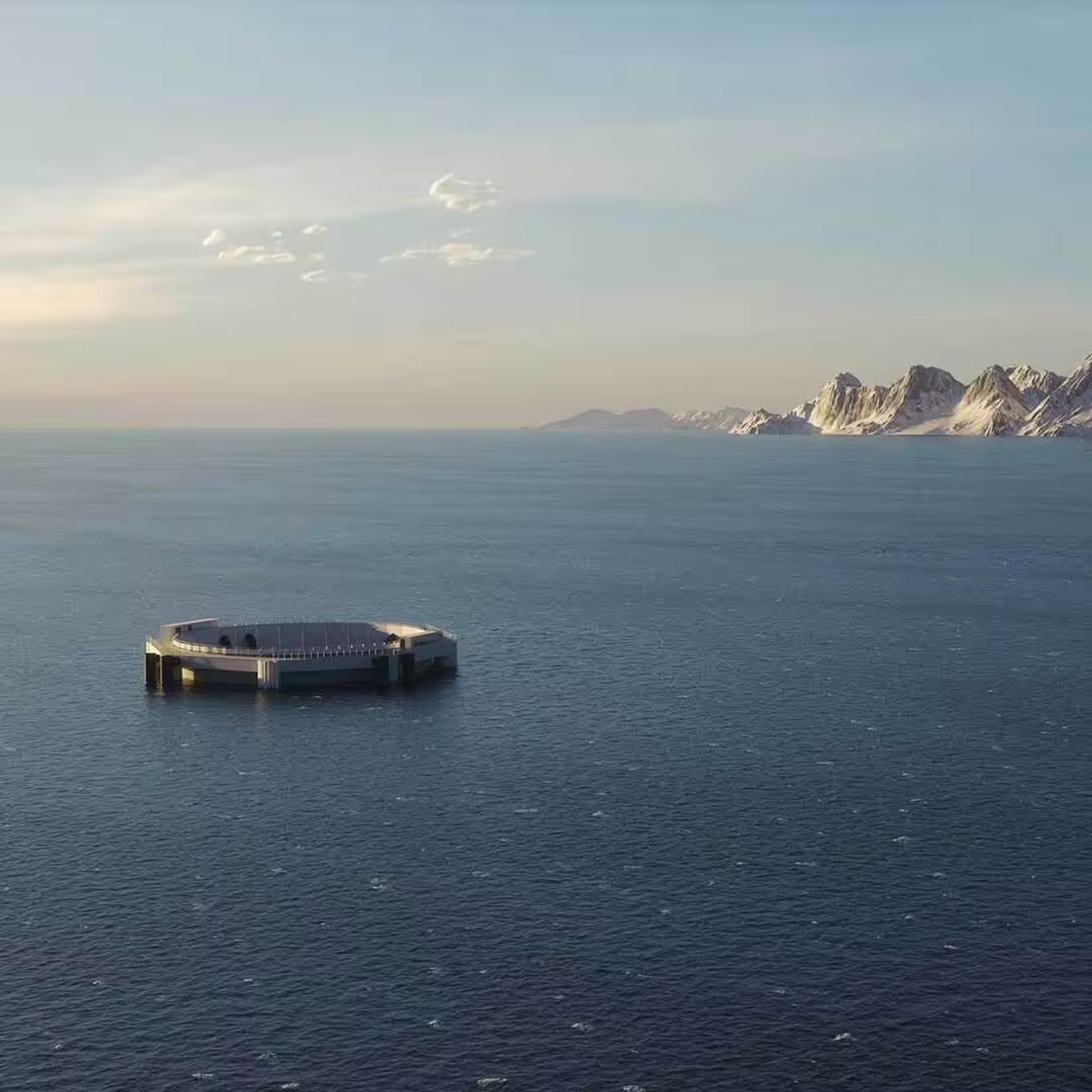
Both systems are based on decades of offshore engineering expertise and are optimised for industrial-scale fabrication and dependable long-term performance.
BENEFITS
Healthier fish, consistent production and less environmental impact
Aker Solutions’ aquaculture systems promote fish welfare, with potential for lower mortality and more consistent production through engineered water quality systems and strong physical protection.
MARKET POTENTIAL
A growing global sector driven by sustainable seafood demand
The global aquaculture market is expanding steadily as demand for responsibly produced seafood grows. Forecasts indicate the market is expected to break the 100 million metric tons threshold for the first time in 2027, reaching 111 million metric tons in 2032, with an overall growth of 17 per cent.
Key markets include Norway, Europe, North America and Asia‑Pacific, where innovation and sustainable practices are driving adoption.
Advancing the Sustainable Development Goals
 2. Zero hungerAker Solutions’ aquaculture systems support reliable, sustainable seafood production, thereby contributing to food security.
 12. Responsible consumption and productionAker Solutions’ aquaculture systems reduce environmental impact and energy use.
 14. Life below waterAker Solutions’ aquaculture systems help to protect marine ecosystems and prevent escapes.