Tilsig: From avalanche warning in Svalbard to measurement data for hydropower
Published 4 Nov 2026 · 6 min read
A Norwegian innovation makes important measurement data available – even where mobile coverage ends.
A dramatic avalanche set in motion the search for better data. The result is a Norwegian-developed tool that can give the hydropower industry and other stakeholders greater opportunities for measurements – and a better basis for safe decisions.
Now the D3 data logger from Tilsig has been awarded the Made in Norway label.
“Our ambition is to make it possible to collect reliable measurement data from demanding environments and meet specific needs out in the field, so that users get the insight they need to make good decisions. ”
Tuva Holmen
CSO at Tilsig
For Tilsig, the story began with a dramatic event. An unexpected avalanche struck Longyearbyen in December 2015 and claimed two lives. This event highlighted the need for better knowledge of the forces of nature. Measurements could help build an understanding of the conditions that lead to avalanches, and provide a better basis for reducing the consequences of future events.
When existing solutions fell short
But the measurement equipment available at the time was expensive and did not work well enough under demanding Arctic conditions. If the equipment failed during the winter, important measurements could be lost. For the data to have value as a basis for decisions, both the equipment and the measurements had to be reliable.
The question therefore became not just how to measure more, but how to develop a solution that worked reliably over time – without costs and complexity becoming unnecessarily high.
The answer would come from local expertise and Norwegian technology development.
In the aftermath of the avalanche, a collaboration emerged with, among others, Telenor Svalbard and the University Centre in Svalbard (UNIS) to develop measurement equipment adapted to these conditions. Wireless technology with low power consumption would make it possible to collect environmental data using less expensive and complicated equipment.
The work became part of the foundation for what later developed into Tilsig AS.
From avalanches in Svalbard to measurements in Norwegian watercourses
Over time, it became clear that the need for reliable measurements extended beyond natural hazards and avalanche warning. An industry with a continuous need for
insight into the forces of nature was ready to take the technology further: hydropower.
The expertise from Svalbard was therefore carried forward into solutions for hydropower and water management. But here too, there was a practical challenge: Many of the places where power producers need measurements have no access to electricity or mobile coverage.
The need for information was there, but establishing the measurement points could be difficult or expensive. How would the data get through? How would the equipment be kept running? And how could it be made easy to carry out and install?
These questions became the starting point for D3.
D3 makes measurement points without coverage accessible
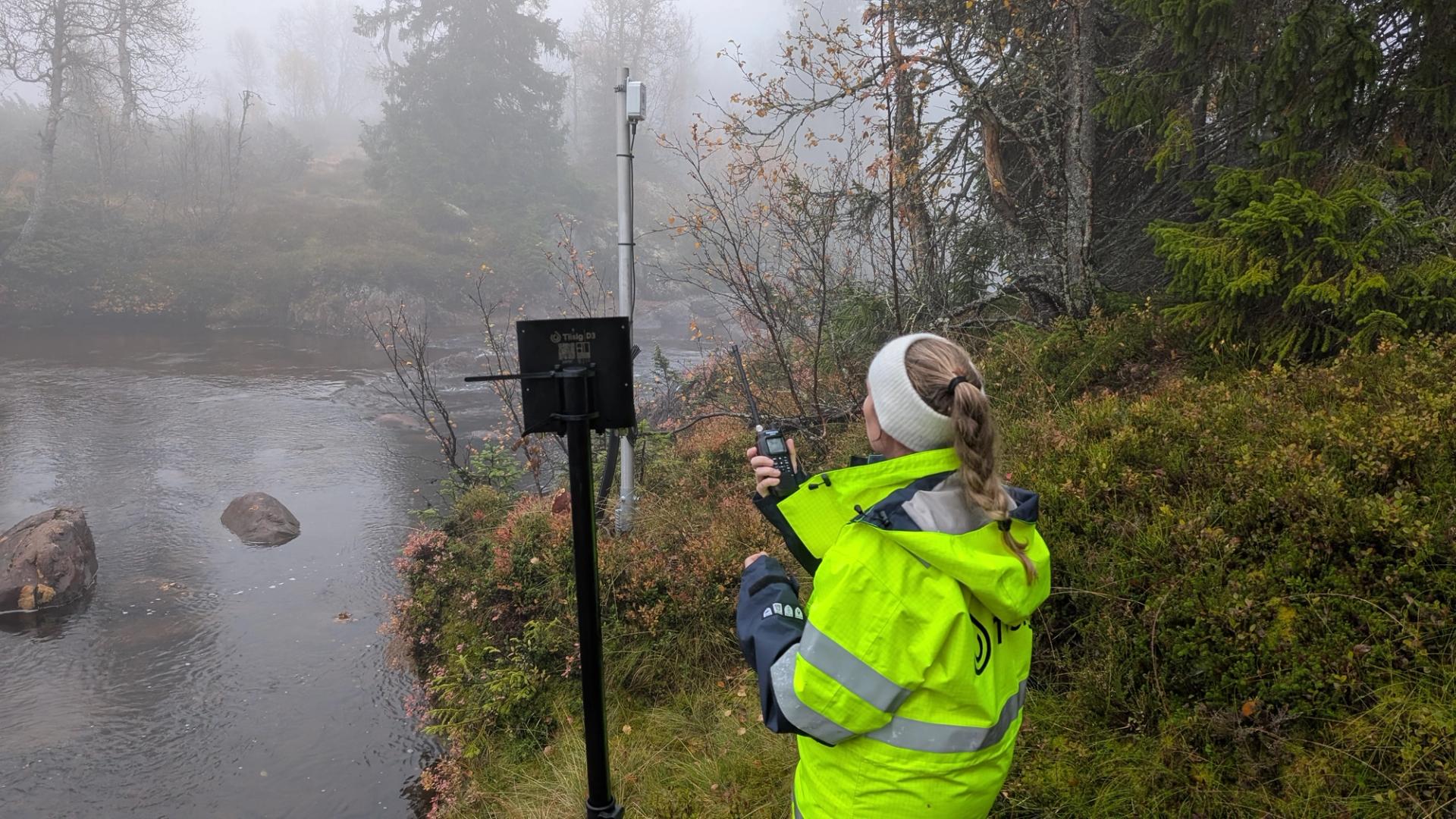
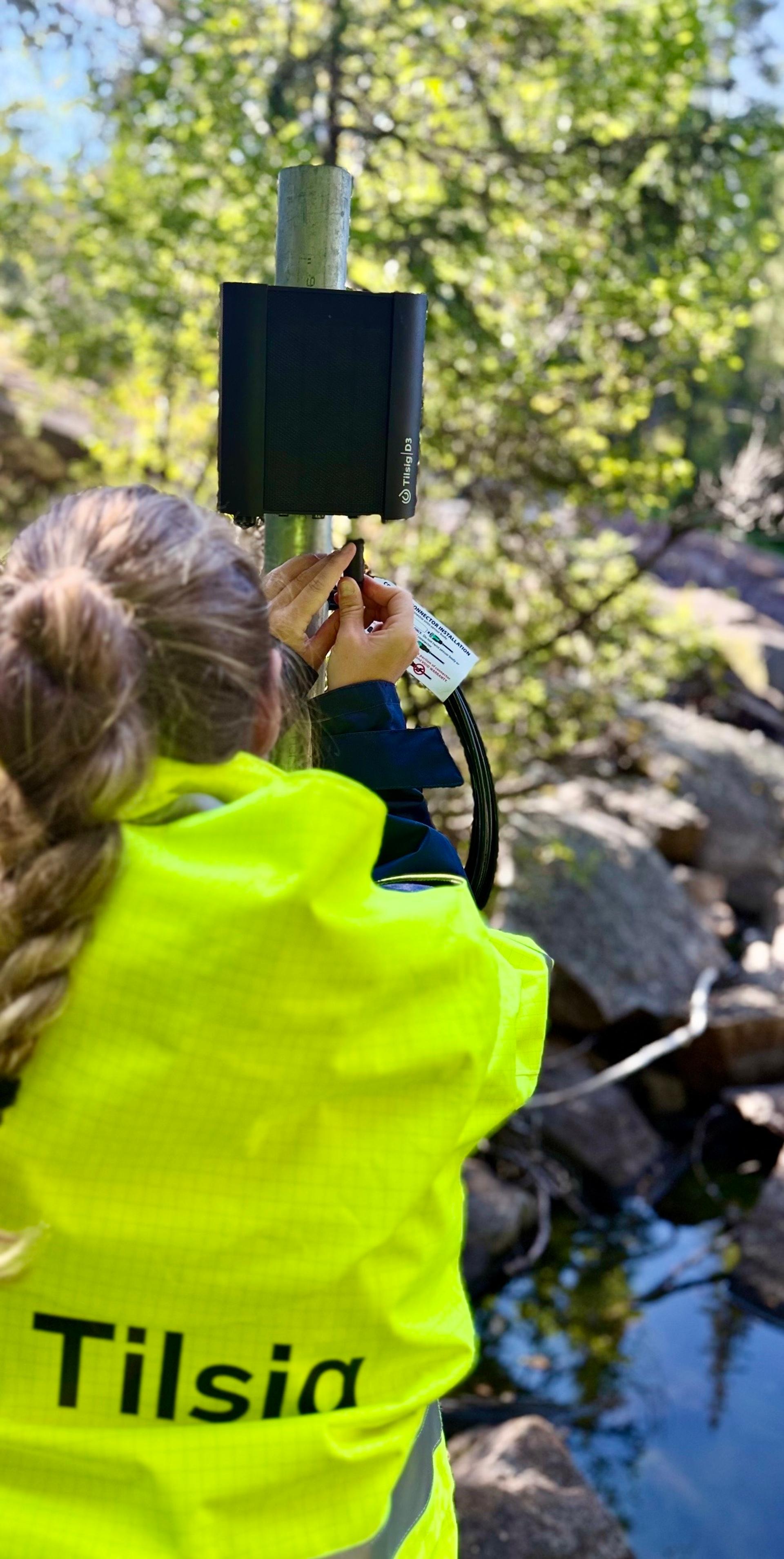
Tilsig developed the D3 data logger, its latest innovation, for precisely these challenges. D3 combines Tilsig’s unique mesh technology with an integrated battery and solar panel for low power consumption.
The mesh technology makes it possible to transfer measurement data wirelessly between units. If the measurement point is outside mobile coverage, another D3 unit can be placed higher in the terrain, where the mobile network is available. Thi
s acts as a coverage extender and forwards the data to Tilsig’s digital portal or the customer’s own systems.
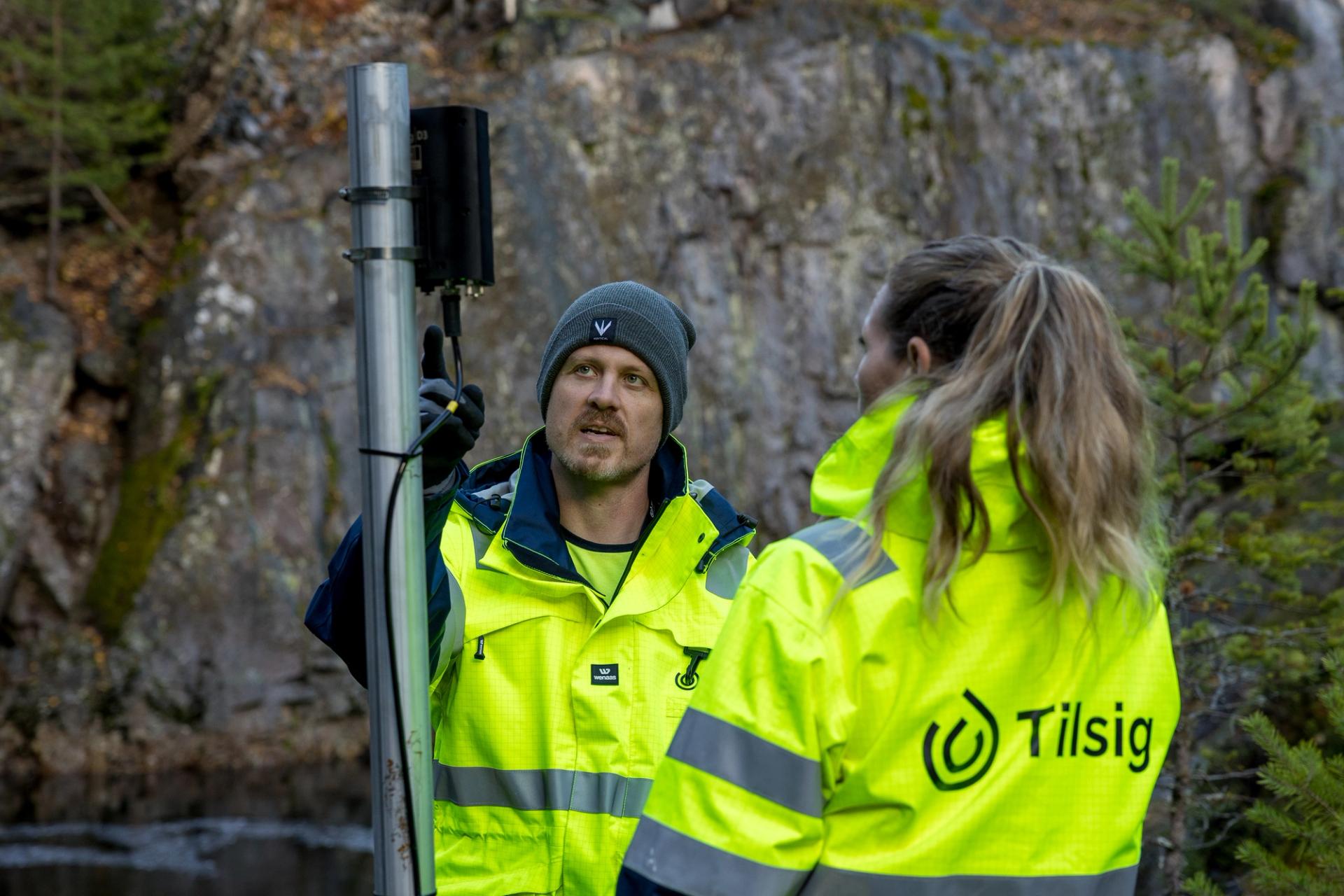
“An important feature is that the same D3 unit can function as both a data logger and a coverage extender. The role is determined through software settings, without the need for different hardware,” says Jon Tiller, CTO at Tilsig.
The battery and solar panel allow the unit to operate without an external power supply. At the same time, D3 is designed to be small, easy to carry out and easy to install. This matters when the measurement point is far from a road, and there is a desire to reduce the need for manual follow-up.
This distinguishes the solution from traditional data loggers and makes it easier to establish measurement points where a lack of electricity and coverage has previously been an obstacle. For organisations with measurement needs in remote areas, it can reduce the need for extensive infrastructure.
Better knowledge of the water leads to better decisions
For hydropower producers, information about water levels, inflow and other hydrological conditions is important for planning production and utilising available water resources.
Measurements from watercourses, reservoirs and other relevant points provide a better data foundation for hydrological models, forecasts and production planning. When producers can track developments over time, they are better placed to understand changes and assess how water resources should be managed.
The value therefore lies not only in establishing more measurement points, but in obtaining reliable information from the places where it is needed. Good water management matters for energy production, economic value creation and societal safety.
This also places demands on how the information is handled. Tilsig emphasises safe and secure data transmission, controlled access to information and high operational reliability.
“Security is built into the system from the component level up,”says Per Gunnar Hansø, programmer at Tilsig. “All critical components come from Norway or countries with which Norway has security cooperation”.
The technology is developed in Norway and has now been awarded the Made in Norway label. The label highlights the Norwegian origin of the D3 data logger and Tilsig’s work on quality, security and sustainable value creation.
“I am certain that the origin of technology will become increasingly significant, particularly within critical infrastructure. Made in Norway gives us a clear stamp of quality that will become an increasingly important competitive advantage, both in Norway and internationally,” says Jon Tiller, CTO at Tilsig.
Development continues out in the field
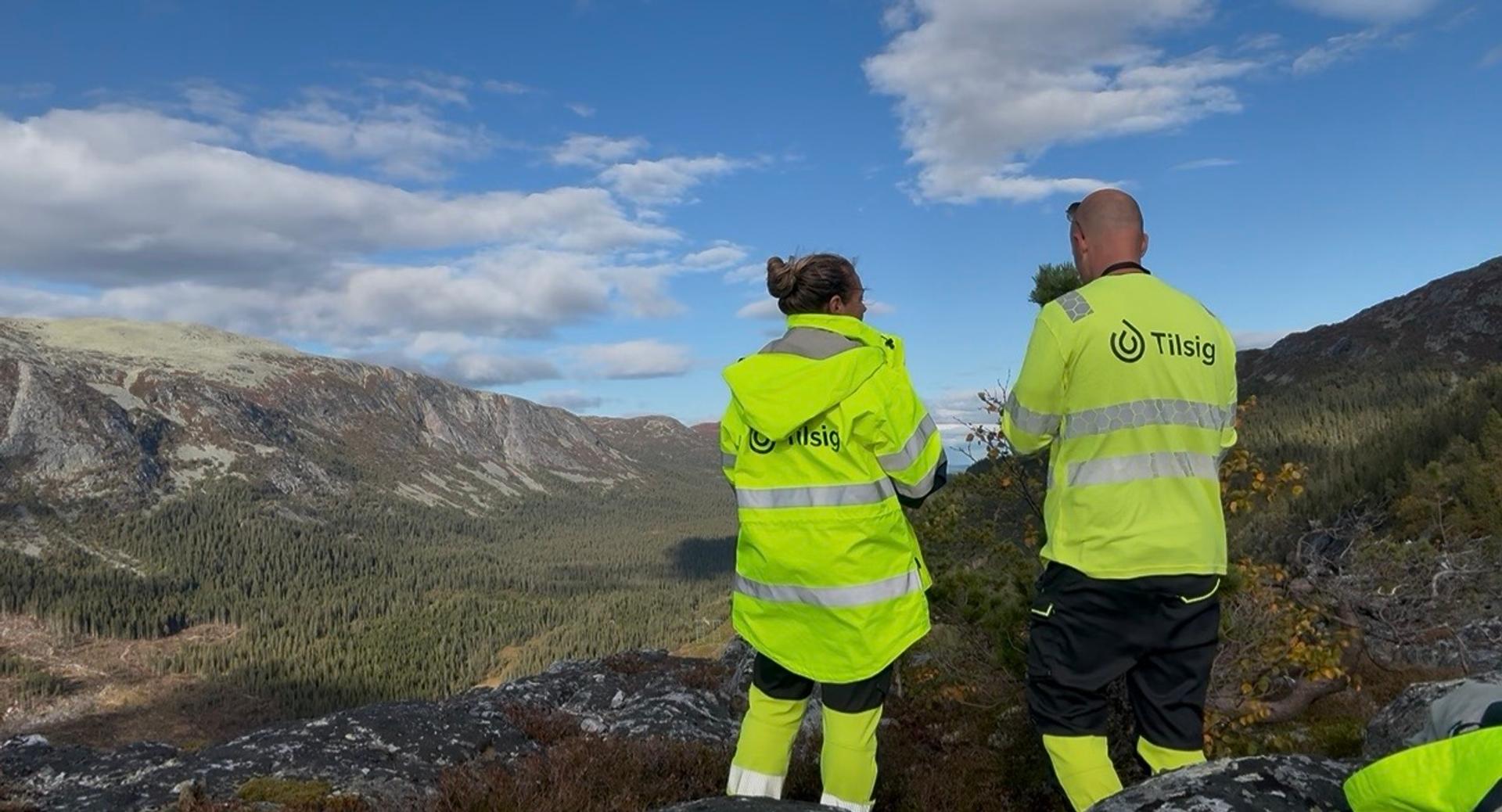
Long distances, steep terrain, low temperatures and changing seasons place high demands on the equipment. That is why development at Tilsig does not take place only in front of a screen.
The employees work out in the field, together with customers and at the locations where the solutions will be installed. When equipment has to be carried into the mountains or installed by a watercourse, size, weight, battery life and ease of installation become very important.
The experience is brought back into product development. The combination of technological expertise and a practical understanding of conditions out in nature thus shapes both the design and the further development of the solutions.
This combination of technological expertise and practical experience shapes the solutions.
One need led to several applications
The development of Tilsig’s technology shows how a specific societal need can become the starting point for technology used across industries. What began with a desire for better understanding after a dramatic event has opened up new opportunities for monitoring and operations in hydropower.
In addition to hydropower, Tilsig’s solutions are used to monitor water quality. Sensors can detect changes in the properties of the water before, during and after measures in watercourses. Users can track developments and receive alerts at defined threshold values.
The technology can also contribute to better flood preparedness. In an area at risk of flooding, Tilsig has established a solution with a water level sensor and a camera. Those responsible for management can monitor the water level in real time, view historical measurements and receive alerts at predefined levels. This makes it possible to take measures in time before the water has destructive consequences.
“The solution shows how sensor technology and available measurement data can be used as decision support in municipal emergency preparedness,” says Tuva Holmen.
For the team at Tilsig, it is motivating to see how technology developed for one need proves useful in several areas.
The need for reliable measurement data also exists outside Norway, in many places with even more limited access to electricity and mobile coverage. Experience from Arctic winters and Norwegian watercourses can therefore have value in new markets.
The story of Tilsig shows how experience from one demanding situation can become technology that creates value far beyond the original need.
Together with its customers, Tilsig has found simpler and more affordable ways to get started with measurements. The company looks forward to building on this together with new customers.
- TH
Tuva Christin Holmen
CSO
- Read more about Energy
- Read more about Technology
- Part of Made in Norway

