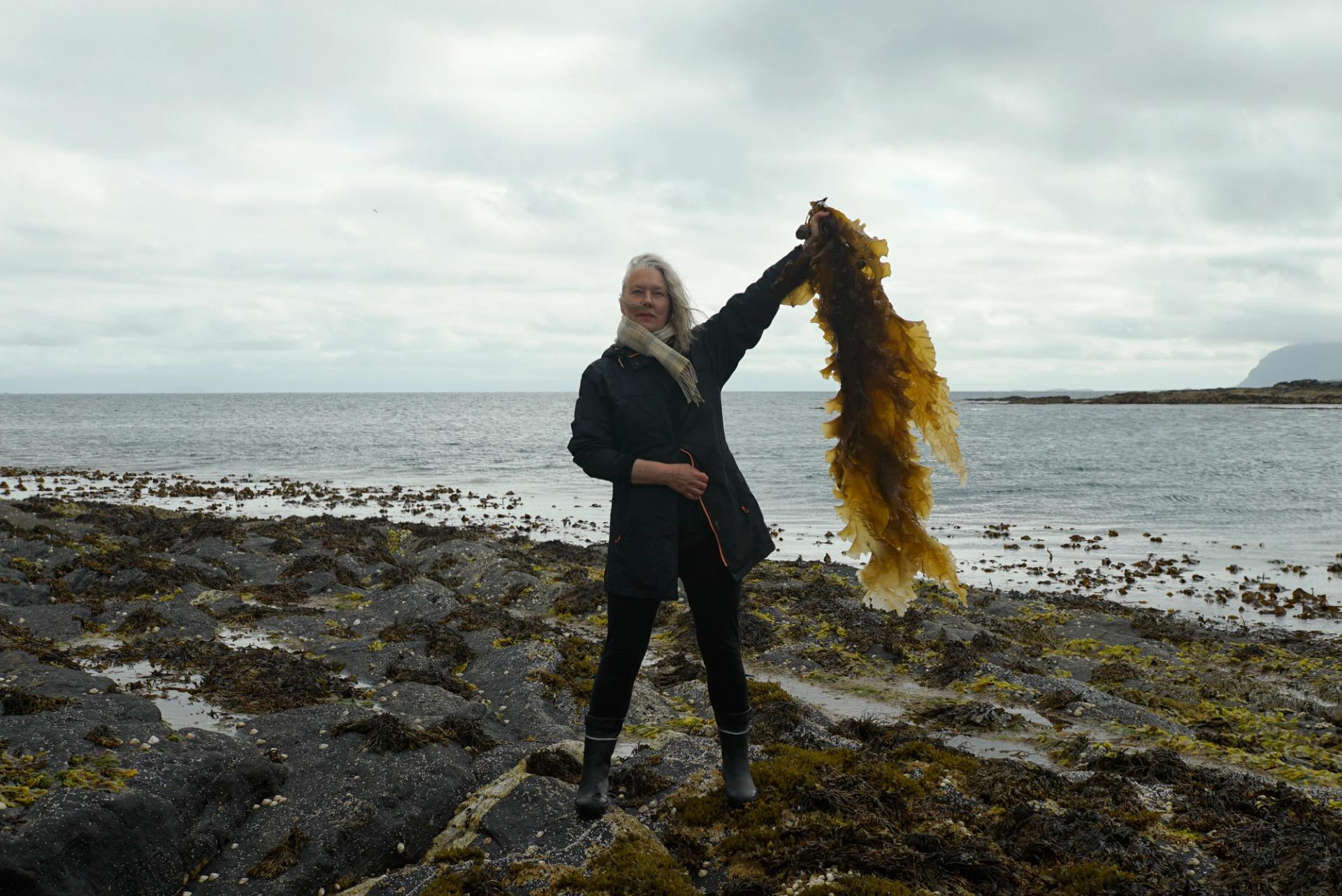
Norway is building an emerging seaweed industry
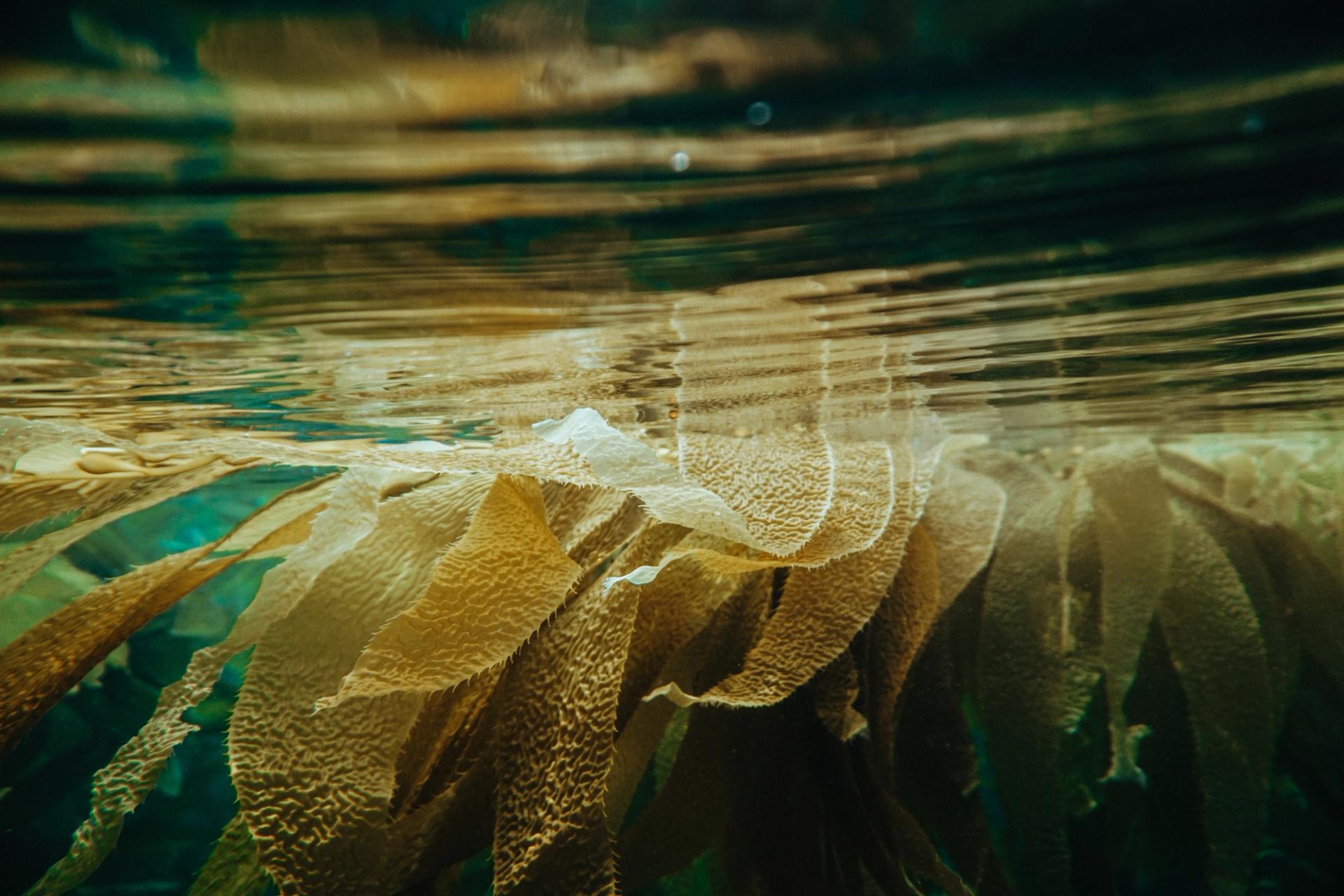
From wild harvesting and farming to seed production and food products, Norwegian companies are part of an emerging industry that could play an important role in future food systems and in creating a sustainable European seaweed industry. While production volumes remain modest today, Norway offers world-class aquaculture expertise, favourable growing conditions and a small, yet diverse ecosystem of companies and research centres working to unlock the potential of seaweed.
“The brown seaweed growing along the Norwegian coastline is better than seaweed from any other place because Norwegian seas are relatively clean. Seaweed also thrives best in cold waters with strong ocean currents, just like those found in Norway,” says Zoe Christiansen, founder and CEO of The Northern Company.
Feeding more people with fewer resources
The global population of 7.6 billion is expected to grow to some 9.8 billion by 2050, meaning that the world will need to feed an additional two billion people. Yet today, 98 percent of the world’s food still comes from farming on land. Agriculture is also responsible for 10 to 12 per cent of global greenhouse gas emissions and remains a major pressure on biodiversity.
Meanwhile, oceans cover more than 70 per cent of the Earth’s surface and contain vast reserves of nutrient-rich marine biomass. Seaweed absorbs carbon, nutrients and heavy metals, supports marine food webs, and provides habitats to a variety of marine organisms.1 Seaweed can be used as food, feed, and in bio-based materials and renewable alternatives to fossil-based products.
Moreover, seaweed farming does not rely on farmland, feed, fertilisers (at least on small farms), antibiotics or pesticides, and aligns with many of the UN’s Sustainable Development Goals. In Europe, therefore, at current production levels, seaweed farming is regarded as a sustainable blue economy, with minimal negative impacts, and plays a key role in the EU’s strategic guidelines for sustainable aquaculture.2
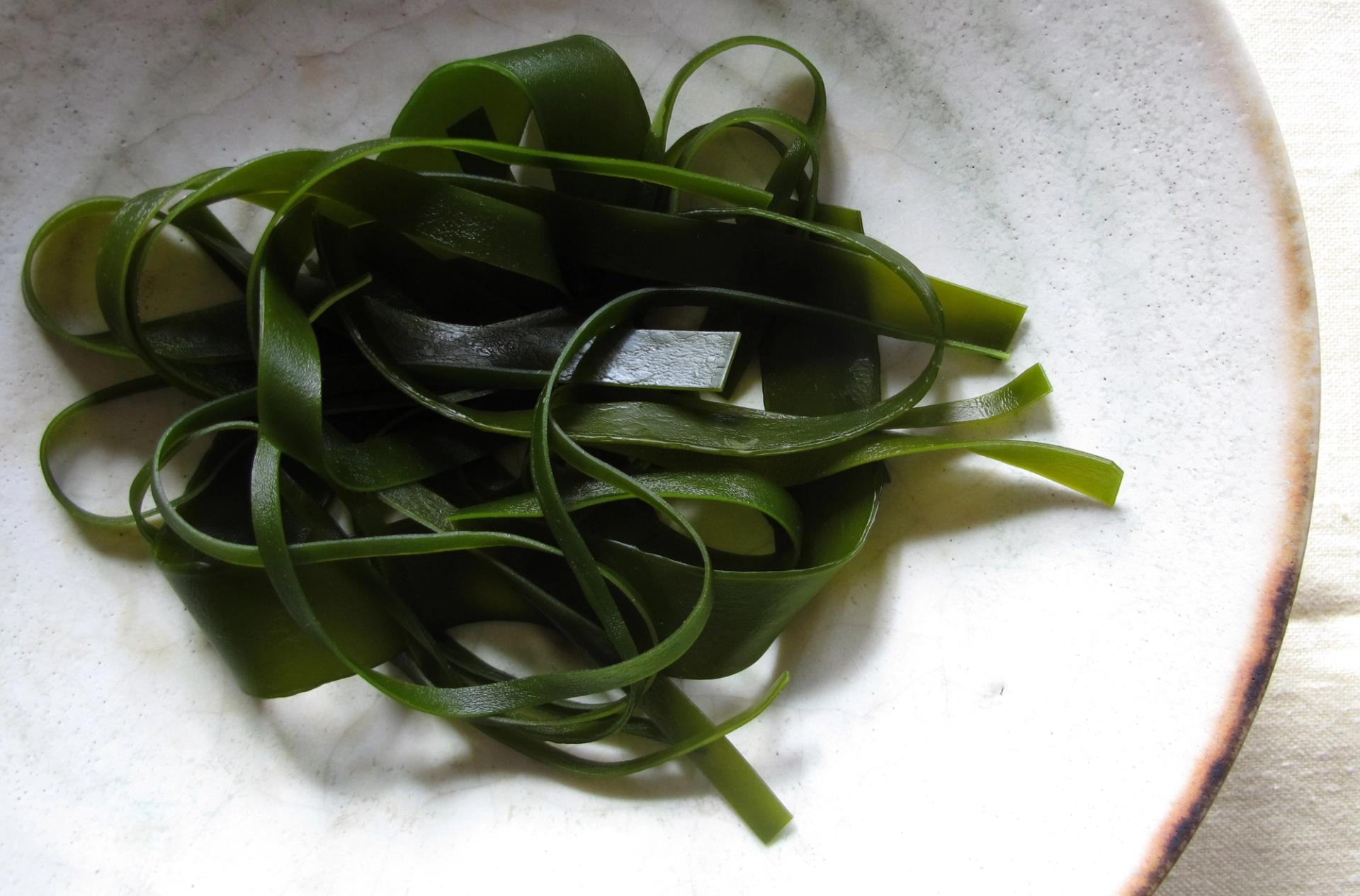
A nascent seaweed industry with a strong foundation
Norway has a leading position in Europe’s seaweed production, with 44 seaweed-related companies. Production is primarily based on wild harvests of 150 000–200 000 metric tons annually of the brown seaweeds Laminaria hyperborea and Ascophyllum nodosum to produce alginate. Commercial cultivation remains relatively small, with a peak production of 600 metric tons in 2023. The most widely cultivated species are sugar kelp (Saccharina latissima) and winged kelp (Alaria esculenta).3
Production capacity is developing faster than commercial uptake, illustrating both the opportunities and challenges facing the sector. Nevertheless, many fundamental elements of an industry are already in place.
Norway has established much of the infrastructure needed for long-term growth. The industry organisation Norwegian Seafood Cluster brings together companies across the value chain. Research environments like Norwegian Seaweed Centre and the soon-to-be-established Centre for Research-based Innovation on seaweed, both led by SINTEF Ocean, are advancing cultivation, processing and industrial applications. Companies, too, are moving towards greater specialisation in breeding, cultivation, harvesting technology, processing and product development.
Industry observers often compare the sector to Norwegian salmon farming in its early years. Resource availability is not the challenge. The challenge is developing the technologies and markets required to scale production efficiently and profitably.
Norway’s competitive advantage
Norway offers an exceptional combination of clean coastal waters, strong ocean currents, marine research expertise and industrial aquaculture experience.
Seaweed is rich in vitamins and micronutrients, and some species contain more protein than meat and more calcium than milk. Seaweed farming can also improve water quality by absorbing nutrients and reducing ocean acidity through carbon uptake, albeit on a smaller scale than wild kelp forests.4
The long-term potential is substantial. According to Vegar Johansen, CEO of SINTEF Ocean, Norway could produce more than 20 million metric tons of macro- and microalgae by 2050, creating a market worth more than USD 4 billion.5
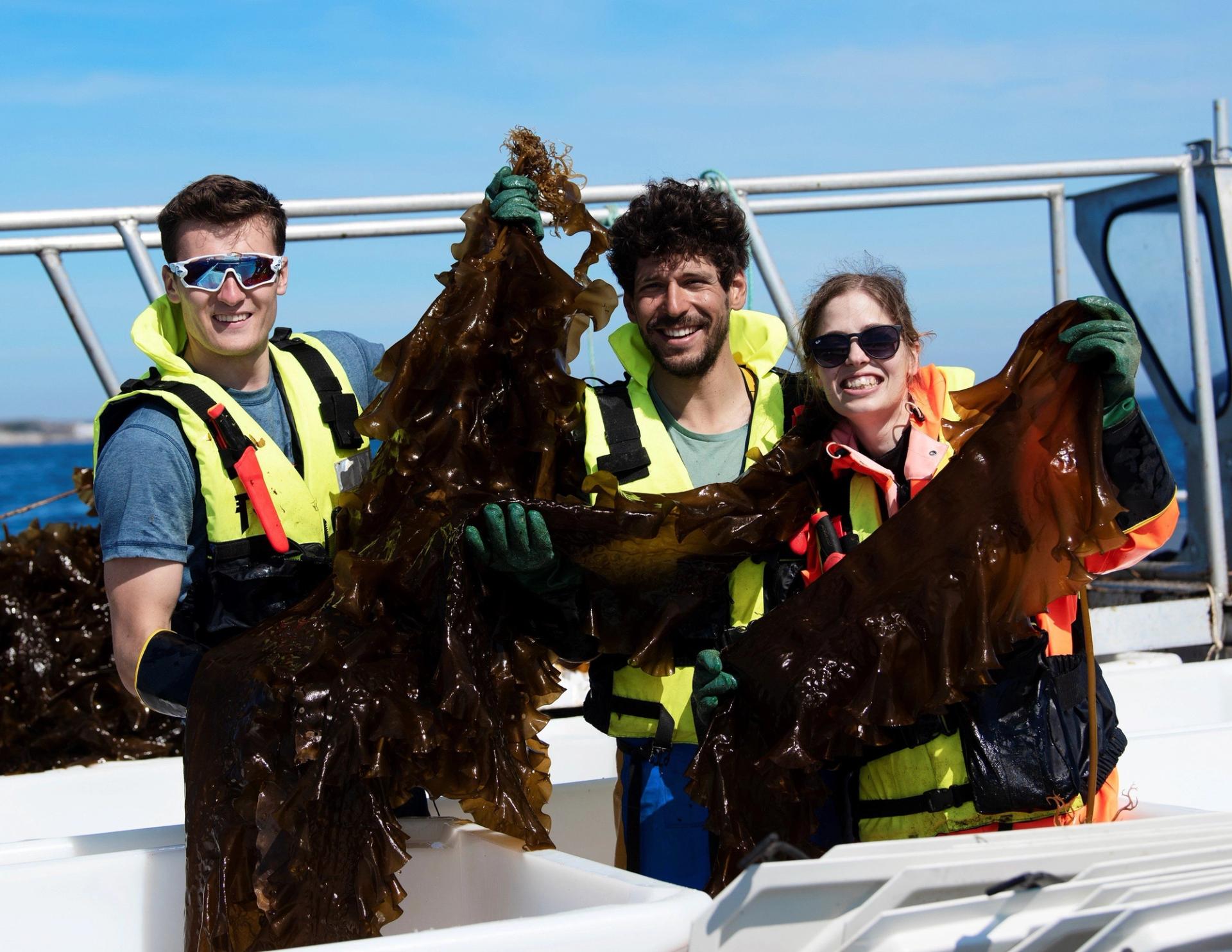
Working to scale the seaweed industry
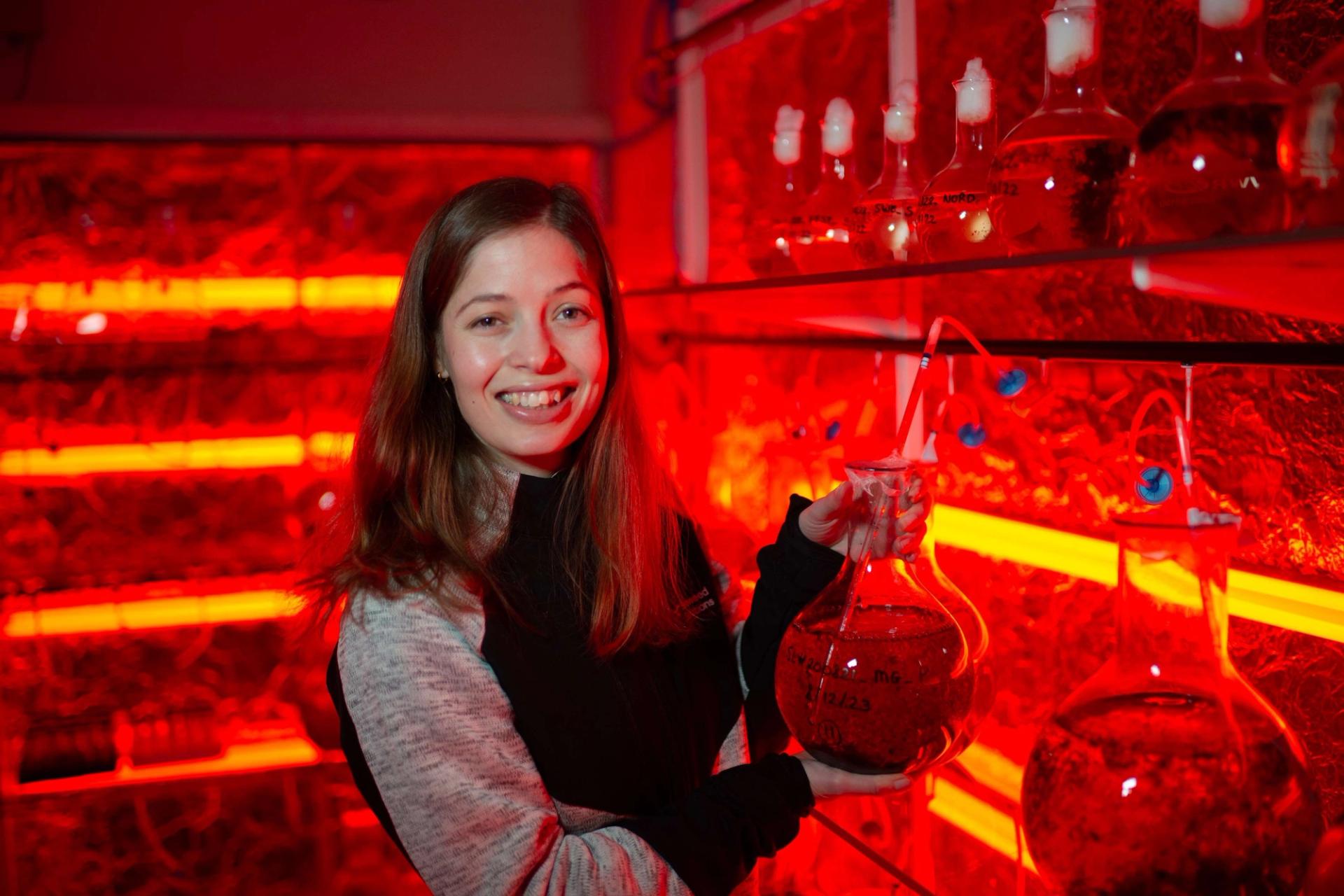
Seaweed Solutions is one of Norway’s pioneers in cultivated kelp production.
“Kelp is one of the world’s largest renewable and sustainable biomasses, requiring only sunlight and nutrients naturally found in seawater,” says Maren Sæther, Head of Business Development and Innovation at Seaweed Solutions.
The company has developed expertise across the value chain, including seed production, juvenile plant cultivation and commercial farming operations. It now focuses heavily on producing kelp seeds and developing mechanised production methods that could accelerate growth across the wider industry.
Sæther calls these new mechanised methods “essential if we are to scale what could become a profitable new industry along Norway’s coastline.”
Creating markets for seaweed
As the industry develops, companies are increasingly focusing on specialised parts of the value chain rather than trying to cover cultivation and processing as well as market development. This trend is often regarded as a sign of industrial maturation.
A number of Norwegian companies are creating value from seaweed across food and ingredient markets. The Northern Company, for example, sustainably harvests wild kelp and other seaweed, while Lofoten Seaweed develops consumer products that help to bring seaweed into everyday diets.
However, the potential application areas for seaweed are much wider. Researchers and companies are exploring how seaweed can be used not only in food production but also in textiles, biofuel, feed, biostimulants and plastic alternatives.
“The potential lies in the fact that it is an extremely sustainable resource that can be used for very many purposes. Today, it is probably easiest to use seaweed in food. But seaweed can also be processed into biofuel, fibres for the textile industry and alternatives to plastic,” says Zoe Christiansen.