Norwegian maritime industry is charting a cleaner course
Published 8 Dec 2025 (updated 25 Mar 2026) · 5 min read
Norway relies heavily on its maritime industry – from its historic bustling fishing villages and shipyards to modern, innovative maritime technologies.
Shipping services and fisheries account for 10-15 per cent of the country’s GDP, and more than half of Norway's exports come from the maritime sector.
Europe’s northernmost country is deeply connected to the sea.
It not only provides tourism, but is an extension of its economy, infrastructure and communities.
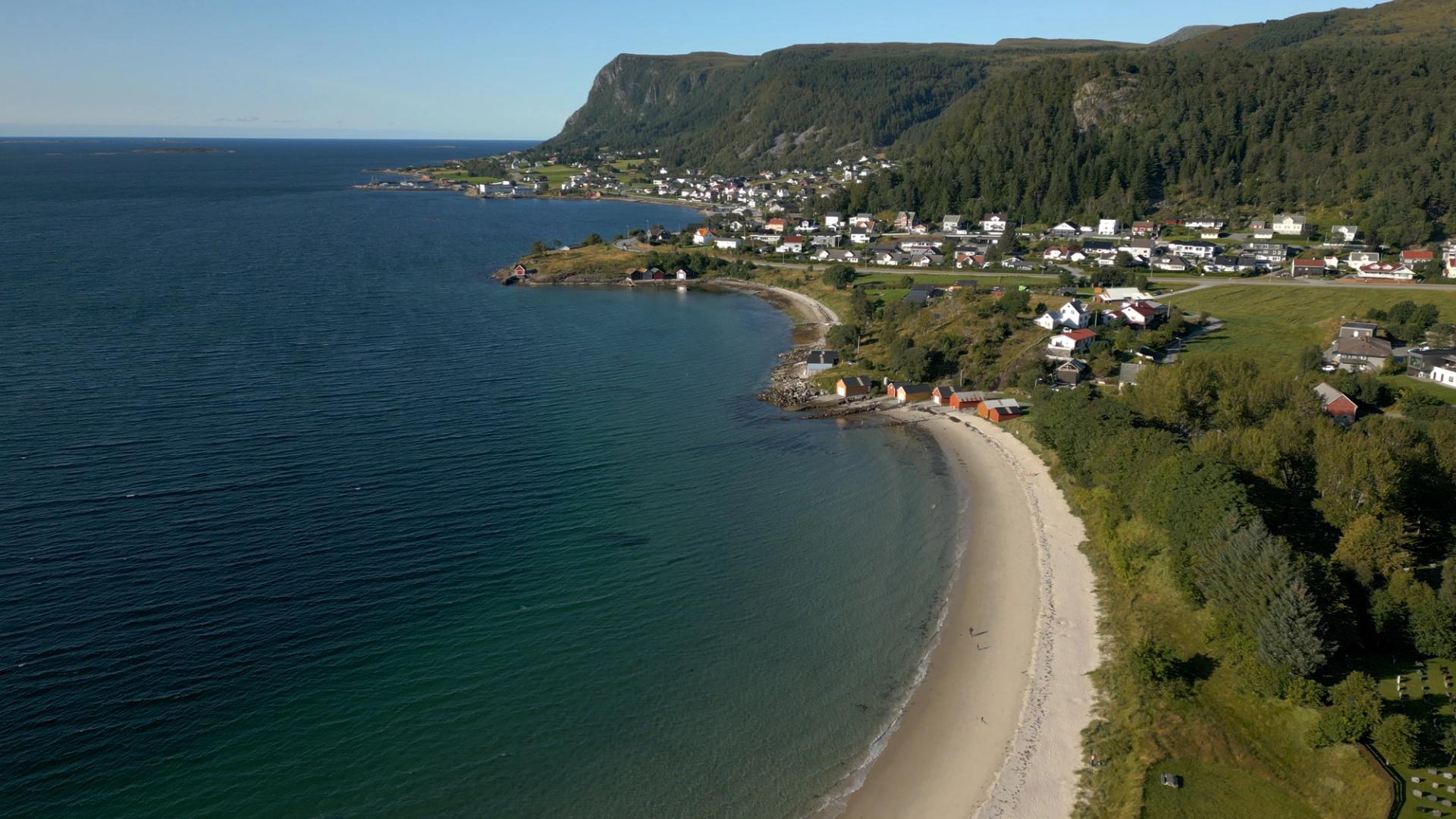
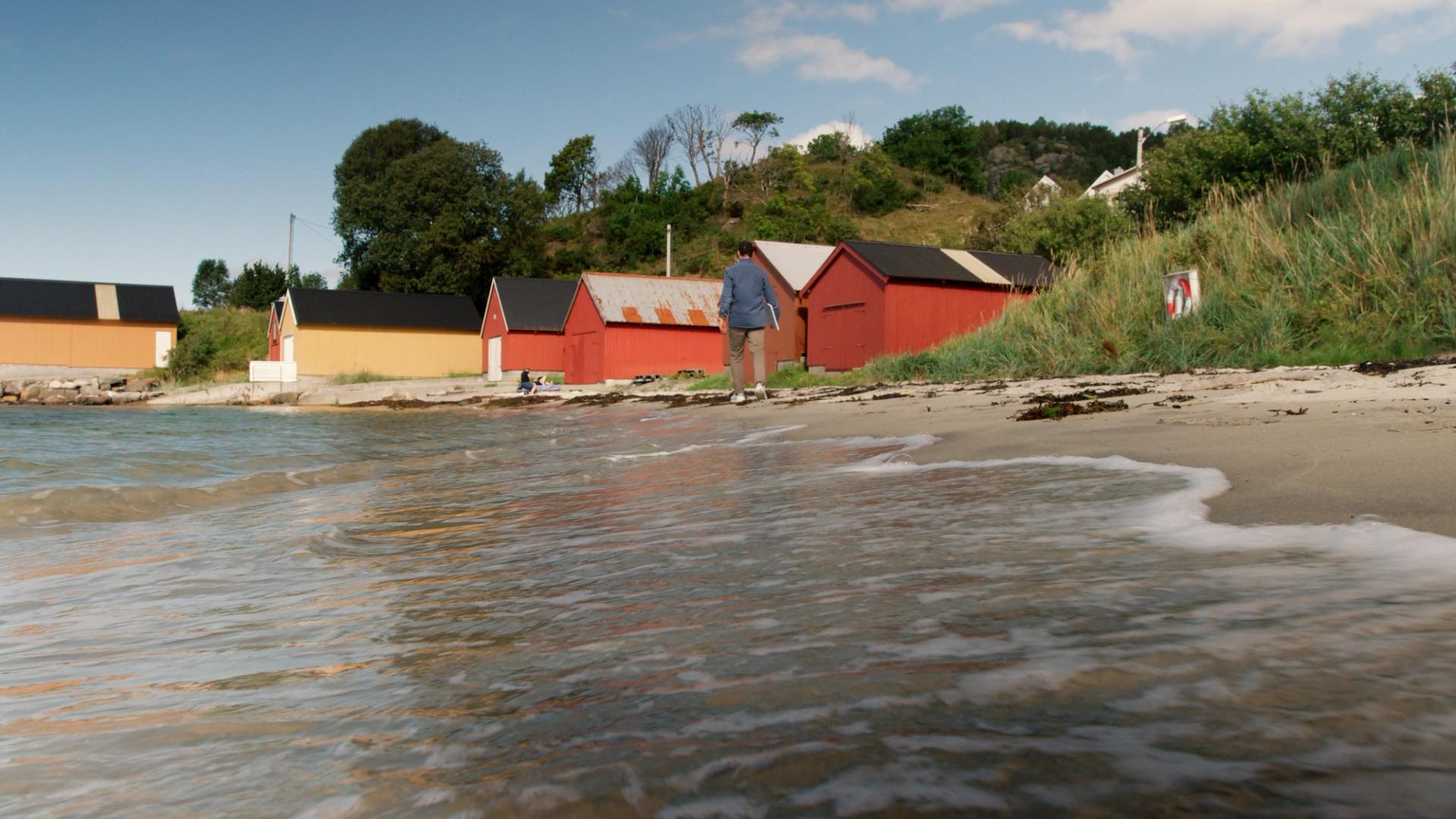
Boasting an extensive coastline that reaches over 60 000 miles (100 000 km) shaped by stunning fjords, inlets and islands, Randi Johanne Sæther Bakken’s imagination was captured by the sea. Sæther Bakken, a Havila Voyages maritime trainee, grew up along the coast of Norway.
“Being close to the ocean and the west coast maritime cluster meant I got a natural introduction into the maritime industry early on,” she says.
Norway’s curving shores are an asset to both its residents and visitors. However, despite the shipping industry’s importance its impact on global greenhouse gas emissions remains significant. It contributes to around 3 per cent of global emissions and with global emissions continuously on the rise, most Norwegian maritime companies collaborate through maritime clusters to create effective solutions which address the need to reduce ships’ greenhouse gas emissions. This aligns with the International Maritime Organization’s ambition to reach net-zero greenhouse gas emissions from shipping by 2050.
Maritime clusters benefit industry partners and offer students like Sæther Bakken insight into the opportunities that they could one day pursue. Sæther Bakken, like many others in the industry, seeks to preserve Norway’s traditional seafaring values.
She recalls this aspiration beginning in high school. It was there that she participated in a ship design project where she and her classmates were partnered with a local shipyard, whose expertise provided them with a solid foundation in the logistics involved in ship design. “It was a whole new world for me,” she says.
With a background in mechanical engineering, Sæther Bakken now focuses on data collection at Havila Voyages. From fuel consumption to nautical miles to the temperatures on board, she collaborates with the vessels’ crew to understand how they can continue to lower the ships’ various emissions.
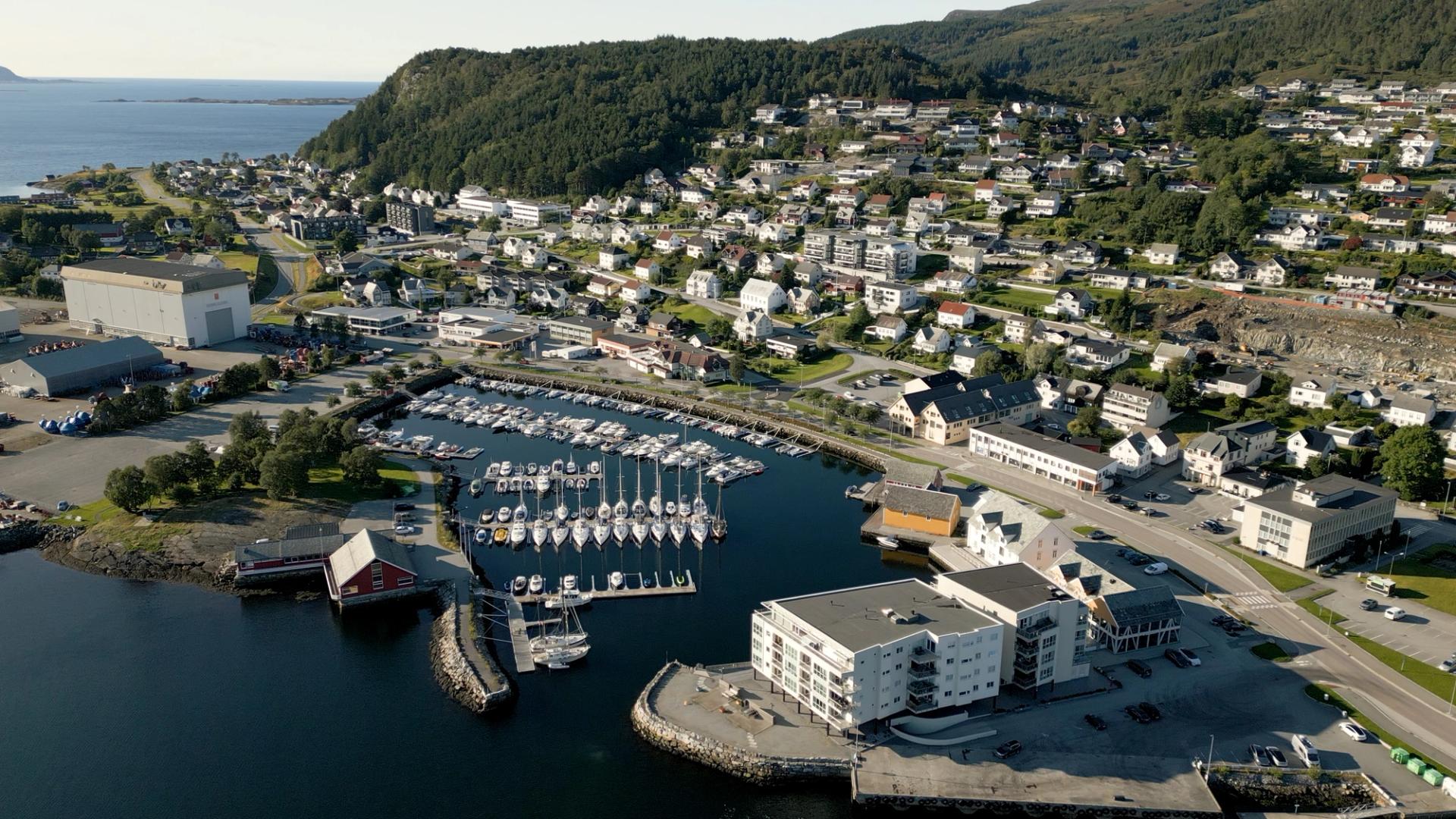
Norway is renowned for both its nationwide and regional, well-established maritime clusters – a model that brings together shipowners, shipyards, suppliers, research institutions, design firms and government/regulatory entities to collaborate and create pioneering shipping technologies. As companies share their individual expertise to create innovative solutions and more sustainable technologies, Norway has bolstered its position as a maritime proving ground.
Havila Voyages – a family-owned company which was established in the 1950s – is one of the main coastal cruise operators in Norway with the second biggest fleet of ships.
The company places a strong focus on innovative new vessel designs and advanced digital technologies, like its energy-recovery system which use the ships' excess recovery heat to charge the ships’ batteries – a direct fuel-saving concept. Often these feats are not achieved alone. “There’s a very good sharing culture in Norway, especially in the maritime industry,” Sæther Bakken says. “We have all of these collaborators around us, the chief designers in the next storehouse, equipment suppliers 20 minutes away and the possibilities to go to shipyards.”
“There’s a very good sharing culture in Norway, especially in the maritime industry.”
Randi Johanne Sæther Bakken
Maritime trainee, Havila Voyages
Havila Voyages is just one of the many maritime companies which benefit from this collaborative model. Exemplified through its contributions to the LNGameChanger project which is organised by the HAV Group.
“HAV Group is taking the lead in the design and development process that supports Havila Voyages,” says Siv Randi Hjørungnes, who has more than 30 years of experience in the maritime industry, managing various research and development projects. She is now the research and development manager and LNGameChanger project manager at HAV Group. “In addition to the HAV Group, which delivers maritime technology and services, the carbon capture technology project also includes infrastructure provider Molgas Norway and the research organisation SINTEF."
The project’s main objective is to design a low fuel emission system for ships that run on liquefied natural gas (LNG). It combines solid oxide fuel cells and an efficient solution which captures, stores and liquefies carbon dioxide (CO2) on board vessels – this prevents CO2 from being released into the atmosphere. It will allow the maritime industry to continue using LNG, a fuel which is already used in ships, while achieving lower fuel emissions.
Hjørungnes was eager to be a part of the project having grown up surrounded by the sea and enjoying kayaking and outdoor activities with friends. “I think what fascinates me the most is that a ship is like a whole community. People live there, work there. It's transportation and it's a safe haven. You are developing something that people depend on,“ she says. By working with shipowners, sailors and manufacturers Hjørungnes is driven by the idea that the work she is producing will be implemented as a good solution for the industry's future.
“I think what fascinates me the most is that a ship is like a whole community. People live there, work there. It's transportation and it’s a safe haven. You are developing something that people depend on.”
Siv Randi Hjørungnes
R&D Manager, HAV Group
The HAV Group project manages LNGameChanger and is also dedicated to ensuring that the respective infrastructure on shore and in harbours is implemented so that when ships dock, they can continue to rely on the LNGamechanger’s technology.
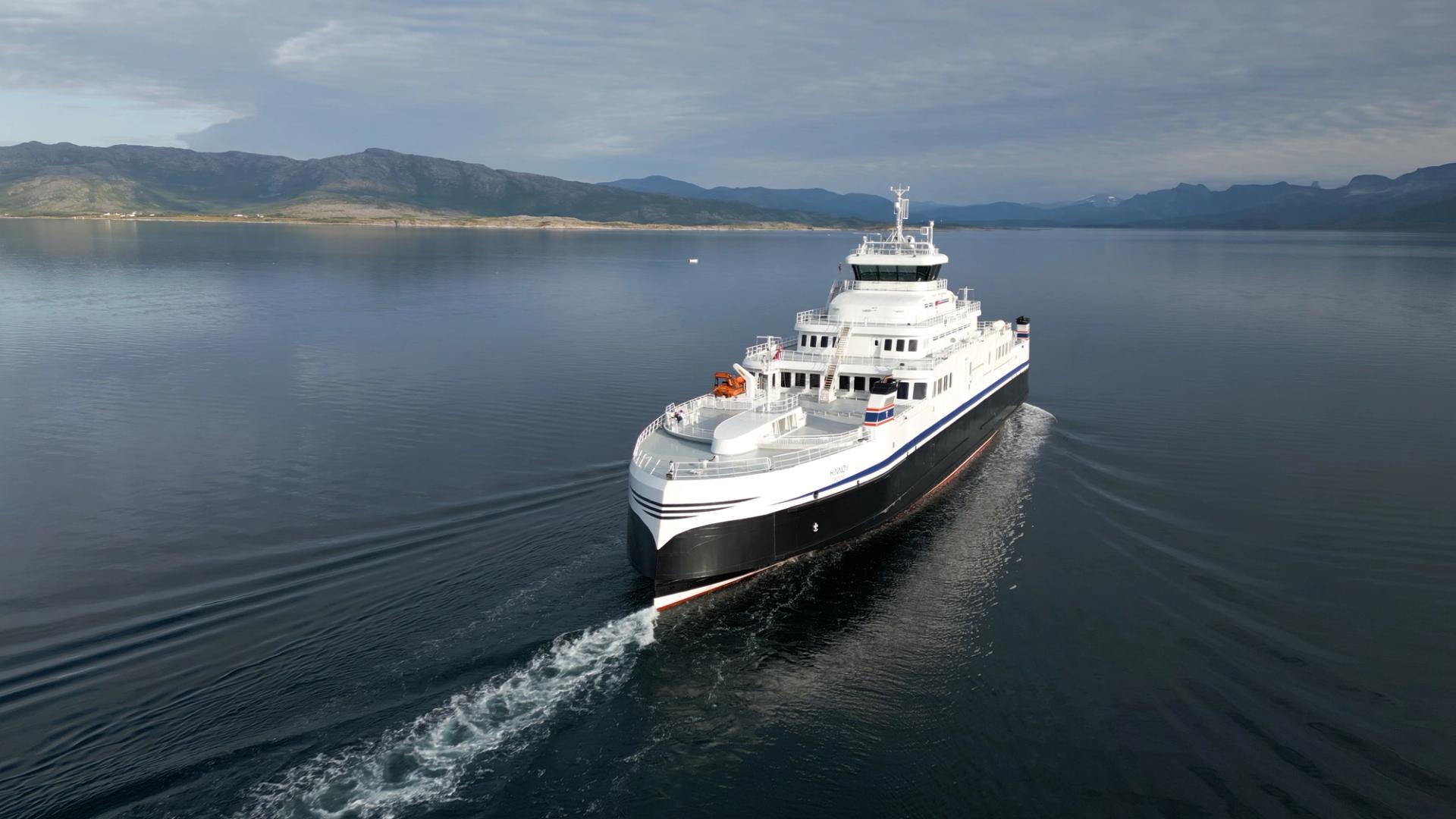
Four of Havila Voyages’ ships, which journey along the coast from Bergen to Kirkenes, sail on battery power and LNG. The large battery packs allow the ships to reduce their fuel emissions in sensitive areas such as fjords. Plug, a Norwegian maritime company which develops, builds and invests in onshore power supply and charging infrastructure for all types of vessels, has a dedicated supply for the coastal voyage in Bergen’s port. “Whenever Havila comes into the port, they are able to plug in,” Maria Boss, Chief Executive Officer of Plug says.
“We very much rely on the vessel owners to also be at the forefront. So, they have vessels that are ready to plug in and then [Plug] can provide the infrastructure,” she says. When a ship plugs in, it means the vessel’s generators can be turned off. They can then use power from shore to run the hotel on board, reducing noise and local greenhouse gas emissions. “This is just part of the solution,” Boss says.
“We very much rely on the vessel owners to also be at the forefront. So, they have vessels that are ready to plug in and then [Plug] can provide the infrastructure.”
Maria Boss
CEO, Plug
Through vigorous testing in heavy seas and harsh weather conditions coupled with its passion for sharing knowledge, Norway has become a solution testing ground. “We are open with what we know and what we want to develop further. It’s important to us that we can't be the only ones that drive new technology, as to drive development you need multiple competitors,” Sæther Bakken says.
Despite its steps forward, in collaborating and finding solutions which could answer the need to reduce the shipping industry’s greenhouse gas emissions, there is still some way to go. “The shipping industry is also very focused on the next generation,” Hjørungnes says as she discusses the solutions which aim to ensure Norway is working towards building a more sustainable and solid future for its next generation of maritime professionals.

