Build an emergency hospital in one day with NorLense shelters
Quick information
- Available

At a glance
- High pressure inflatable tent
- Easy to install, transport and maintain
- Provides crucial infrastructure for relief efforts
A growing number of crises related to war, pandemic, flooding, landslides, tsunamis, earthquakes, fires, drought and other disasters are increasing demand for inflatable shelters. “A lot of our tents are used as field hospitals, accommodations, kitchens, dining facilities and offices. Each tent can be inflated in 10–20 minutes, so it’s no problem to install, for example, a hospital in less than one day,” says Rune Fivelstad of NorLense Shelter Solutions.
CHALLENGE
Humanitarian aid workers are on the ground in the world’s most dire situations. In Gaza, Syria, Iran, Yemen, Sudan, Congo and many other countries, aid workers are providing relief to millions of people in need of assistance and millions of children who are facing acute malnutrition.
To do their jobs right, these workers need shelters that are highly mobile, durable and easy to install so they can serve the local people in need. Military, medical and rescue personnel have similar needs for flexible shelter solutions.
SOLUTION
High-pressure inflatable tents for temporary shelter in the field
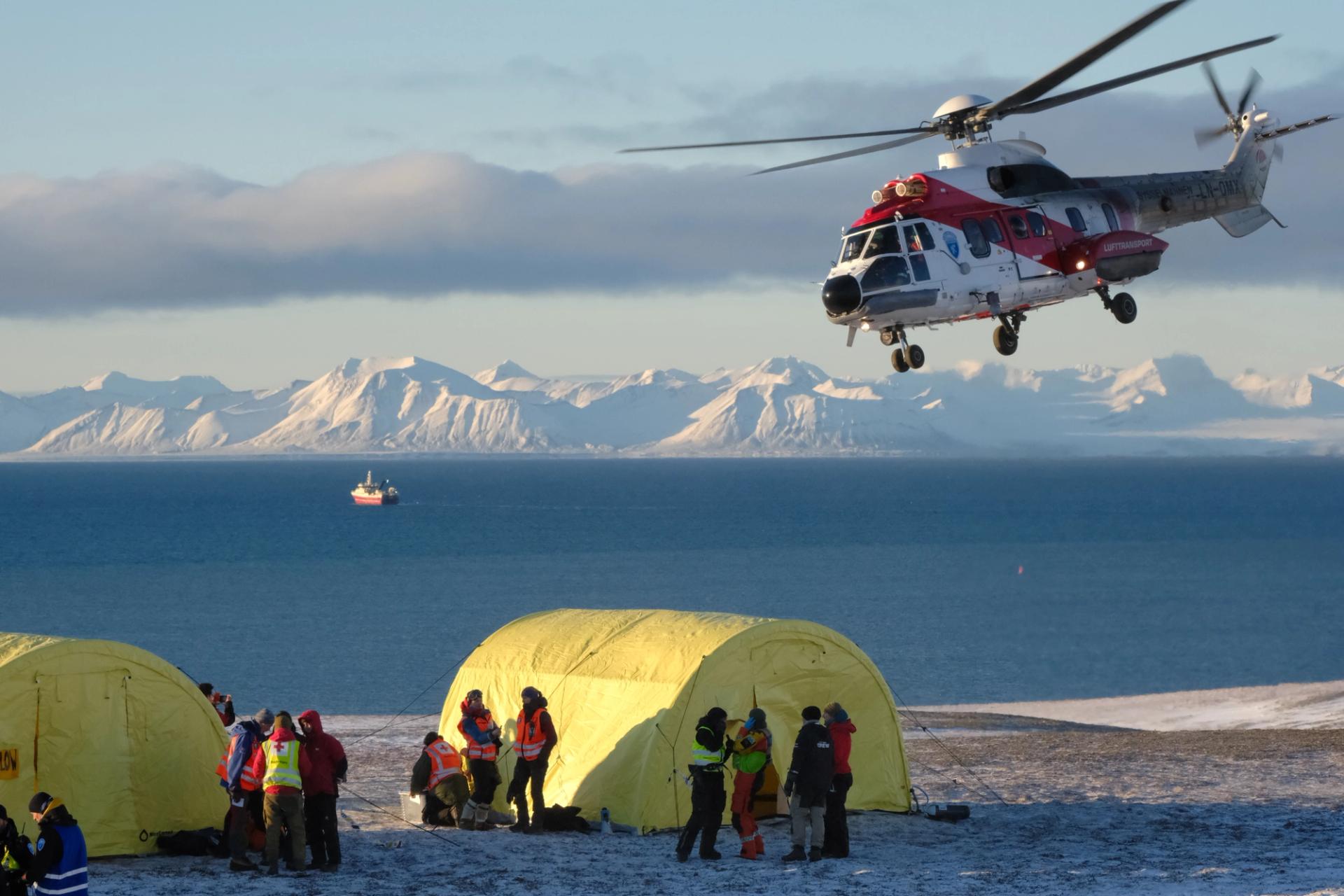
“You can get a shelter to people in a very short time. Our tents have even been used in the North Pole and Antarctica. In Svalbard, helicopters can drop the tents with air bottles to rapidly inflate the tents in remote locations. In Madagascar, a NorLense field hospital was transported on four-wheel-drive trucks to a remote location with extremely bad roads and almost no infrastructure. This gives medical personnel the shelter they need to treat people in distress,” says Fivelstad.
NorLense High Pressure Inflatable Tents are fully equipped shelters for use as living quarters, offices, medical facilities, command centres, kitchens, dining facilities, sanitary facilities, workshops and storage space. NorLense’s tent is a one-piece solution with no loose parts. Each tent has an integrated floor, roof, walls, doors and windows, as well as AC, cable and vent ducts.
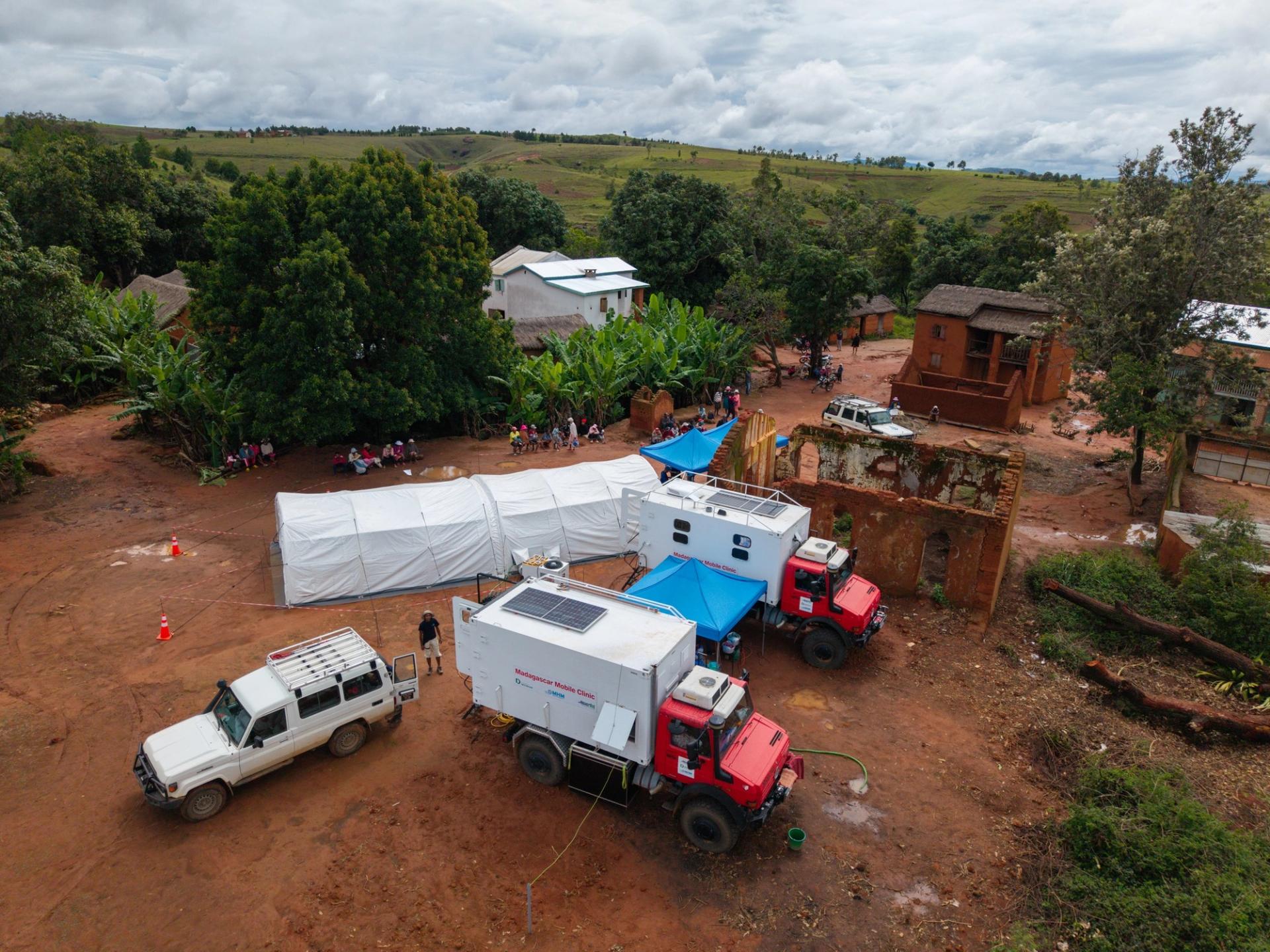
“Our tents improve the accommodation and working conditions for relief workers and soldiers in the field. They are very comfortable, and easy to install, transport and maintain,” says Fivelstad.
The tents are installed using compressors, enabling easy, automatic erection. One tent can be inflated in just 10–20 minutes, and an entire hospital can be set up in a day – or even in one hour as some armed forces require. The compressors can be powered by several different sources, such as electricity, fuel, brake air from vehicles or air bottles, depending on the field conditions.
In addition to extensive military use, NorLense tents are used in the UN’s “first flight kits” for first responders and as field hospitals by the Red Cross/Red Crescent.
BENEFITS
Small environmental footprint
NorLense tents have a small environmental footprint. The compressors are powered by low or no-emission sources, and the tents have a lifespan of 20 years or more. Moreover, all the materials used in the tents are recyclable.
The NorLense high-pressure technology makes the tents extremely durable. They can withstand temperatures from -45 °C to +70 °C. Unlike low-pressure tents, when inflated they will keep the pressure for typically 4–6 months or more and they do not collapse under extreme temperature changes. They can also handle harsh weather conditions with high snow load and wind speeds up to 145 km/h, as well as extreme heat.
MARKET POTENTIAL
Growing need for temporary shelters
The global temporary shelters market is expected to see strong growth from USD 42.97 billion in 2025 to USD 55.71 billion in 2030.
NorLense has been delivering shelter solutions worldwide for more than 25 years, making continual improvements over time based on customer feedback. The company has framework agreements with several NGOs and national authorities.
Established in Norway in 1975, NorLense also delivers an innovative solution for oil spill recovery.
Advancing the Sustainable Development Goals
 3. Good health and well-beingNorLense’s inflatable tents support the health and well-being of aid workers, emergency personnel, soldiers and those they serve.
 11. Sustainable cities and communitiesNorLense’s inflatable tents can be incorporated into an emergency response plan.
 12. Responsible consumption and productionNorLense’s inflatable tents are made of recyclable materials.